Guyana Lights Up Hinterland with Major Guyana solar power Initiative
The Government of Guyana has launched a transformative new solar power project designed to deliver clean, reliable energy to remote communities. This initiative is a cornerstone of the nation’s ambitious 2030 Low Carbon Development Strategy (LCDS) and is set to significantly improve the quality of life and foster economic opportunities in areas previously underserved by the electrical grid.
Funded by the Guyana REDD+ Investment Fund (GRIF), the project will see the installation of advanced solar panel systems across 33 hinterland communities, directly benefiting over 3,800 households. This move is a clear signal of the government’s commitment to sustainable development and energy equity. By deploying solar power, these communities will gain access to a stable electricity supply, powering homes, schools, and health centers, and opening doors for local businesses. This approach is similar to other successful government-led efforts, such as the commissioning of a solar mini-grid that is now providing sustainable power to Batavia village.
This project is a key component of a much larger national vision. Electrifying Guyana’s remote regions is a primary objective, creating new Guyana solar markets and driving a nationwide energy transition. The country is on a path to dramatically expand its renewable energy footprint, with projections showing a stunning 173% surge in solar capacity in the near future. This growth is detailed in comprehensive analyses like the Guyana Solar Panel Manufacturing Report, which outlines the blend of distributed generation and utility-scale projects shaping the country’s energy future.
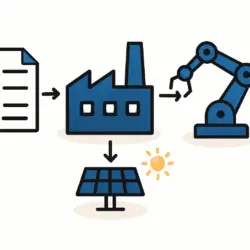
The installation of thousands of solar panels involves a complex supply chain and a detailed manufacturing process. Understanding the basics of manufacturing reveals how essential components, including specific raw materials, are transformed using sophisticated manufacturing machines. The overall investment reflects a significant financial commitment, aligning with the typical plant cost breakdown for such large-scale production.
Beyond the technological and infrastructural advancements, this initiative carries profound social and economic implications. The widespread deployment of solar technology creates an urgent need for skilled labor, from installation technicians to maintenance crews. This demand is expected to stimulate local economies and supports the goal of building a skilled solar manufacturing team in Guyana, ensuring that the benefits of this green transition are shared broadly across the population.
As Guyana continues to pursue a sustainable energy future, projects like this serve as powerful examples of how strategic investment in renewable technology can bring about meaningful change. By leveraging its solar potential, Guyana is not only reducing its carbon footprint but also building a more resilient and equitable society for all its citizens.
To learn more about the intricacies of entering the solar industry, from production to deployment, consider enrolling in our free e-course on solar panel manufacturing.