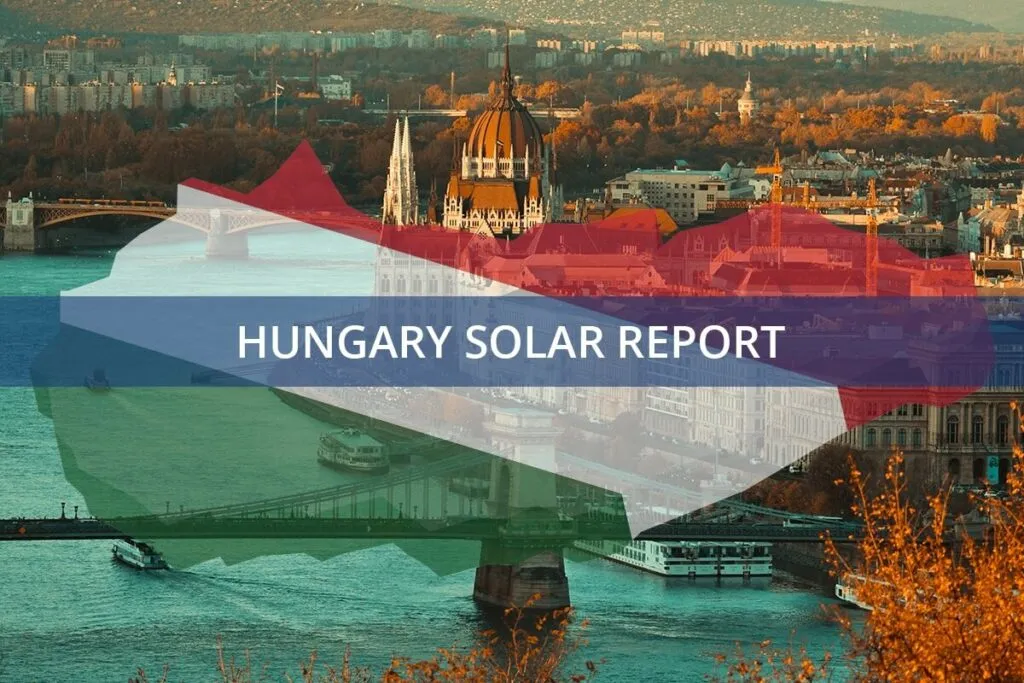
Amidst a broader regional shift towards renewable energy in Central and Eastern Europe (CEE), Hungary is making significant strides in its energy transition, particularly in the solar sector. Despite the challenges posed by ongoing geopolitical conflicts, Hungary’s government is doubling down on efforts to reduce energy dependence and enhance security, with solar energy playing a pivotal role.
Hungary’s Solar Boom and Energy Security with Hungary solar energy
Hungary’s solar sector is experiencing explosive growth. The country installed over 1.3 gigawatts (GW) of new solar capacity in 2022 alone, and by the end of 2023, its total installed solar capacity reached an impressive 7.5 GW, up from 6.1 GW the previous year. This rapid expansion underscores the government’s commitment to accelerating the energy transition.
However, this push for renewables is part of a complex dual strategy. While solar infrastructure is being deployed at a record pace, Hungary remains one of the EU’s most energy-dependent nations, still sourcing the majority of its oil and gas from Russia. This reliance creates significant vulnerabilities, as recent incidents at national refineries have highlighted. To counter this, Hungary is also pursuing ambitious international partnerships, such as the Azerbaijan–Hungary Green Energy Corridor, a project designed to transmit clean electricity from the Caspian region directly to Central Europe, further diversifying its energy portfolio.
Regional Solar Growth in Central and Eastern Europe with Hungary solar energy
The momentum is not limited to Hungary. Central and Eastern European countries are collectively making remarkable progress in renewable energy. Nations like Poland and Slovakia are leading the charge alongside Hungary, driven by national strategies to cut carbon emissions and achieve greater energy independence.
For instance, Poland installed a massive 4.9 GW of new photovoltaic (PV) capacity in 2022, bringing its total to 11 GW. Slovakia and Slovenia have also shown steady growth, adding 0.4 GW and 0.5 GW respectively. This regional boom is a testament to a shared vision for a greener future. The rapid scaling of PV capacity relies on a deep understanding of the basics of solar panel manufacturing and an efficient, streamlined solar panel manufacturing process to meet soaring demand.
Challenges and Opportunities in the Energy Transition for Hungary solar energy
The energy transition in CEE is not without its hurdles. The conflict in Ukraine has severely disrupted energy markets and supply chains, posing risks to the stability of energy systems across the region. This has highlighted the critical importance of securing the solar panel raw materials necessary for domestic production and reducing reliance on volatile global markets. Furthermore, Hungary’s deep-rooted dependency on Russian fossil fuels presents a unique and pressing challenge, creating a delicate balancing act between immediate energy needs and long-term sustainability goals.
Despite these obstacles, the transition offers immense opportunities. By investing in solar, countries can bolster their energy security, slash greenhouse gas emissions, and unlock new economic potential. The growth of the green energy sector is creating jobs and attracting investment, supported by EU and international funding aimed at modernizing energy infrastructure. For entrepreneurs and investors, understanding the solar panel manufacturing plant cost breakdown is the first step toward capitalizing on this green revolution.
The Future of Renewable Energy in Central and Eastern Europe with Hungary solar energy
The future of renewable energy in the region looks exceptionally bright. Solar energy is set to become an even more critical component of the CEE energy mix. As countries continue to invest in the necessary infrastructure, from advanced grids to the latest solar panel manufacturing machines, the region will see sustained growth in solar capacity.
Strategic international projects like the Green Energy Corridor signal a new era of cooperation, aiming to create resilient, interconnected clean energy networks. Furthermore, EU-level policies such as the Carbon Border Adjustment Mechanism (CBAM) will continue to incentivize cleaner production and shape energy trade, pushing the region further along its transition path.
In conclusion, Hungary’s rapid solar expansion, set against the backdrop of its legacy energy dependencies, offers a compelling case study in navigating the complexities of the modern energy transition. As Central and Eastern Europe continues to embrace renewables, the growth of solar energy will be instrumental in building a more secure, sustainable, and prosperous future.
If you’re inspired by this transition and want to learn more about the intricacies of the solar industry, you can start with our free e-course on solar panel manufacturing.