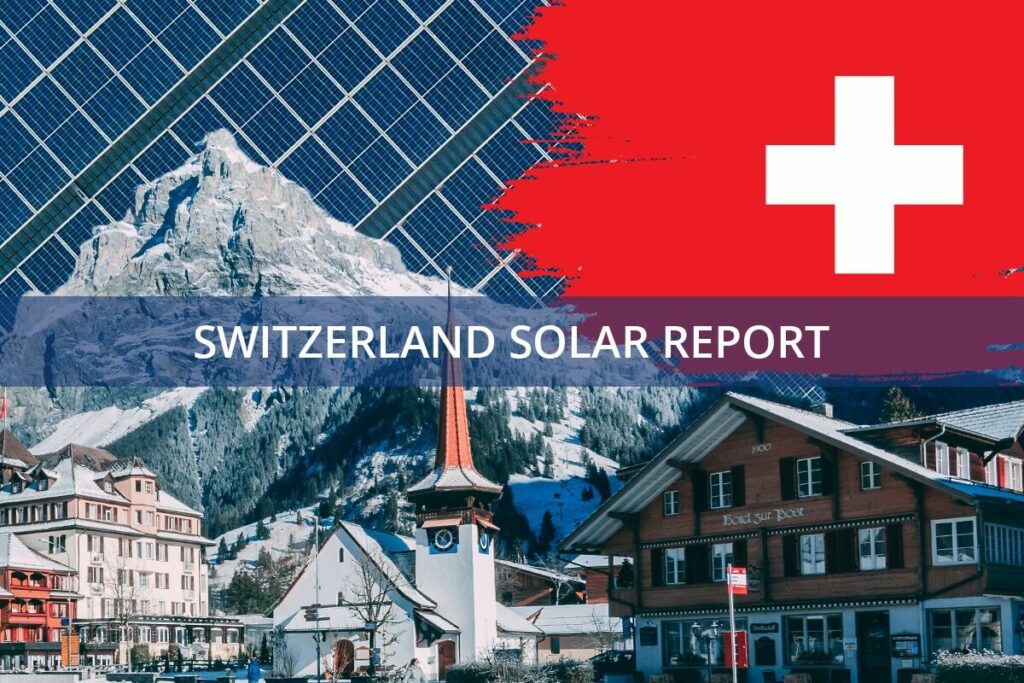
As Switzerland continues to champion renewable energy, setting unique transparency targets for 2025, innovative research is paving the way for the next generation of solar technology. A key player in this evolution is the PEARL project, a Horizon Europe initiative focused on developing flexible perovskite solar cells. This project aims to create solar cells that can be integrated into everyday items like curtains and backpacks, making solar energy more accessible and versatile. The study and development of these new cells see significant contributions from Swiss researchers, including Dr. Lidia Mussio at the University of Bern.
Flexible Solar Cells for Everyday Use with Flexible perovskite solar
The PEARL project is centered on using perovskite materials to produce highly flexible solar cells. Unlike the rigid, crystalline silicon panels common today, these cells can be seamlessly integrated into various surfaces, including textiles, packaging, and even curved architectural elements. This flexibility, enabled by production methods like roll-to-roll (R2R) printing, opens up a world of new possibilities for solar energy. Imagine curtains that power household devices or a backpack that charges your electronics on the go.
The ultimate goal is to create wearable and portable solar solutions that meet the demands of modern life. By embedding solar cells into everyday items, solar energy can shift from a static installation on a roof to a dynamic and practical part of our daily activities, powering our lives wherever we are.
Environmental and Economic Benefits of Flexible perovskite solar
Beyond their flexibility, perovskite solar cells offer significant environmental advantages. The solar panel raw materials required are more abundant and less energy-intensive to process than high-purity silicon. A key focus of the PEARL project is developing cells that are not only efficient but also easily recyclable.
Improving the recyclability of solar cells reduces waste and fosters a more sustainable solar energy industry from creation to disposal. The PEARL project’s work on safe and efficient recycling methods for perovskite cells could set a new industry standard.
Economically, the project is developing solar cells that are significantly more cost-effective to produce. This is essential for making solar energy more affordable and accessible. Advancements in the solar panel manufacturing process, which simplify production and lower energy requirements, could reduce the overall cost of solar technology. This makes it a more viable option for more people and businesses, helping to overcome some of the critical challenges facing the solar market.
Overcoming Challenges in Flexible perovskite solar
The PEARL project is also tackling the primary hurdle for perovskite solar cells: durability. While these cells demonstrate high efficiency in labs, they can be sensitive to environmental factors like moisture and heat. The research team is focused on improving the stability of the cells to ensure they can withstand real-world conditions.
By using novel materials and techniques, such as incorporating carbon electrodes, the project aims to enhance the durability of perovskite solar cells for reliable, long-term use. This is crucial for their viability in both consumer products and large-scale solar installations. The rapid progress in the field is promising, with related research showing a perovskite-based organic solar cell achieved 19.4% PCE, demonstrating the technology’s immense potential.
A Brighter Future for Flexible perovskite solar Energy
The PEARL project represents a major leap forward in solar technology. By focusing on flexible, recyclable, and cost-effective perovskite solar cells, the project is contributing to a more sustainable and accessible energy future. This aligns perfectly with Switzerland’s broader energy strategy, which was recently bolstered by a new law promoting solar PV installations.
The innovations from this project could transform how we use solar energy. As solar cells become more integrated into common items, the public’s appetite for decentralized energy, already evident in the growth of home solar storage in Switzerland, will be further satisfied.
European research initiatives like PEARL, with strong Swiss participation, are leading the way in developing the next generation of solar technology. These advancements will not only benefit the environment but also make solar energy more practical and affordable for people around the world.
Understanding these advancements is key to appreciating the future of renewable energy. To learn more about the fundamentals of solar technology, from production to installation, consider exploring our free e-course.