From Oil Fields to Solar Farms: Boosting Iran solar capacity
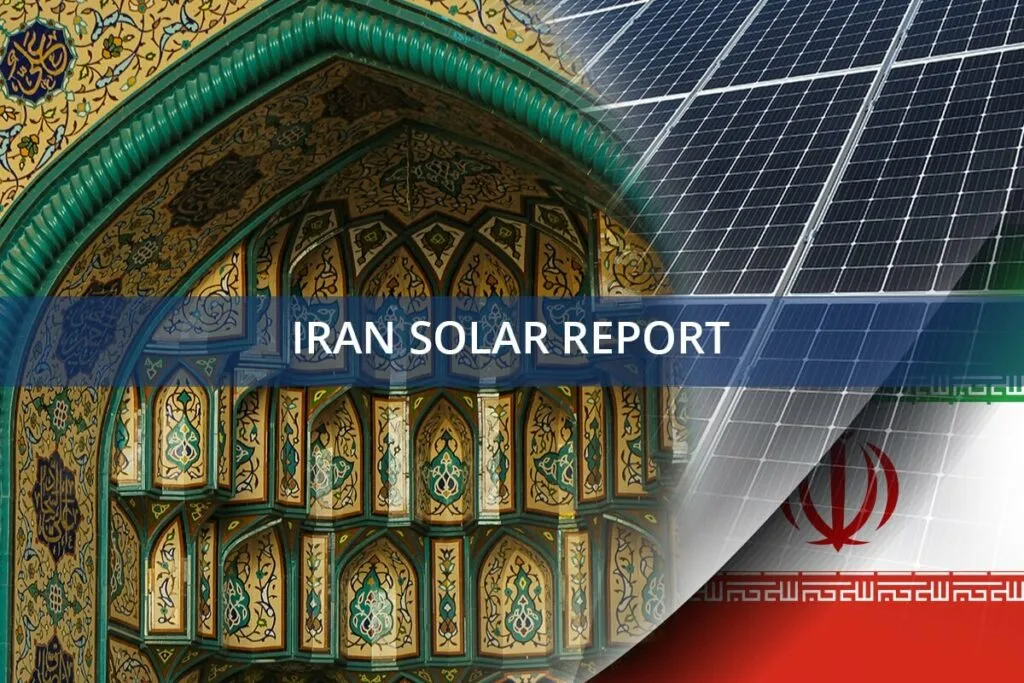
In a world increasingly focused on the transition to renewable energy, a significant development is taking place in a nation historically defined by its vast oil and gas reserves. Iran has officially issued permits for the construction of 29 new solar farms, a clear signal of its commitment to diversifying its energy portfolio. This move is a cornerstone of a much larger national strategy and has intriguing implications not just for the country’s energy security, but for its economy as well. For homeowners and tenants in Germany, who are well-acquainted with the Energiewende (energy transition), this development in a major fossil fuel-producing nation is a noteworthy indicator of the global momentum behind solar power.
The 10 GW Goal: A New Chapter for Iran solar capacity
The approval of these 29 solar farms is not an isolated event. It is a tangible step toward Iran’s ambitious goal of adding 10,000 megawatts (10 GW) of renewable energy capacity to its national grid. For years, the country has grappled with electricity shortages, particularly during peak consumption in summer and winter. By turning to its abundant solar resources, the government aims to alleviate pressure on its conventional power plants, reduce domestic reliance on fossil fuels, and improve overall grid stability.
This strategic pivot is driven by a desire to free up more of its valuable oil and gas for the export market. By satisfying more of its domestic energy needs with renewables, Iran can enhance its position as a global energy supplier. This initiative also heavily relies on attracting private sector investment, creating new opportunities within the country’s energy sector.
Economic Ripples and Iran solar capacity Stabilization
Beyond the grid, this renewable energy drive has significant economic underpinnings. The Iranian government has been encouraging exporters to use the Nima system, an integrated foreign exchange platform, to manage their earnings. By boosting energy exports—made possible by substituting domestic fossil fuel consumption with solar power—the country aims to increase the flow of foreign currency into this system. This strategy is designed to create a more stable and predictable currency market, a critical factor for economic health.
The Building Blocks for Expanding Iran solar capacity
Constructing 29 solar farms is a monumental undertaking that requires a deep understanding of photovoltaic technology and logistics. The journey from a government permit to a fully operational solar plant involves intricate steps and substantial investment. It starts with the basics of solar panel manufacturing, which lays the foundation for producing the core components.
The complete solar panel manufacturing process is a highly technical sequence, requiring specialized solar panel manufacturing machines to convert raw materials into efficient energy-producing modules. Securing a consistent supply chain for essential solar panel raw materials, such as silicon, silver, and glass, is crucial for both cost-effectiveness and project timelines. For investors and policymakers, understanding the solar panel manufacturing plant cost breakdown is essential for planning and executing a national strategy of this scale.
A Regional Trend with Global Implications for Iran solar capacity
Iran’s solar initiative is part of a broader regional shift. As nations across the Middle East and Central Asia recognize the economic and environmental benefits of renewables, they are increasingly looking to harness their own natural resources. This push for energy diversification is a growing trend, with neighboring countries also exploring their potential. For instance, a nascent market for Afghanistan solar panel manufacturing is emerging, highlighting a wider movement toward sustainable energy in the region.
For observers in Germany, this global expansion of solar energy is significant. While Germany has been a pioneer, the adoption of renewables by major fossil fuel nations is essential for achieving global climate targets. It signals a maturing global market, which can lead to further innovation, more resilient supply chains, and potentially lower costs for solar technology worldwide.
As Iran takes these decisive steps toward a cleaner energy future, it underscores a universal truth: the transition to renewable energy is no longer a niche interest but a global imperative.
Whether you’re tracking international energy policies or considering a solar installation for your own home, a solid understanding of the technology is invaluable. To deepen your knowledge of how solar power works from the ground up, explore our comprehensive free e-course.