Iran’s Solar Surge: Boosting Iran solar capacity to Add 4,000 MW
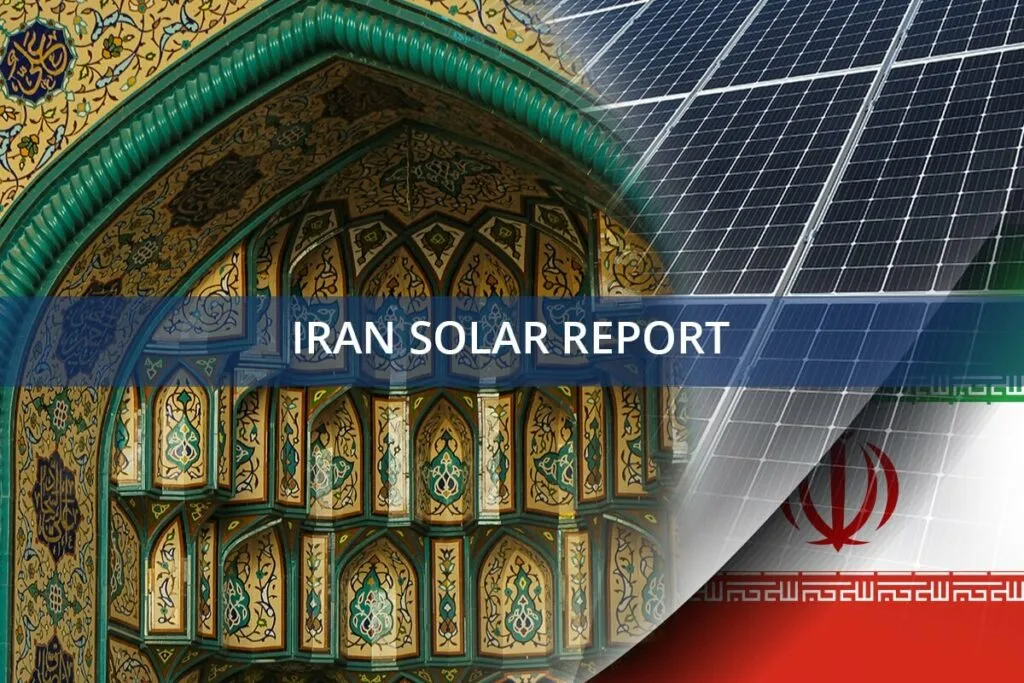
Iran is making a significant stride in its renewable energy transition, with plans to establish 90 new solar farms. This ambitious initiative aims to add 4,000 megawatts (MW) of solar capacity by March 20, 2026, bolstering the nation’s green energy infrastructure. The Iranian Energy Ministry has announced that over 35 percent of the construction for these projects is already complete. This development is a key part of Iran’s broader strategy to cut fossil fuel dependency and is being pursued with a strong focus on utilizing domestic capabilities and the necessary Raw Materials. For more background, you can explore the Iran Solar News Archives.
Expanding Solar Infrastructure with Iran solar capacity
The 90 new solar farms will be strategically distributed across 23 provinces, a move set to increase Iran’s total solar power capacity from the current 1,000 MW to 5,000 MW by early 2026. These farms are projected to generate approximately 8,000 gigawatt-hours (GWh) of clean electricity annually, helping to meet the nation’s growing energy demands. The country’s high solar irradiance and vast arid regions make it an ideal location for such projects, as detailed in the Iran Solar Panel Manufacturing Report | Market Analysis ….
The Energy Ministry is implementing a phased approach to this expansion. It previously planned to commission 21 new solar farms with a total capacity of 1,000 MW by the end of March 2024. This methodical rollout highlights Iran’s strategic commitment to reducing its reliance on fossil fuels. Understanding the investment required for such large-scale projects can be complex, involving factors detailed in a typical Plant Cost Breakdown.
The Renewable Energy and Energy Efficiency Organization of Iran (SATBA) has underscored the priority of this construction, reporting that the country’s renewable generation capacity surpassed 1,000 MW last July, with solar energy making up 51 percent of that total.
Goals and Benefits of Renewable Energy for Iran solar capacity
The Iranian government has set even more ambitious long-term goals to increase its renewable energy capacity. The current plans include adding 5,000 MW of solar power, 2,500 MW of wind power, 500 MW of biomass power, and 500 MW of hydropower over the next four years. Once these projects are completed, Iran’s total renewable capacity is expected to exceed 9,000 MW. This strategic shift is rooted in understanding the Basics of Solar Panel Manufacturing and its potential to secure the nation’s energy future.
The environmental and economic benefits are substantial. This expansion is projected to reduce annual fossil fuel consumption by 5.4 billion cubic meters and cut water usage by 1.7 billion liters. Furthermore, it is expected to decrease greenhouse gas emissions by 12 million tons annually, aligning with global efforts to combat climate change.
These initiatives are also drawing international partnerships. A recently signed memorandum of understanding between Iran and China focuses on cooperation in renewable energy and energy efficiency, aiming to enhance Iran’s green energy sector and promote sustainable development.
Supporting Local Communities with Iran solar capacity
Beyond large-scale utility projects, Iran is also investing in smaller, decentralized solar initiatives to empower local communities. The Energy Ministry has a program to install 550,000 rooftop solar systems in rural and underprivileged areas, with 100,000 systems targeted for completion by March 2024. These installations provide a reliable source of electricity for communities that have historically depended on fossil fuels.
To date, the Ministry has commissioned 31,000 rooftop systems and plans to install another 19,000 by the end of the current Iranian calendar year. This initiative not only delivers clean energy but also stimulates local economies by creating jobs. The entire Manufacturing Process from panel production to installation contributes to this economic activity.
Iran’s comprehensive approach to renewable energy development demonstrates a firm commitment to a sustainable future. By investing in both massive solar farms and community-based rooftop systems, the nation is building a resilient renewable energy infrastructure that will benefit its environment, economy, and people for years to come.
To learn more about the intricacies of solar energy production, consider exploring this Free E-Course.