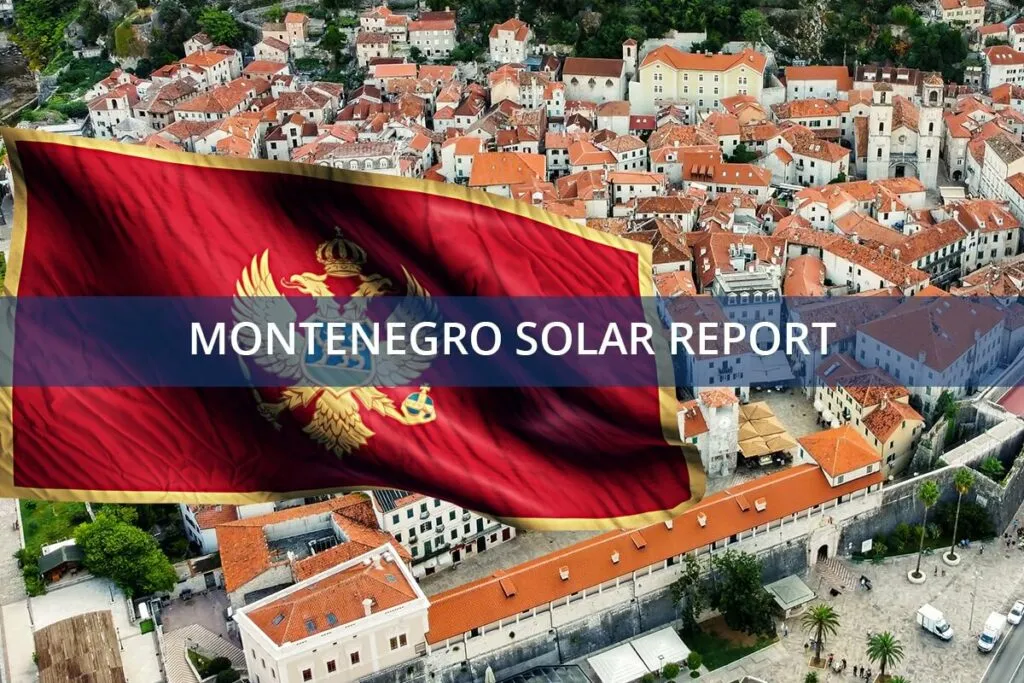
Montenegro has given the green light for the preparatory work on the 42 MW Krupac solar plant, a significant project located near the Krupac hydropower dam in Niksic. Following a proposal by the Ministry of Capital Investments, the state-owned utility Elektroprivreda Crne Gore (EPCG) will develop the plant, which will cover 118.42 hectares and require the construction of approximately 2 kilometers of access roads. This initiative is a major step forward in enhancing the country’s renewable energy infrastructure.
Krupac Solar Plant: Boosting Renewable Energy Goals
The Krupac solar plant is a key element of Montenegro’s renewable energy strategy. By situating the solar farm near the Krupac hydropower dam, the project can cleverly utilize existing grid infrastructure. This strategic placement simplifies the integration of solar energy into the national grid, helping to reduce reliance on fossil fuels and lower greenhouse gas emissions. For those interested in the foundational technology, understanding the basics of solar panel manufacturing provides insight into how these large-scale projects are realized.
This hybrid approach, combining consistent hydropower with intermittent solar energy, is a smart solution to improve the overall efficiency and reliability of Montenegro’s energy system. The 42 MW solar plant is projected to generate approximately 60,000 MWh of clean energy annually, enough to power around 15,000 households. This substantial output will be crucial in helping Montenegro meet its renewable energy targets and its obligations under the Energy Community Treaty, which mandates a 33% share of renewable energy in the country’s final energy consumption.
Krupac Solar Plant: Economic and Environmental Benefits
Beyond its significant environmental impact, the Krupac solar plant is set to deliver tangible economic benefits. The project will create jobs during its construction and long-term operation phases, providing valuable opportunities for local workers and businesses in everything from site preparation to ongoing maintenance. The development also stimulates the local supply chain, which relies on a variety of solar panel raw materials. Furthermore, by generating domestic clean energy, the plant will reduce Montenegro’s dependence on imported energy, enhancing national energy security and insulating the economy from volatile global energy markets.
This project is expected to act as a catalyst, attracting further investment into Montenegro’s renewable energy sector and driving economic growth. A clear understanding of the solar panel manufacturing plant cost breakdown shows how such investments are structured and why they are attractive. The Krupac solar plant will make a major contribution to diversifying the country’s energy mix and reducing its carbon footprint, aligning perfectly with its long-term national energy strategy.
Krupac Solar Plant: A Key Step Toward Carbon Neutrality
The Krupac solar plant is part of Montenegro’s broader ambition to transition to a low-carbon economy. This project is a critical component of a larger national strategy aiming to increase the country’s total power output by an impressive 58% by 2026. This goal will be achieved through a mix of initiatives, including new renewable sources like the Krupac plant and the modernization of existing assets like the Pljevlja thermal power plant, showcasing a pragmatic approach to balancing decarbonization with energy security.
The complex solar panel manufacturing process, involving sophisticated solar panel manufacturing machines, will culminate in the plant’s expected completion and operation by 2026. This will mark a significant milestone in Montenegro’s renewable energy journey. Once operational, the plant will play a crucial role in helping Montenegro achieve its renewable energy targets and substantially reduce its carbon footprint.
If you are inspired by large-scale projects like this and want to deepen your understanding of the solar industry, consider enrolling in our free e-course to learn more.