Iran renewable energy: Capacity Surpasses 2.7 GW Milestone
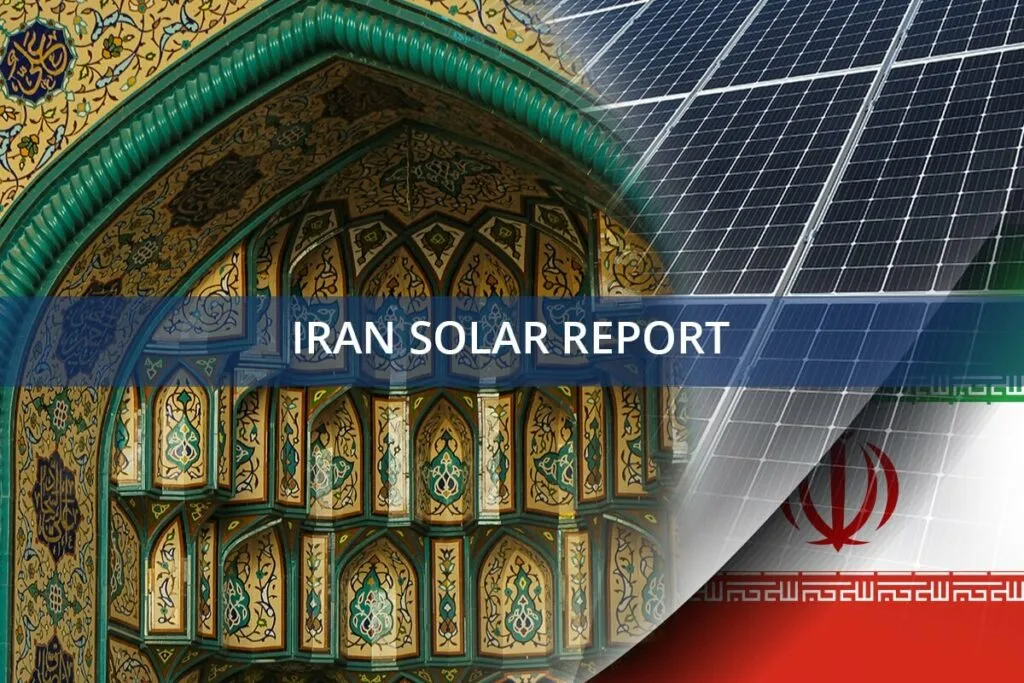
For homeowners and tenants in Germany, shifts in the global energy landscape can seem distant, yet they often have a direct impact on energy prices and security. In a significant development, Iran has substantially increased its renewable power capacity, achieving a critical milestone of over 2,700 megawatts (MW), or 2.7 gigawatts (GW), as of late 2025. This move signals a strategic pivot in a major energy-producing nation, contributing to the diversification of the global energy mix.
This expansion is a clear indicator of the country’s growing commitment to clean energy. The updated capacity figures show a significant leap forward, with solar power being a primary driver of this growth. Government officials have underscored the strategic importance of accelerating the construction of solar power plants, with a recent example being the inauguration of a 250 MW solar facility. This focus aligns with a broader trend seen in the Global Solar Report, where nations are increasingly harnessing solar potential to meet their energy needs.
The renewable portfolio is diverse, comprising significant contributions from solar power installations, wind power capacity, and additional energy generated from hydropower and biomass sources. This multi-faceted approach is crucial for building a resilient and stable green energy grid. The push for renewables is not happening in isolation; neighboring countries like Afghanistan are also developing ambitious solar energy plans. This regional trend is mirrored across the Middle East and Caucasus, with nations from Bahrain to Armenia also making notable investments in solar infrastructure.
Such rapid development in renewable capacity naturally brings the manufacturing sector into focus. Scaling up to this level requires a deep understanding of the basics of solar panel manufacturing and the entire solar panel manufacturing process. Success depends on securing a steady supply of solar panel raw materials and deploying efficient solar panel manufacturing machines. For investors and policymakers, a detailed solar panel manufacturing plant cost breakdown is essential for planning and execution.
Interestingly, Iran’s clean energy ambitions are not limited to renewables. The country is also advancing its nuclear power capabilities through a new agreement to build eight additional nuclear power plants, aiming for an eventual nuclear capacity of 20 GW. This parallel path indicates a comprehensive strategy to reduce reliance on fossil fuels and enhance energy independence.
While Iran’s internal energy policy is complex, its growing investment in renewables is a positive sign for the global energy transition. For consumers in Germany, a more diversified global energy supply, with greater contributions from sustainable sources, can lead to increased market stability in the long run.
To learn more about the intricacies of bringing solar power to the grid, from production to installation, consider exploring our free e-course on solar panel manufacturing.