Thousand Advanced Centrifuges
A New Chapter: The Complex Narrative of Iran solar energy
The term “advanced centrifuges” often signals a significant development in a nation’s technological and geopolitical standing. These devices, critical for enriching uranium, are at the heart of both nuclear energy programs and potential weapons development. Recent reports from the International Atomic Energy Agency (IAEA) indicate that Iran is expanding its work with these sophisticated machines, installing new cascades in hardened, underground facilities. For residents in Germany, who are keenly aware of the link between global politics and domestic energy prices, such developments in a key energy-producing region warrant close attention.
Expansion Amidst International Scrutiny of Iran solar energy
According to IAEA findings, Iran has begun installing additional advanced centrifuges, furthering its uranium enrichment capabilities. The decision to place this new equipment in underground sites is particularly noteworthy, as it offers greater protection against potential military strikes and complicates international monitoring efforts.
This move is part of a long and often contentious history. The Iranian nuclear program has been a subject of international concern for decades, famously targeted by sophisticated cyberweapons like Stuxnet, which was designed to physically destroy centrifuges. Despite such pressures, Tehran maintains its stance, with officials like Iranian Vice President Mohammad Eslami asserting that the program is transparent and that the country has no intention of abandoning its nuclear ambitions. This defiance in the face of international pressure and historical sabotage efforts creates a tense and unpredictable geopolitical environment.
The Geopolitical Impact on German Households and Iran solar energy
For homeowners and tenants in Germany, events in the Middle East can feel distant, but their economic impact is often direct. Germany’s energy economy is deeply integrated with global markets. Geopolitical instability involving a major energy player like Iran can introduce volatility into oil and gas prices. Sanctions, diplomatic crises, or the threat of conflict can disrupt supply chains and drive up costs, which ultimately translate into higher heating and electricity bills for consumers. Therefore, the expansion of Iran’s nuclear program is not just a matter of international security but also a factor that could influence household budgets across Europe.
A Dual-Track Energy Strategy: Nuclear and Iran solar energy
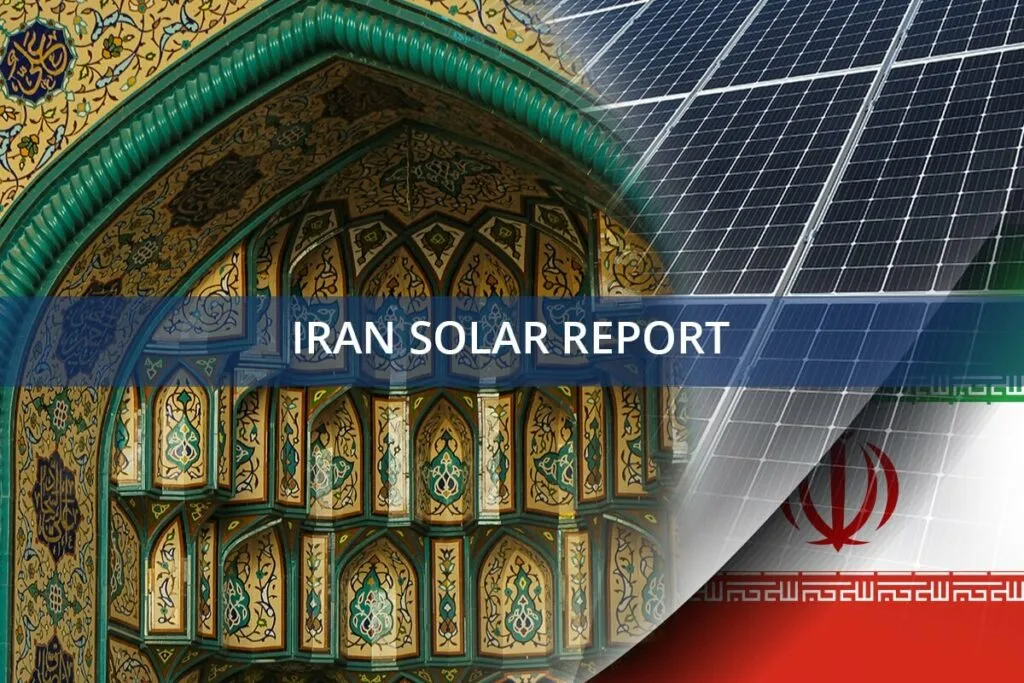
While Iran’s nuclear program captures global headlines, the country is simultaneously pursuing a different energy path. In a notable move towards diversification, President Masoud Pezeshkian announced the installation of over 1,000 megawatts of solar panels. This investment in renewable energy presents a fascinating contrast to its nuclear activities.
Developing a solar industry involves a completely different set of challenges and technologies. The intricate manufacturing process for photovoltaic panels is a testament to modern industrial capability. Understanding the basics of manufacturing reveals a complex supply chain, from securing essential raw materials to operating highly specialized manufacturing machines. A detailed plant cost breakdown further illustrates the significant capital investment required to build a domestic renewable energy sector. This parallel push into solar power highlights a broader national strategy aimed at achieving energy independence through a mix of controversial and sustainable sources.
As Germany continues its own energy transition (Energiewende) away from nuclear power and towards renewables, observing how other nations navigate their energy futures provides valuable perspective. The choices made in countries like Iran can create both geopolitical risks and new opportunities in the global push for sustainable energy.
If you are interested in learning more about the technologies driving the renewable energy revolution, consider exploring the world of solar panel production. You can begin your journey with our free e-course on the topic.