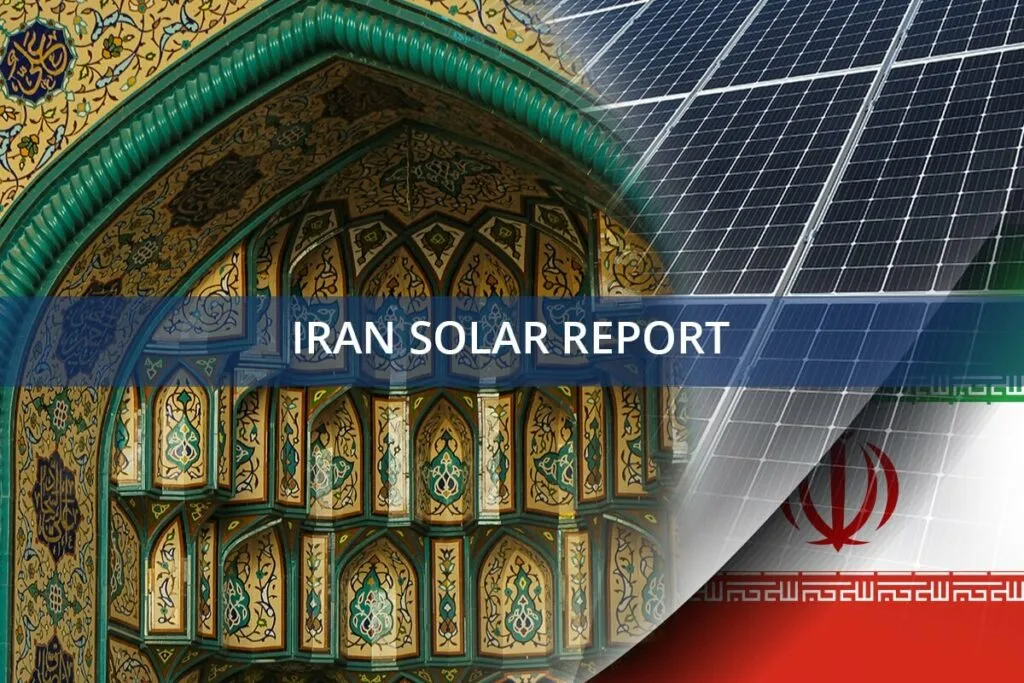
Iran has recently inaugurated multiple solar power plants with a total capacity of 250 MW across various provinces, a significant milestone in the country’s renewable energy expansion. This development, part of a broader initiative to boost Iran’s solar capacity and diversify its energy mix, was made even more impactful by the simultaneous launch of construction for an additional 450 MW of solar projects.
New Solar Power Plants Inaugurated in Iran solar power
Iran has made a significant stride in its renewable energy journey by inaugurating several solar power plants, adding a crucial 250 MW of clean energy capacity to its national grid. The Ministry of Energy announced that the inauguration ceremony not only marked the completion of these projects but also served as the starting point for developing a further 450 MW of solar capacity, signaling a clear acceleration of the country’s green agenda.
The new solar power plants are strategically located in provinces known for their high solar irradiance, including Kerman, Yazd, Tehran, Fars, Qom, and Razavi Khorasan. These plants were officially commissioned on Tuesday, October 29, 2024. This development is a key part of Iran’s broader strategy to increase its solar energy capacity, with an ambitious goal of reaching 10,000 MW by the end of the current administration’s term.
Iran’s Growing Solar Capacity for Iran solar power
Iran has been actively expanding its solar power infrastructure in recent years. As of the end of the previous Iranian calendar year, which concluded on March 19, 2024, the country’s total installed solar capacity stood at 1,000 MW. This figure is set for exponential growth, with projections indicating that Iran’s solar capacity could reach 5,000 MW by March 9, 2025.
The addition of 250 MW from the newly inaugurated plants is a major contribution to this growing capacity. These projects are part of a larger effort to diversify Iran’s energy mix, reduce domestic reliance on fossil fuels, and free up valuable hydrocarbon resources for export. Solar power is a key component in achieving these goals, and understanding the basics of solar panel manufacturing is essential to appreciating the scale of this industrial shift. The government has been actively supporting the development of solar infrastructure across the country, turning its sun-rich deserts into hubs of clean energy production.
Investments and Future Plans for Iran solar power
Iran has successfully attracted substantial investment in its solar energy sector. According to Dr. Farrokh Barati, the head of Iran’s Renewable Energy and Energy Efficiency Organization (SATBA), the country has received around $1 billion in investment for its solar projects. This influx of capital is crucial for accelerating the development of solar power plants and achieving the government’s ambitious targets. This funding supports the entire solar panel manufacturing process, from securing solar panel raw materials to deploying advanced solar panel manufacturing machines.
Dr. Barati has emphasized that the government is committed to reaching a solar capacity of 10,000 MW by the end of the current administration’s term. This commitment is backed by high-level political support, with Iran’s President pledging to remove obstacles that could hinder the progress of new solar projects. This target reflects Iran’s long-term vision for a more sustainable and environmentally friendly energy system.
The inauguration of these new solar power plants is a clear indication of Iran’s dedication to renewable energy. With continued investment and government support, Iran is well on its way to becoming a major player in the global solar energy market. For a more detailed analysis of the market, you can explore the complete Iran Solar Panel Manufacturing Report. The country’s efforts to expand its solar capacity not only contribute to its energy security but also align with global trends towards cleaner energy sources.
If you are interested in learning more about the intricacies of setting up a solar manufacturing facility, from initial investment to final production, consider enrolling in our free e-course to gain expert insights.