New Buildings and the Israel solar panel law
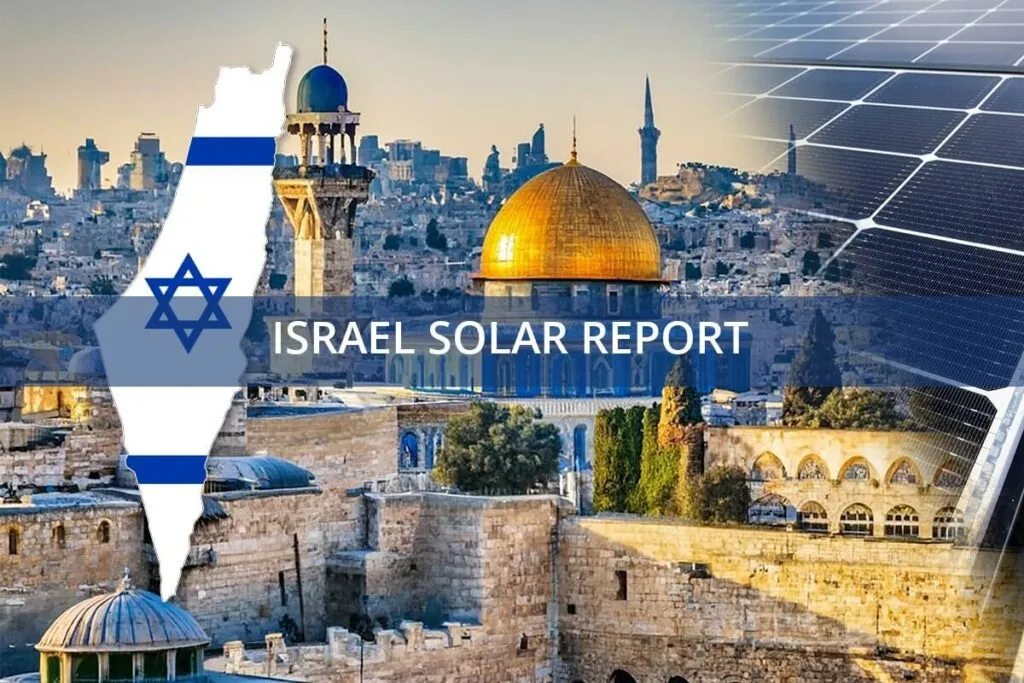
In a bold move to harness its abundant sunshine and accelerate its transition to clean energy, Israel has enacted a new law requiring most new buildings to incorporate solar panels. This landmark initiative is a critical component of the country’s broader strategy to reduce greenhouse gas emissions and build a more sustainable energy future.
A Landmark Legislation and the Israel solar panel law
The Knesset recently passed the new legislation with an overwhelming majority, marking a pivotal moment for Israel’s environmental policy. This law is a vital step toward achieving the government’s ambitious goal of generating 30% of the country’s energy from renewable sources by 2030, a significant leap from the current 11%. This policy is expected to dramatically reshape the Israel Solar Panel Manufacturing | Market Insights Report landscape by creating consistent, long-term demand.
The mandate specifies that all new non-residential buildings must be equipped with solar panels. The law also extends to new residential buildings, requiring them to be prepared for future solar panel installation. This forward-thinking approach ensures that the nation’s infrastructure grows in alignment with its green energy goals.
Impact on Energy Costs and the Economy of the Israel solar panel law
Minister of Energy and Infrastructure, Israel Katz, emphasized the dual benefits of the law, highlighting its positive impact on both the environment and the economy. He noted that the widespread adoption of solar power will help stabilize electricity costs for consumers.
“The law for installing solar panels on new buildings, which I led into legislation, will help maintain stable electricity prices, reduce energy costs, and contribute to a greener and cleaner future for the benefit of the citizens of Israel,” Katz stated.
This top-down approach not only stimulates demand but also reinforces the entire supply chain, from the sourcing of solar panel raw materials to the final installation. By reducing the long-term need for new conventional power plants, the law is expected to lower costs for both the Israel Electric Corporation and private producers, creating a more efficient and resilient energy grid. A solid understanding of the basics of solar panel manufacturing will be crucial for local companies looking to meet this new demand.
Expanding Solar Energy Initiatives with Israel solar panel law
This new law builds upon Israel’s long history as a leader in solar technology. The nation is already known for its widespread use of solar water heaters, with nearly 90% of homes utilizing them. However, the country has remained heavily reliant on fossil fuels for electricity production. This legislation aims to change that by making solar PV a standard feature of the built environment.
The mandate will also likely spur innovation in specialized applications, tapping into Israel’s untapped solar market for Agri-PV & desert modules. Furthermore, as projects like those by Enlight Renewable Energy boost Israel’s solar storage grid, this mandate ensures a steady supply of new, distributed generation sources. Of course, all modules used in these projects must meet stringent local standards, making the SII Solar Certification Guide essential reading for any manufacturer or importer looking to enter the market.
A Step Toward a Greener Future with Israel solar panel law
This legislation does more than just put panels on roofs; it sends a clear signal to investors and manufacturers about the future of energy in Israel. It establishes a predictable market that encourages investment in the local solar industry. For those considering entering the market, understanding the unique considerations of planning a solar factory in Israel is now more critical than ever.
The complete solar panel manufacturing process is a complex undertaking, involving sophisticated solar panel manufacturing machines and a detailed understanding of the solar panel manufacturing plant cost breakdown. By mandating solar installations, Israel is fostering an ecosystem that can support this advanced manufacturing and contribute to global efforts to combat climate change.
Israel’s solar mandate is a powerful example of how decisive government policy can drive the transition to a cleaner, more sustainable energy grid. As the country implements this law, it solidifies its position as a leader in the global clean energy movement.
To dive deeper into the world of solar production and understand what it takes to build a successful solar business, check out our free e-course on solar panel manufacturing.