The 2025 Atlantic Hurricane Season served as a stark reminder of the climate challenges facing Jamaica. The arrival of Hurricane Melissa, a powerful Category 5 storm, tested the nation’s infrastructure and resolve, catalyzing a significant adaptation within its burgeoning solar energy sector. More than just a plan, the response to the storm has reshaped the island’s approach to energy security, moving towards a more resilient, decentralized model.
Lessons from Hurricane Melissa: Strengthening Jamaica solar hurricane resilience
The initial goal of the Resilient and Sustainable Energy Sector (RASES) initiative—to upgrade solar infrastructure to withstand extreme weather—was put to the ultimate test. The aftermath of Hurricane Melissa revealed a critical vulnerability: even when solar farms survive a storm, their contribution is nullified if the central grid is unstable or damaged. This forces a reliance on more expensive fossil fuels, highlighting the need for robust, independent energy solutions.
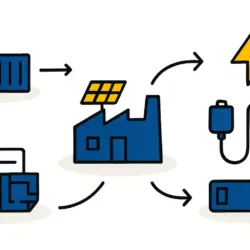
Strengthening the physical assets remains paramount. This involves reinforcing solar panels, inverters, and mounting systems. Building this resilience starts at the foundational level, requiring a deep understanding of the entire solar panel manufacturing process to integrate durability at every stage. The selection of advanced solar panel raw materials capable of withstanding high winds and debris is no longer an option but a necessity for the region.
The Rise of Distributed Power: Storage and Jamaica solar hurricane resilience
A key lesson from 2025 is that grid resilience is not enough; energy independence at a local level is crucial. In the wake of Hurricane Melissa, which left approximately 45% of residents in the hard-hit St. James Parish without power, the most effective adaptations came from decentralized solutions.
Organizations like the Footprint Project demonstrated the power of this approach by deploying 150 portable solar and battery power stations. These units, combined with mobile microgrid equipment, provided immediate, life-saving electricity to affected communities, bypassing the downed central grid entirely. This pivot to advanced energy storage systems that can operate independently is a game-changer, ensuring a more stable and rapid recovery by providing critical backup power where it’s needed most.
Community-Led Jamaica solar hurricane resilience and Recovery
The government’s relief efforts reflected this shift toward localized solutions. The Ministry of Labour and Social Security distributed welfare packages that included solar-powered items like alarms to vulnerable households, marking a significant improvement in recovery speed compared to Hurricane Beryl in 2024.
This experience has also spurred community action. The prolonged outages have driven demand for personal solar generators, fostering a grassroots movement towards energy self-sufficiency. This underscores the importance of public education and training. Empowering residents with the basics of solar panel manufacturing and system maintenance builds a skilled local workforce, fosters economic growth, and strengthens community resilience from the ground up.
Navigating the Financial Aftermath and International Aid for Jamaica solar hurricane resilience
The financial impact of a major hurricane extends beyond physical repairs. The forced switch to costly diesel and heavy fuel oil when efficient power plants are knocked offline creates the risk of “bill shock” for consumers. In response, Jamaica’s Office of Utilities Regulation (OUR) has been actively reviewing costs to safeguard the public.
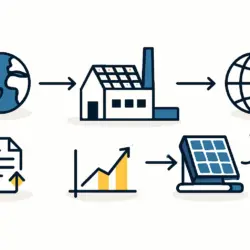
The recovery effort has been a testament to collaboration. The deployment of portable solar solutions was made possible through international partnerships, highlighting the global recognition of building climate-resilient infrastructure. This support is crucial, as the investment needed for hardening the grid and promoting distributed energy is substantial, touching everything from immediate aid to the long-term solar panel manufacturing plant cost breakdown for rebuilding efforts.
A Resilient Future: Jamaica’s Evolving Solar Strategy for Hurricane Resilience
Jamaica’s commitment to renewable energy is stronger than ever, but the focus has sharpened. The 2025 hurricane season has accelerated the transition from simply increasing solar capacity to building a truly resilient and distributed energy network. The goal is now twofold: harness the island’s abundant sunshine and ensure that the power stays on, even when the grid goes down.
By integrating the hard-won lessons from Hurricane Melissa, Jamaica is not just rebuilding; it is adapting for a more challenging future. The emphasis on robust infrastructure, decentralized storage, and community involvement is positioning the island to better weather the storms to come, ensuring a more sustainable and secure energy landscape for all its citizens.
If you’re interested in deepening your understanding of the technology behind this energy revolution, consider enrolling in our free e-course on solar panel manufacturing.