Tunisia’s Solar Future: Powering Ahead with the Kairouan Solar Plant Tunisia
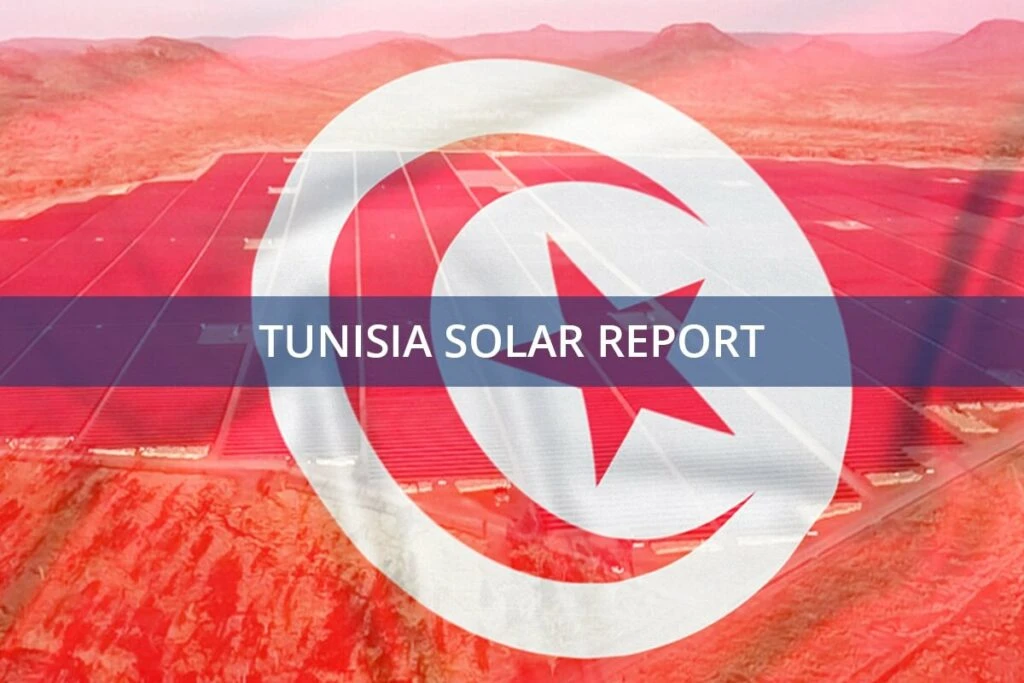
Tunisia is taking a monumental step into its renewable energy future with the development of its first large-scale solar power plant. The 100 MW Kairouan project, developed by France’s Akuo Energy, is on track to begin operations in early 2025, marking a new era for the nation’s energy landscape and setting a benchmark for solar power in North Africa.
First Large-Scale Kairouan Solar Plant Tunisia
Set to become the largest solar power plant in North Africa upon completion, the Kairouan project represents a significant national priority. Construction began in early 2023 with a project cost of approximately TND 300 million (USD 94 million/EUR 88 million). This ambitious undertaking received a major boost from international partners, including a co-financing loan package from the African Development Bank Group totaling $27 million and €10 million. Understanding the financials of such a massive project can be complex, and a detailed solar panel manufacturing plant cost breakdown provides insight into the investment required.
This development is a cornerstone of Tunisia’s strategy to expand its renewable energy portfolio significantly. The country has set an ambitious goal of reaching 3.8 GW of renewable capacity by 2030, with 2.5 GW slated to come from solar energy. The Kairouan plant is a critical first move, demonstrating the practical steps behind the basics of solar panel manufacturing and utility-scale deployment.
Economic and Environmental Impact of Kairouan Solar Plant Tunisia
The Kairouan solar plant is poised to deliver substantial economic and environmental benefits. During its construction, the project will generate crucial jobs, stimulating the local economy. Once operational, it will provide long-term employment opportunities for the region’s residents. More strategically, by generating clean, domestic electricity, the plant will enhance Tunisia’s energy independence and reduce its reliance on volatile and expensive imported fossil fuels.
On the environmental front, the impact is equally profound. The plant is projected to cut carbon dioxide emissions by an estimated 150,000 tons annually. This reduction is vital for Tunisia to meet its international climate commitments, particularly its Nationally Determined Contribution (NDC) under the Paris Agreement, which targets a 41% reduction in greenhouse gas emissions by 2030. The entire solar panel manufacturing process, from sourcing solar panel raw materials to final installation, is geared towards this goal of creating a sustainable energy source.
Partnership With STEG for Kairouan Solar Plant Tunisia
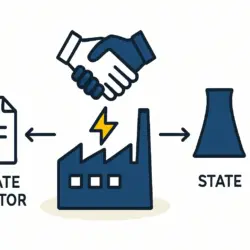
A key factor in the project’s viability is the strong collaboration between Akuo Energy and Tunisia’s national electricity and gas company, STEG (Société Tunisienne de l’Electricité et du Gaz). This public-private partnership is a model for future renewable energy developments across the country, spanning both solar and wind power initiatives.
STEG’s deep-rooted experience in the Tunisian energy sector and its management of the national grid are indispensable. This partnership ensures that the 100 MW of new solar capacity will be seamlessly integrated into the country’s existing power infrastructure, guaranteeing stable and reliable energy delivery to homes and businesses.
Future of Renewable Energy in Tunisia: The Kairouan Solar Plant
The successful launch of the Kairouan plant is expected to act as a catalyst, paving the way for a pipeline of new large-scale renewable projects. Tunisia is blessed with abundant solar and wind resources, and the government’s clear commitment to clean energy is attracting significant international attention.
Investors and energy companies from around the world are increasingly viewing Tunisia as a prime destination for renewable energy investment. Supportive government policies, combined with the nation’s natural advantages, create a fertile ground for growth. Future projects will rely on increasingly advanced solar panel manufacturing machines and technologies to further boost efficiency and drive down costs.
Challenges and Opportunities for Kairouan Solar Plant Tunisia
Despite the bright outlook, challenges remain. Tunisia’s national energy grid requires modernization and upgrades to effectively handle the intermittent nature of a growing share of renewables. Furthermore, refining the regulatory framework is essential to streamline processes and continue attracting the necessary levels of foreign and domestic investment.
However, the opportunities far outweigh the hurdles. Tunisia has the potential to become a regional powerhouse in renewable energy. For consumers in Europe, including homeowners and tenants in Germany, this North African energy transition is highly relevant. A green and stable energy sector in Tunisia contributes to broader regional stability and supports global climate goals that influence German energy policy. In the long term, it could open up new avenues for clean energy imports to Europe, diversifying supply and potentially impacting future energy costs. The Kairouan solar plant is more than just a power station; it’s the beginning of a journey that could see Tunisia exporting clean energy and know-how across the Mediterranean and beyond.
To truly grasp the transformative power of solar energy, from its basic principles to large-scale deployment, consider exploring our comprehensive free e-course on the subject.