Kuwait Unveils Massive Kuwait battery storage Project to Fortify Grid
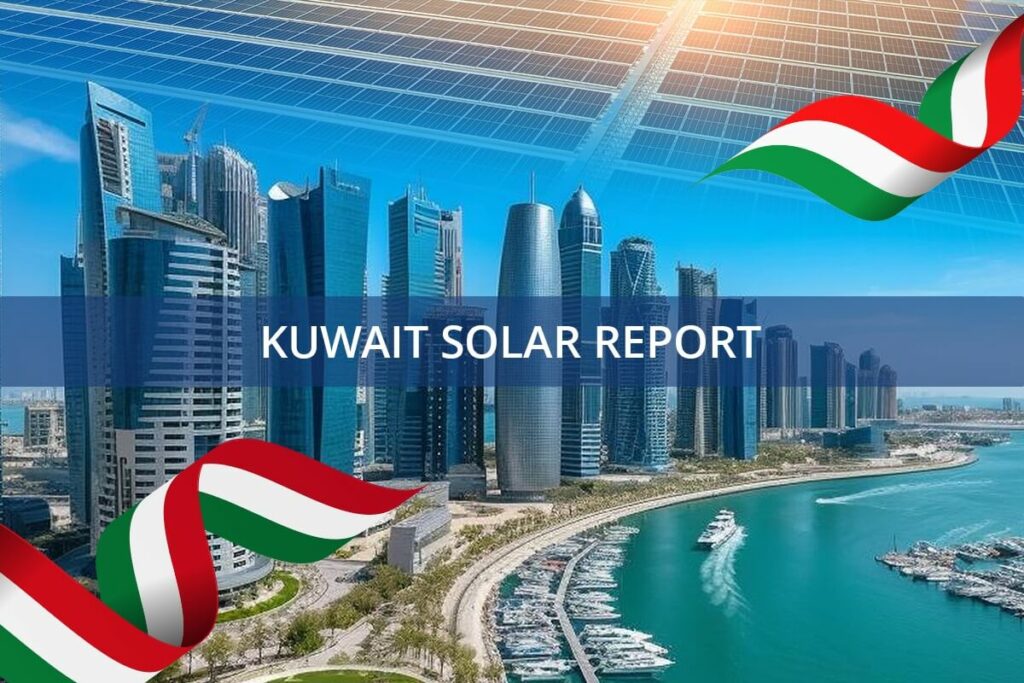
Kuwait is taking a significant step forward in its energy strategy, planning to develop one of the Middle East’s largest battery storage projects. This ambitious initiative is designed to enhance grid reliability, facilitate the integration of renewable energy, and effectively manage periods of peak electricity demand, aligning with the country’s long-term renewable energy goals and economic diversification efforts.
Addressing Critical Pressure on the National Grid with Kuwait battery storage
The project comes at a crucial time for Kuwait. The country’s national electricity grid has been facing increasing strain from a combination of factors, including rapid population growth, significant urban expansion, and soaring summer temperatures that drive up energy consumption. Compounded by delays in power plant maintenance, these pressures have led to recurring power shortages and the need for scheduled outages in some areas. This new battery energy storage system (BESS) is a direct response to these challenges, aiming to provide a robust buffer for the grid.
The Scale and Strategy of the Kuwait battery storage Project
The proposed project is substantial, with a planned discharge capacity of 1.5 gigawatts (GW) and a total storage capacity between 4 and 6 gigawatt-hours (GWh). This scale makes it a landmark project in the region.
The primary goal is to stabilize the electricity supply, ensuring power is available when it’s needed most. By storing energy during times of low demand and releasing it during peak hours, the system will reduce the country’s reliance on fossil fuel “peaker” plants. More importantly, it is a key enabler for Kuwait’s clean energy transition. Large-scale storage is essential for integrating intermittent renewable sources like solar power, as it can store solar-generated electricity for use after sunset. The success of such integration depends on a deep understanding of the entire solar panel manufacturing process and the basics of solar panel manufacturing.
A Broader Vision for Energy Transformation with Kuwait battery storage
This initiative is not happening in a vacuum. It is a core component of Kuwait’s broader strategy to secure its long-term power supply and diversify its economy. The project complements other major infrastructure developments, such as the Al-Khairan power plant and the Shagaya renewable energy complex, which are set to add nearly 2.9 GW of capacity. The investment in such large-scale facilities highlights the complex considerations that go into a solar panel manufacturing plant cost breakdown.
This move also reflects a growing trend across the region, where nations are embracing advanced energy solutions. For instance, the progress in Oman solar energy: Impressive 2024 growth with storage shows a similar strategic focus on pairing renewables with storage to enhance grid stability. As the project moves through its negotiation phase, the focus will be on selecting the right technology and partners to bring this vision to life, considering everything from the specific solar panel manufacturing machines used for partnered solar farms to the sourcing of solar panel raw materials.
In summary, Kuwait’s battery storage project represents a pivotal step toward strengthening its grid, supporting its renewable energy ambitions, and addressing the challenges of rising energy demand.
To learn more about the technologies driving the global energy transition, explore our free e-course.