Kuwait Solar Energy: Accelerating the Energy Transition with Project Tenders
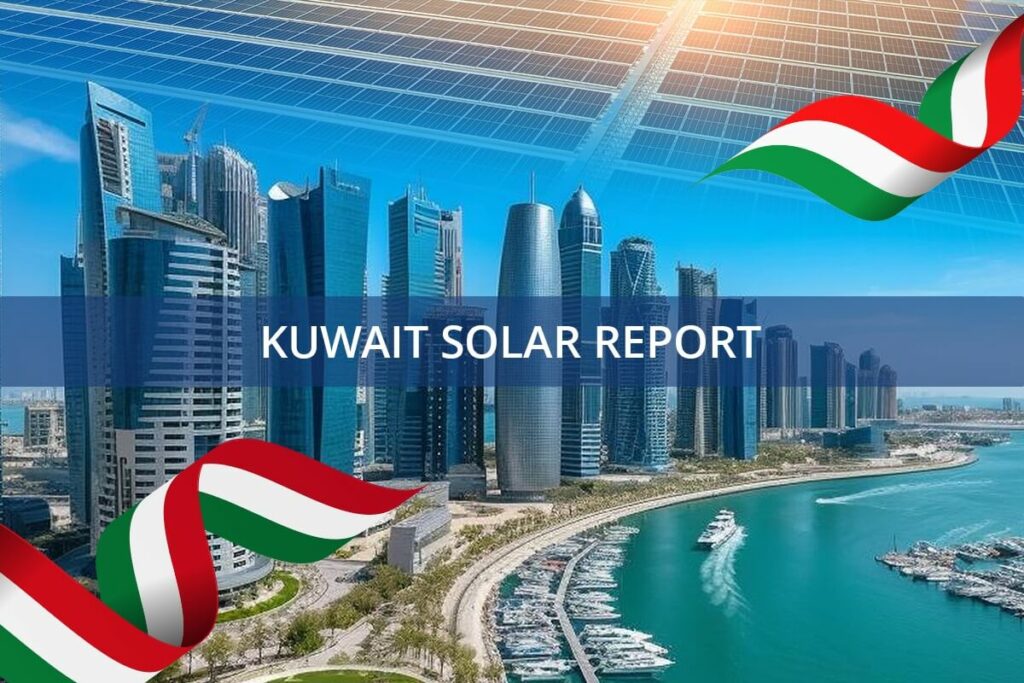
Kuwait is taking a significant stride forward in its national energy transition, launching tenders for two major solar projects, Al-Abdaliya and Al-Shaqaya. These initiatives are a cornerstone of the country’s strategy to diversify its energy mix and curtail its long-standing reliance on oil revenue. Managed by the Ministry of Electricity, Water, and Renewable Energy (MEW), these projects signal a firm commitment to a sustainable energy future.
Each project is slated to have a substantial capacity of 1 gigawatt, collectively adding 2 gigawatts of clean energy to the national grid. This move is a critical component of Kuwait’s goal to generate 15% of its energy from renewable sources by 2030. These tenders are not just about generating power; they represent a strategic investment in the nation’s economic and environmental future, expected to attract significant international interest from leading energy firms and investors.
These new developments build upon the foundations laid by previous efforts. The Al-Shaqaya project, for instance, is part of the larger Shagaya Renewable Energy Complex, which has been a focal point of the nation’s green energy ambitions. Progress on related ventures, such as the Kuwait solar project: Impressive 500 MW Move Forward at Al Dibdibah, demonstrates a sustained push towards harnessing the country’s abundant solar resources. The ambition is evident not only in utility-scale plants but also in community-level initiatives like the push for Kuwait solar housing: Stunning 2024 designs unveiled.
Kuwait’s actions are part of a broader regional trend. Across the Gulf, nations are increasingly investing in renewable technologies to meet rising energy demands and achieve climate objectives. Neighboring countries are also making headlines with their solar initiatives, as seen in the Bahrain Solar Panel Manufacturing | Market Insights Report, highlighting a collective shift in the region’s energy landscape. These developments are closely watched by analysts who compile data for resources like the Global Solar Report.
The launch of these gigawatt-scale tenders is also poised to stimulate the local economy by creating opportunities for domestic companies. The government has been working to create favorable conditions, and understanding Kuwait’s Solar Incentives: A Guide for Local Manufacturers is key for local businesses looking to participate. Such large-scale projects require a robust supply chain and a deep understanding of the solar panel manufacturing process. Local firms aspiring to contribute will need to master the basics of solar panel manufacturing, from sourcing solar panel raw materials to operating advanced solar panel manufacturing machines.
In conclusion, the Al-Abdaliya and Al-Shaqaya solar tenders mark a pivotal moment for Kuwait. They are a clear declaration of the country’s intent to become a significant player in the renewable energy sector, moving decisively towards its Vision 2030 goals and securing a sustainable and prosperous future.
To gain a deeper understanding of the technical and financial aspects of setting up a solar production line, explore our free e-course.