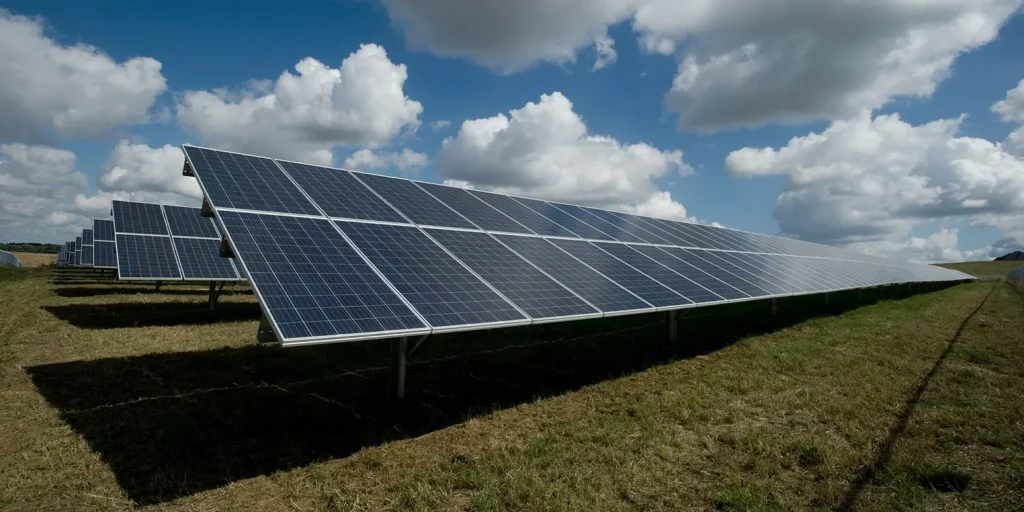
Kyrgyzstan is taking a significant leap forward in its renewable energy ambitions with the recent inauguration of a 6.6 MW solar power plant in the Chüy Region. The plant, financed by the European Bank for Reconstruction and Development (EBRD) and co-financed by the European Union, marks a pivotal moment in the country’s strategic shift towards a sustainable and diversified energy future. This project is a key part of a much larger vision, reflecting the country’s dedication to clean energy as outlined in the ambitious Kyrgyzstan renewable energy: Impressive 2024 solar plan.
Solar Park Boosts Kyrgyzstan solar energy Goals
The new solar power plant is a cornerstone of a broader national effort to diversify Kyrgyzstan’s energy sources and curtail its reliance on fossil fuels. With an estimated annual electricity generation of 11.4 GWh—enough to power thousands of local homes—the plant will play a crucial role in meeting the country’s growing energy demands while minimizing environmental impact.
This achievement is the result of a strong collaboration between Kyrgyzstan and its international partners, with the EBRD and European Union providing the necessary funding. The plant’s construction was expertly managed by the Kyrgyz company Nurzhan Energy, a specialist in renewable energy projects. Understanding the basics of solar panel manufacturing is key to appreciating the technical skill involved in bringing such a project to life.
The facility is expected to significantly reduce Kyrgyzstan’s dependence on fossil fuels, particularly coal, which has historically dominated the country’s energy mix. By harnessing the abundant power of the sun, Kyrgyzstan is taking a tangible step towards achieving its national renewable energy targets and building a more resilient power grid.
Strategic Location in Chüy Region for Kyrgyzstan solar energy
The solar power plant is strategically located in the Chüy Region, an area blessed with high solar irradiance and flat terrain, making it ideal for maximizing energy production. The site was carefully selected to optimize the efficiency of the solar panels, which are assembled through a complex solar panel manufacturing process, ensuring a steady and reliable supply of clean energy.
This location also offers the advantage of being close to the capital city of Bishkek, the country’s largest electricity consumer. Siting the plant near this major demand center helps to minimize transmission losses—the energy that is naturally lost as electricity travels over long distances—thereby improving the overall efficiency of the national power grid. The success of this project could transform the Chüy Region into a hub for renewable energy, paving the way for future developments and further expanding the country’s green energy capacity.
Kyrgyzstan’s Renewable Kyrgyzstan solar energy Future
The 6.6 MW solar power plant is a significant milestone, but it is just one piece of a larger puzzle. The government has set ambitious goals for expanding its renewable capacity, aiming to increase the share of renewables in the national energy mix substantially in the coming years.
While hydropower has traditionally been the backbone of renewable energy in Kyrgyzstan, the country is actively diversifying into other sources like solar and wind to create a more balanced and climate-resilient system. The success of the Chüy Region solar plant proves the viability of large-scale solar power in the country and is likely to attract further investment. This local progress mirrors a global trend, as detailed in the comprehensive Global Solar Report.
International support remains critical to this transition. Partners like the EBRD and the European Union provide not only the financial backing but also the technical expertise needed to build out modern renewable energy infrastructure, from sourcing solar panel raw materials to deploying advanced solar panel manufacturing machines.
Impact on Kyrgyzstan’s Economy and Environment from solar energy
The new solar plant is poised to deliver a positive economic impact by helping to stabilize energy costs and creating skilled jobs in the burgeoning renewable energy sector. By reducing its reliance on imported fossil fuels, Kyrgyzstan enhances its energy security and becomes less vulnerable to volatile global energy prices. A clear understanding of the solar panel manufacturing plant cost breakdown highlights the long-term economic benefits of such investments.
The environmental benefits are equally profound. By generating clean electricity, the solar plant will help lower Kyrgyzstan’s carbon footprint and contribute to global climate action. Furthermore, it will improve regional air quality by displacing energy that would otherwise be generated by coal-fired power plants.
Kyrgyzstan’s determined push towards renewable energy is a vital part of its journey to a sustainable and prosperous future. The successful launch of the 6.6 MW solar power plant in the Chüy Region is a powerful demonstration of the country’s commitment to clean energy and sets an inspiring precedent for other nations in Central Asia.
If you’re inspired by how solar technology is transforming energy landscapes worldwide and want to learn more about the industry, consider enrolling in our free e-course to deepen your understanding.