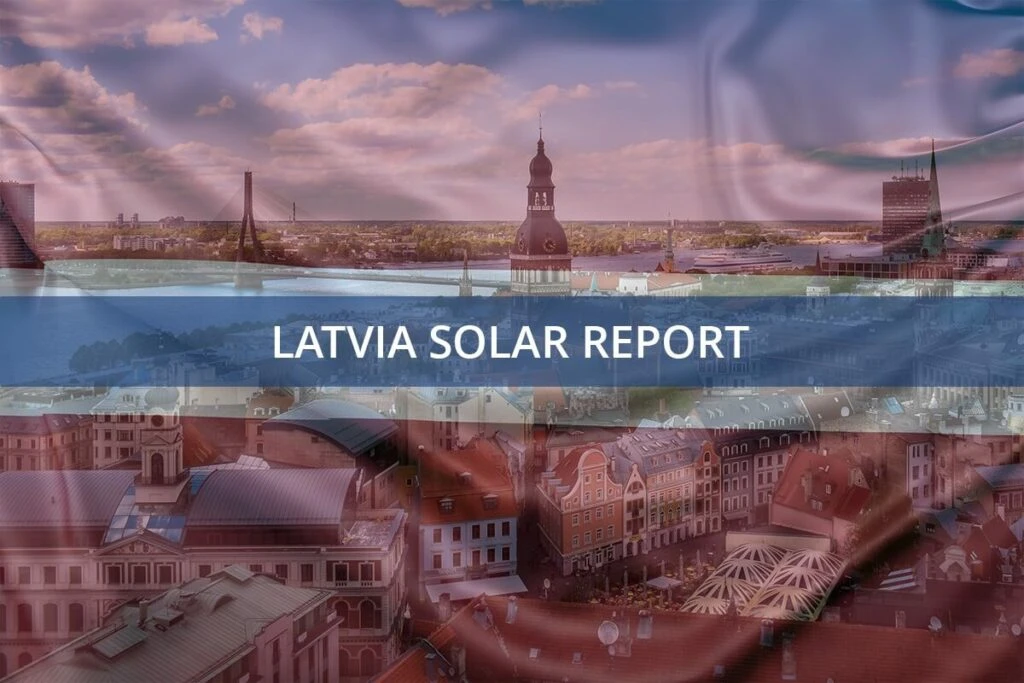
Latvia is taking a major leap forward in its renewable energy transition with the development of a hybrid 65 MW solar park and a 92 MWh battery energy storage system (BESS). This landmark project, developed by European Energy, represents a significant investment in the nation’s energy security and grid resilience.
Major Renewable Energy Projects with Latvia Solar Battery Integration
European Energy has successfully secured EUR 37.9 million in long-term project financing to build this cutting-edge facility in the Saldus municipality. The project, co-owned by European Energy and Sampension with financing provided by Luminor Bank, is set to be operational in the second half of 2026.
The facility will feature a powerful 23 MW, 92 MWh battery system designed to provide critical stability to the national grid. This is particularly important following Latvia’s recent disconnection from the BRELL power network. The BESS will enhance system flexibility by balancing electricity supply and demand, storing excess solar energy generated during the day for use during peak hours or when the sun isn’t shining. This capability is essential for integrating more intermittent renewable sources into the grid smoothly.
Alongside the battery, the 65 MW solar park will be constructed on approximately 96 hectares, becoming one of the most advanced renewable energy facilities in the country.
Latvia’s Growing Renewable Energy Sector with Solar Battery Solutions
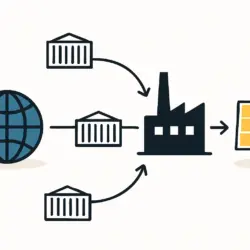
Latvia’s solar energy sector is experiencing explosive growth. In a remarkable achievement, the country surpassed 1 GW of installed solar capacity in July, with an impressive 749 MW added in the first half of 2024 alone. This rapid expansion is part of a wider regional trend, with neighboring Baltic states Estonia and Lithuania also crossing the 1 GW solar capacity threshold. Understanding the basics of solar panel manufacturing helps put into perspective the industrial scale-up required to achieve such targets.
The 65 MW solar park by European Energy will be a cornerstone of Latvia’s renewable energy strategy, making a substantial contribution to the national goal of generating 45% of its energy from renewable sources by 2030.
Benefits of the Solar Park and Battery System in Latvia
The hybrid solar and battery project offers a dual benefit to Latvia’s energy landscape. The solar park provides a large-scale source of clean electricity, reducing the nation’s carbon footprint and dependence on imported fossil fuels. The intricate solar panel manufacturing process behind the park’s modules is a testament to the advanced technology driving this green transition.
Crucially, the energy storage system addresses the challenge of intermittency. It will enhance grid stability by absorbing surplus power and injecting it back when needed most, ensuring a reliable power supply. This function is vital for maintaining energy independence and security, a concern shared by homeowners and policymakers across Europe, including Germany, as the continent works to build a more resilient and interconnected energy system.
Investments in Renewable Energy including Latvia Solar Battery Projects
Latvia is becoming an attractive hub for green investments. In 2023, the country drew over $100 million for renewable energy projects, primarily in solar and wind. The EUR 37.9 million financing for the Saldus hybrid facility is a prime example of this ongoing trend. A detailed solar panel manufacturing plant cost breakdown reveals the significant capital required for such utility-scale ventures.
The Latvian government is fostering this growth through supportive policies, including subsidies, tax incentives, and regulatory reforms. With plans to invest over $1 billion in renewable infrastructure over the next decade, the government is signaling a strong commitment to its ambitious target of a 45% renewable energy share by 2030. The careful selection of solar panel raw materials in these projects will also be key to ensuring long-term efficiency and sustainability.
Future Prospects for Latvia’s Renewable Energy Sector and Solar Battery Use
The future for renewable energy in Latvia looks bright. The government has set its sights on an even more ambitious target of 50% renewable energy in its total energy mix by 2030, necessitating a massive increase in solar and wind capacity. The use of modern solar panel manufacturing machines will be essential to produce the volume of panels needed to meet this goal.
The Public Utilities Commission (PUC) continues to play a pivotal role in this transition. By regulating the sector and issuing permits for large-scale projects like the European Energy facility, the PUC ensures that all new infrastructure complies with stringent national and EU regulations. This oversight guarantees the safety and reliability of Latvia’s energy supply as it moves decisively toward a cleaner, more sustainable future.
This project not only strengthens Latvia’s energy grid but also serves as a model for integrating renewable generation with energy storage. To learn more about the technologies driving this change, you can explore our free e-course on solar energy.