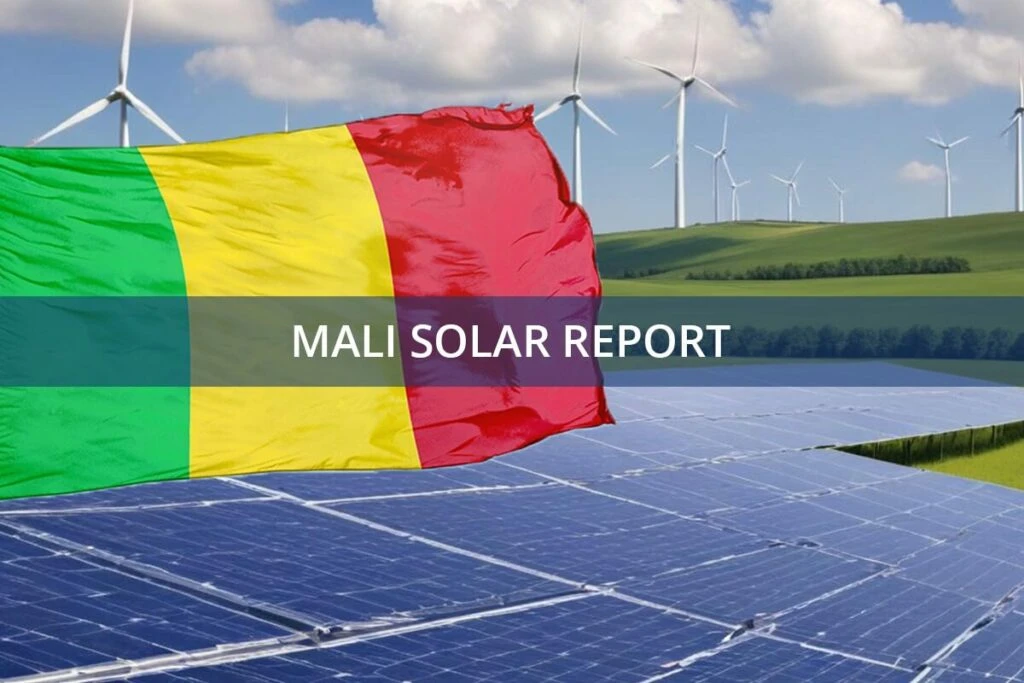
In a powerful demonstration of Africa’s clean energy transition, Mali has inaugurated its first hybrid solar microgrid in the rural town of Didiéni. This project is a key component of a broader continental strategy to deploy off-grid solar (OGS), which has already become the least-cost electrification solution for nearly 400 million people and accounted for 55% of new connections in Sub-Saharan Africa between 2020 and 2022. By leveraging such modern solutions, nations like Mali are actively working to replace inefficient legacy infrastructure, often termed “zombie energy systems,” and build a more resilient energy future.
Didiéni: A Blueprint for Rural Empowerment with Mali solar microgrids: Unique 2024 energy boost is impressive
The pioneering Didiéni microgrid, a collaborative effort between French utility EDF and Mali’s national power company, Énergie du Mali (EDM), brings reliable, 24/7 electricity to a community previously underserved. The 3 MW system is a sophisticated blend of a 1.3 MWp solar array, a 1.4 MWh battery storage unit, and a 1.5 MW thermal backup engine. This configuration will provide clean power to approximately 12,000 residents, including 1,400 households and 300 local businesses, transforming access to essential services in health, education, and security.
Beyond its immediate community impact, the project promises significant operational and environmental benefits. EDF estimates the microgrid will save EDM nearly 280,000 litres of diesel fuel annually, drastically cutting both operational costs and the region’s carbon footprint. This model aligns perfectly with national ambitions to scale up battery storage capacity from just 8 MWh in 2020 to a target of 250 MWh by 2025, which would serve over half a million people.
Mali’s National Strategy and Continental Vision for Mali solar microgrids: Unique 2024 energy boost is impressive
The Didiéni installation serves as a flagship for Mali’s ambitious goal of electrifying 300 rural communities, a plan supported by international partners including the World Bank. This national initiative is a crucial part of larger pan-African efforts like the African Development Bank’s “Mission 300,” which aims to bring electricity to 300 million Africans by 2030 through off-grid programs. These efforts highlight a growing recognition that decentralized renewable energy is critical for achieving universal energy access.
Mali’s commitment extends far beyond this single project. The country is aggressively expanding its entire renewable portfolio, from other rural initiatives like the Kayes Microgrid Project to massive utility-scale installations. In a landmark development, Mali is collaborating with Russia on a 200 MW solar plant, set to become the largest in West Africa. This is complemented by other major contributors to the national grid, such as the 50 MW Kita and Kangaba Solar Plants and the 33 MW Segou Hybrid Solar Plant, which collectively power hundreds of thousands of homes.
Unlocking Economic and Social Potential with Mali solar microgrids: Unique 2024 energy boost is impressive
The strategic deployment of solar panels in rural areas is unlocking profound socio-economic benefits. Access to reliable electricity empowers local entrepreneurs, enhances agricultural productivity, and creates sustainable jobs. This growth is being fostered by an emerging Mali solar panel manufacturing landscape, which aims to build a domestic industry around the entire renewable energy value chain, from processing solar panel raw materials to final installation and maintenance. The entire solar panel manufacturing process offers opportunities for skilled local employment.
By investing heavily in a diversified solar strategy, Mali is not just addressing its immediate electricity shortages, which affect nearly half its population. It is building a foundation for sustainable development, energy independence, and climate resilience. The Didiéni microgrid is more than just a power plant; it is a symbol of a brighter, cleaner future for Mali’s rural communities. To learn more about how these technologies are being deployed, you can explore this free e-course on solar energy.
Sources
- Benchmarking Africa’s Minigrids Report
- Unearthing the Reality of “Zombie Energy Systems” in Africa’s Energy Transition
- OFF-GRID SOLAR MARKET TRENDS REPORT 2024