Morocco Announces Net-Metering Tariffs for High-Voltage Grid Solar Energy
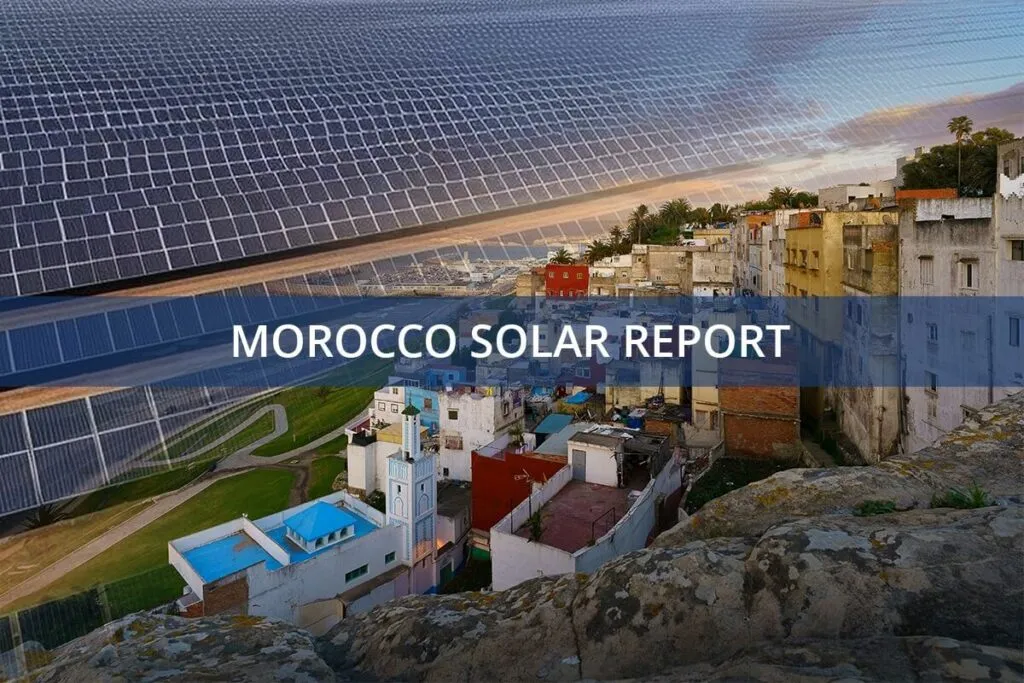
In a significant move to bolster its renewable energy sector, Morocco’s National Electricity Regulatory Authority (ANRE) has officially announced new net-metering tariffs. This development is aimed at producers of solar energy connected to the high-voltage, extra-high voltage, and medium-voltage electricity grids, marking a pivotal step in encouraging larger-scale clean energy generation.
The new regulations, effective from March 1, 2026, to February 28, 2027, establish a clear financial framework for commercial and industrial entities to sell their surplus solar power back to the national grid.
A Closer Look at the New Morocco solar net-metering Tariffs
Under the new directive, owners of qualifying solar installations will be compensated for the excess electricity they produce. The tariffs are structured to reflect demand periods on the grid:
- Peak Hours: 0.21 MAD/kWh (approximately $0.023/kWh)
- Off-Peak Hours: 0.18 MAD/kWh
This two-tiered structure is designed to incentivize energy production that aligns with the grid’s needs. The tariffs primarily target industrial and commercial solar projects, which have the capacity to connect to the medium and high-voltage networks and contribute substantial power.
The Policy Framework: Building on Existing Morocco solar net-metering Rules
This announcement builds upon Morocco’s existing net-metering framework, which has been in place since 2015. The system allows renewable energy producers to sell up to 20% of their total annual generation back to the grid. While the policy has been active for several years, its application has predominantly focused on medium- and high-voltage connections, leaving the residential sector waiting for a comprehensive framework.
The establishment of these specific tariff rates by ANRE provides much-needed clarity and financial certainty for investors and developers in the commercial and industrial solar space, potentially unlocking a new wave of private investment in renewable energy projects across the country.
Future Outlook: Residential Solar and National Morocco solar net-metering Goals
While this is a welcome development for larger installations, tariffs for low-voltage residential photovoltaic (PV) systems are still pending. The implementation for homeowners and small-scale producers awaits the finalization of a complete regulatory and technical framework to govern their connection and compensation.
This policy update is a critical component of Morocco’s ambitious low-carbon strategy. The nation holds immense potential for distributed solar energy, with estimates suggesting a capacity of 28.6 GW, capable of generating 66.8 TWh annually. Tapping into this potential could support a market valued at over $31 billion. Furthermore, as Morocco aims to have 2.5 million electric vehicles on its roads by 2035, the need for a robust, decentralized, and clean energy grid becomes even more pressing.
By clarifying the rules for high-voltage solar producers, Morocco is taking a decisive step toward modernizing its energy infrastructure, reducing its carbon footprint, and paving the way for a more sustainable and electrified future. The industry will now watch closely for subsequent regulations that will bring the benefits of solar net-metering to the residential level.