Solar Rooftop 500 Project in Morocco Receives Authorization Under Paris Agreement
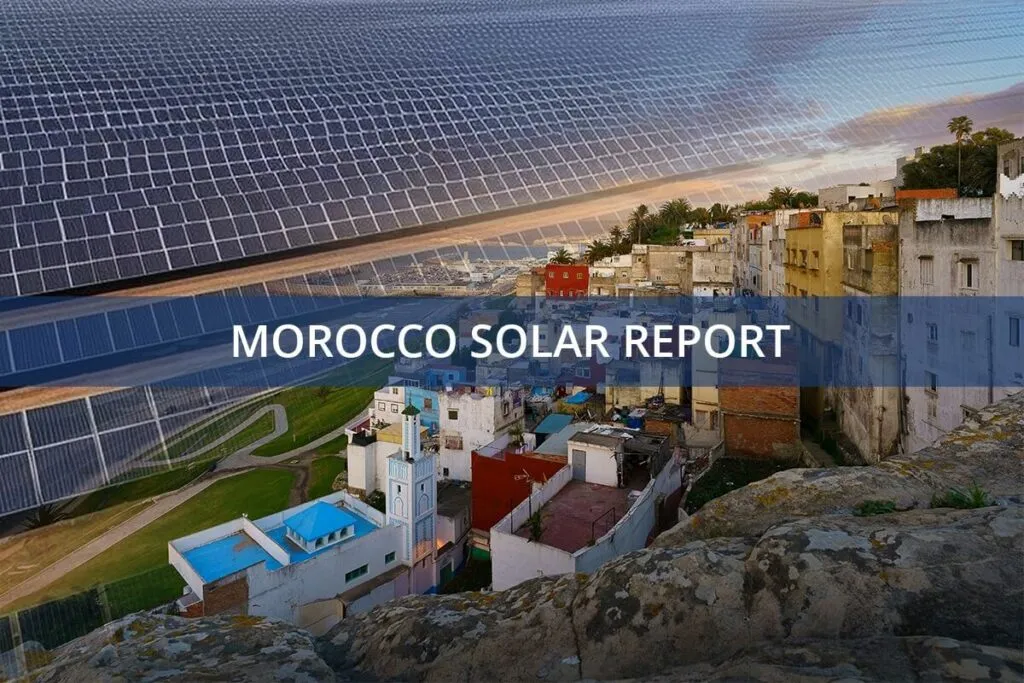
Morocco has once again solidified its position as a global leader in renewable energy. In a landmark development, the ambitious “Solar Rooftop 500” project has officially received authorization under the framework of the Paris Agreement. This crucial step not only greenlights a significant expansion of the nation’s solar capacity but also pioneers the use of international climate mechanisms to accelerate the green transition.
The authorization marks a pivotal moment, showcasing how the principles of the Paris Agreement can be translated into tangible, on-the-ground action. For Morocco, it’s a major stride towards achieving its aggressive renewable energy targets and for the world, it offers a powerful blueprint for climate action.
The Significance of Paris Agreement Authorization for the Morocco solar rooftop project
Receiving authorization under the Paris Agreement, specifically its Article 6, is more than just a procedural milestone. This article establishes a framework for countries to cooperate voluntarily to achieve their climate targets, including through the use of international carbon markets.
By securing this approval, Morocco’s Solar Rooftop 500 project is recognized as a verified contributor to global greenhouse gas reduction efforts. This allows the mitigation outcomes—the verified carbon emissions reduced by the project—to be potentially transferred internationally as Internationally Transferred Mitigation Outcomes (ITMOs). This mechanism can attract foreign investment, lower the cost of financing, and create a valuable revenue stream through the sale of carbon credits to countries or corporations seeking to meet their own climate commitments. It effectively transforms a domestic energy project into an asset on the international climate stage.
This move demonstrates a sophisticated approach to climate finance and policy, proving that the Paris Agreement’s cooperative mechanisms are viable tools for mobilizing the resources needed to decarbonize our economies.
A Closer Look at the Morocco solar rooftop project
The Solar Rooftop 500 project is a strategic initiative focused on decentralizing power generation. The project aims to deploy solar photovoltaic (PV) systems across the rooftops of 500 large commercial and industrial facilities throughout the country. Unlike massive, utility-scale solar farms, this distributed generation model offers a unique set of advantages:
- Enhanced Grid Stability: By generating power at the point of consumption, the project reduces strain on the national grid and minimizes transmission losses.
- Economic Empowerment: Participating businesses will benefit from lower, more predictable electricity costs, enhancing their competitiveness and operational resilience.
- Job Creation: The initiative is expected to spur significant job growth in the green economy, from PV system installation and maintenance to engineering and project management.
- Significant Emissions Reduction: By displacing energy generated from fossil fuels, the project will make a substantial contribution to reducing Morocco’s national carbon footprint.
This focus on the commercial and industrial sector is particularly strategic, as it targets high-energy users and transforms them from simple consumers into active participants in the country’s energy transition.
Morocco’s Continued Leadership in Renewable Energy with Solar Rooftop Project
This latest achievement is part of Morocco’s long-standing and globally recognized commitment to renewable energy. The nation is already home to some of the world’s largest solar power plants, such as the Noor Ouarzazate complex. Morocco has set an ambitious goal to source over 52% of its installed electricity production capacity from renewable sources.
The Solar Rooftop 500 project complements these large-scale installations by diversifying the country’s energy strategy. It demonstrates a holistic vision that embraces both centralized and decentralized renewable energy models to build a secure, sustainable, and low-carbon energy future. This positions Morocco not just as a regional leader in North Africa but as a global model for developing nations charting a path toward climate-resilient prosperity.
What This Means for the Future of the Morocco solar rooftop project
The authorization of the Solar Rooftop 500 project under the Paris Agreement sets a powerful precedent. It provides a clear, replicable model for other countries looking to leverage international climate policy to fund and implement ambitious renewable energy projects.
As the world races to meet the goals of the Paris Agreement, initiatives like this are indispensable. They prove that environmental stewardship and economic development can go hand in hand. By unlocking the potential of international cooperation, Morocco is not just building solar panels—it is building a blueprint for the future of global climate action.