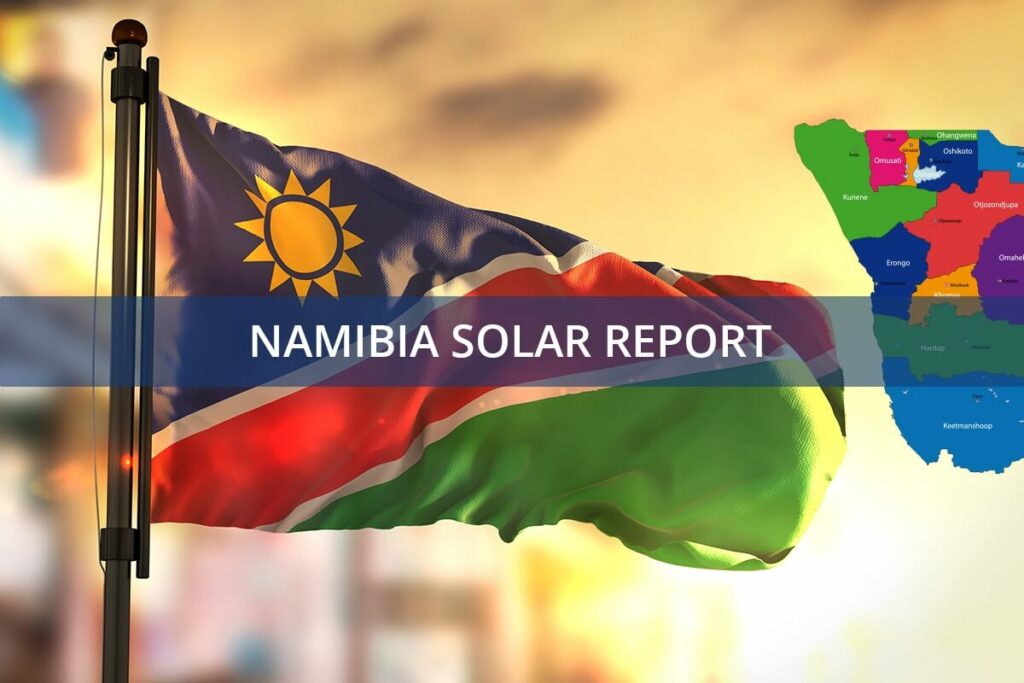
Namibia is significantly expanding its solar energy capacity, with multiple new solar plants contributing to a major grid boost expected by 2025. This initiative is unfolding under the Southern African Power Pool (SAPP) program, which aims to enhance cross-border electricity trade and energy security across the region.
Namibia’s Solar Energy Expansion Initiative
The SAPP initiative marks a major milestone for Namibia’s renewable energy ambitions. Instead of relying on a single project, the country is seeing a wave of development, with several new solar plants contributing to the national grid. This concerted effort underscores Namibia’s commitment to a cleaner and more sustainable energy future, with a unique grid boost set for 2025.
The SAPP is a regional organization that connects the power systems of 12 countries in Southern Africa, including Namibia, South Africa, Botswana, Zimbabwe, and Mozambique. By coordinating electricity generation and transmission across borders, the SAPP aims to optimize energy resources, reduce costs, and improve energy access.
Namibia’s proactive participation in the SAPP is a testament to its strategic approach to renewable energy. The country boasts abundant solar resources, making it an ideal location for large-scale projects. Recent successes, like the inauguration of the 25 MW Garoëb Khan Solar Plant, and ongoing projects, such as the 20 MW solar plant under construction by Solarcentury Africa, are tangible steps in this journey. These new plants will not only increase Namibia’s domestic energy capacity but also position the country as a key player in regional energy trade.
Impact on Energy Security and Economy
The new solar plants are expected to have a profound impact on Namibia’s energy security. By increasing its renewable energy capacity from a baseline of 170 MW in 2023, Namibia will reduce its reliance on imported electricity and volatile fossil fuels. This shift towards clean energy will help stabilize energy prices and significantly reduce the country’s carbon footprint.
Moreover, the solar expansion contributes directly to Namibia’s economic growth. Beyond the jobs created during construction and operation, the country is fostering a domestic industry through its Namibia solar manufacturing: Unique 2024 growth plan. This strategic move aims to build local expertise in the complete manufacturing process, stimulating local industries and attracting foreign investment. The increased energy capacity will also support broader industrial development.
The SAPP initiative also highlights the importance of regional cooperation in addressing energy challenges. By working together, Southern African countries can share resources, expertise, and infrastructure to achieve common energy goals. Namibia’s role in the SAPP demonstrates its leadership in promoting renewable energy and regional integration.
Namibia’s Renewable Energy Prospects and Solar Expansion
Namibia’s renewable energy prospects are exceptionally bright, with solar power playing a central role in its energy strategy. The government has set an ambitious target to increase the share of renewable energy in the national grid to 70% by 2030. The current wave of solar projects is a significant step towards achieving this goal.
In addition to solar, Namibia is exploring other renewable sources like wind and biomass. The country has vast wind resources, particularly along the coast, which could be harnessed for large-scale power projects. Biomass energy also holds potential as a sustainable energy source.
Namibia’s renewable energy expansion is supported by a favorable regulatory framework and strong government commitment. As detailed in the Namibia Solar Panel Manufacturing Report, the country has implemented policies and incentives to encourage investment. Understanding the basics of manufacturing and securing a supply of raw materials are key challenges being addressed by these new policies.
The SAPP initiative is a game-changer for Namibia’s energy sector, paving the way for a cleaner and more resilient energy future. With its growing solar capacity, Namibia is set to become a regional leader in renewable energy. The benefits extend beyond energy security and economic growth; they also contribute to global efforts to combat climate change.
As Namibia continues to invest in renewable energy, it sets an example for other countries in the region and beyond. The SAPP initiative is not just about increasing energy capacity; it is about building a sustainable future for Namibia and the entire Southern African region.
If you want to learn more about the intricacies of setting up a solar panel production line, from the required manufacturing machines to a full plant cost breakdown, consider diving deeper with our free e-course.