Namibia’s Solar Megaproject: The Namibia solar power plant Blueprint
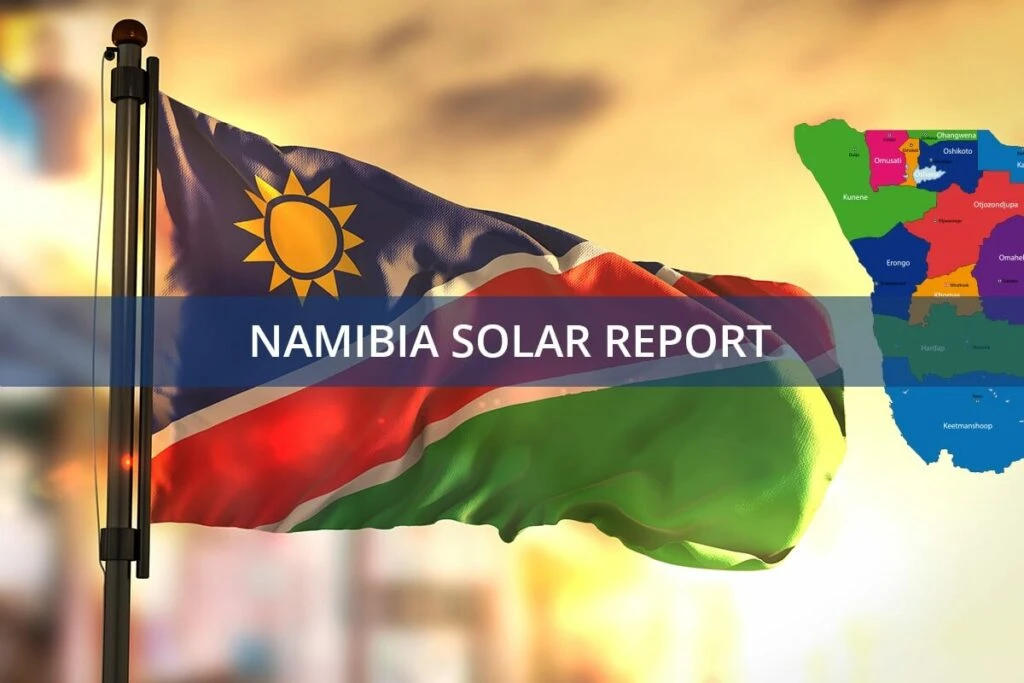
Namibia is taking a monumental step towards a sustainable energy future. NamPower, the country’s national power utility, has commenced the construction of a massive 100 MW solar power plant in southern Namibia. This project, which broke ground in mid-2025, is currently the largest solar facility under development in the nation and marks a significant milestone in its energy strategy.
While this development is happening thousands of kilometers away, it holds relevant insights for homeowners and tenants in Germany. It serves as a powerful case study in the global pursuit of energy security and the scaling of renewable technologies, echoing the very principles that drive Germany’s own Energiewende (energy transition).
A National Strategy for a Brighter Future with Namibia solar power plant
The 100 MW plant is not an isolated effort. It is the cornerstone of Namibia’s ambitious plan to harness its abundant solar resources, reduce its historical reliance on imported electricity, and foster a welcoming environment for private-sector investment in clean energy.
This initiative is further bolstered by a recent tender for an additional 120 MW of solar capacity. This will be developed through six separate 20 MW grid-connected plants under an Independent Power Producer (IPP) model, signaling a strong commitment to diversifying the energy mix. With an installed solar capacity of 163 MW by the end of 2024, these new projects will dramatically increase Namibia’s solar footprint, positioning it as a renewable energy leader in sub-Saharan Africa.
Global Scale, Local Impact: What This Means for the Namibia solar power plant
At first glance, a solar plant in southern Africa may seem disconnected from the concerns of a resident in Frankfurt or Hamburg. However, such large-scale international projects have a direct ripple effect on the global solar market, which in turn impacts German consumers.
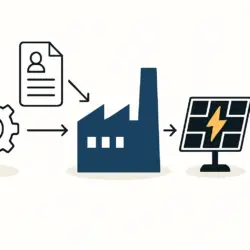
The sheer scale of this 100 MW facility demonstrates the maturity of solar technology. The basics of solar panel manufacturing have been refined over decades, allowing for a highly efficient solar panel manufacturing process that can meet the demands of such enormous projects. This global scaling helps drive down production costs, making solar panels more affordable for everyone, including those planning a rooftop installation in Germany.
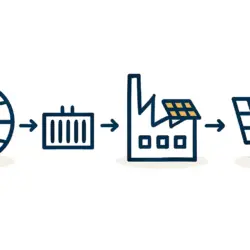
Furthermore, these developments stimulate a robust global supply chain. They create sustained demand for the essential solar panel raw materials and the sophisticated solar panel manufacturing machines required for production. A stable, high-demand global market ensures a steady and competitively priced supply of solar components for German installers and homeowners. The investment required is significant, as a typical solar panel manufacturing plant cost breakdown reveals, but the long-term returns in energy independence and cost savings are clear.
Namibia’s push for energy sovereignty mirrors the same goal in Germany. By generating its own clean electricity, Namibia reduces its vulnerability to external energy market fluctuations—a lesson that resonates deeply across Europe. Whether it’s a utility-scale farm in the desert or a “Balkonkraftwerk” (balcony power plant) on a German apartment, the underlying principle is the same: harnessing local, renewable resources to build a more resilient and sustainable energy system.
As the world collectively moves towards a cleaner energy paradigm, projects like Namibia’s 100 MW solar plant are not just regional news—they are vital components of a global transformation. They prove the economic viability and technical feasibility of solar power on a massive scale, reinforcing the value of every solar investment, large or small.
Ready to understand the technology behind this global energy shift? To learn more about how solar panels are made and how you can contribute, explore our comprehensive free e-course.