Nepal and Germany are set to deepen their collaboration on solar energy projects, with Germany offering concessional financing to support Nepal’s burgeoning energy sector. This partnership aims to accelerate the adoption of renewable energy, enhance energy security, and address pressing climate change challenges.
Concessional Financing through Nepal Germany cooperation for Solar Energy Projects
Germany and Nepal have solidified a strategic partnership to enhance cooperation in solar energy. This collaboration is designed to boost Nepal’s renewable energy capacity and promote sustainable development. A key component of this agreement is Germany’s offer of concessional financing to support Nepal’s energy sector, with a strong focus on solar initiatives.
During a recent meeting between Nepal’s Minister for Energy, Water Resources and Irrigation, Kulman Ghising, and German Ambassador Udo Eugen Volz, discussions centered on expanding this cooperation. The dialogue underscored Germany’s commitment to supporting Nepal’s energy transition, touching upon specific German-supported solar projects and critical infrastructure like the Lekhnath–Damauli 220 kV transmission line.
Germany has long been a global leader in renewable energy, and its expertise in solar technology is well-recognized. The German government’s offer of concessional financing will be instrumental in implementing large-scale solar projects across Nepal.
Concessional financing is a form of financial aid provided at lower interest rates and with more flexible repayment terms than commercial loans. This vital support will enable Nepal to invest in modern solar infrastructure, significantly reducing its dependence on fossil fuels and strengthening its overall energy security.
Solar Energy Projects in Nepal Germany cooperation
Nepal possesses immense potential for solar energy production, with a projected capacity of approximately 47,628 MW from solar power alone. As detailed in the Nepal Solar Panel Manufacturing | Market Insights Report, the country’s geographic location and abundant sunlight make it an ideal candidate for solar development. The nation has been actively seeking to diversify its energy mix beyond hydropower, which can be vulnerable to seasonal variations. Solar energy presents a reliable, year-round alternative.
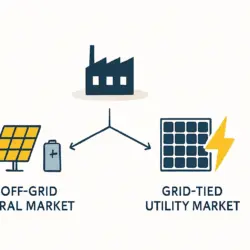
The concessional financing from Germany will be utilized to develop large-scale solar projects across the country. A testament to this ambition is the recent tender opened by the Nepal Electricity Authority (NEA) for 800 MW of grid-connected solar projects. These initiatives will include utility-scale solar farms, the development of solar mini-grids in remote rural areas, and the promotion of rooftop solar systems in urban centers. For a deeper understanding of what these projects entail, it’s helpful to review the basics of solar panel manufacturing.
The development of these projects will contribute directly to Nepal’s energy security by providing a stable and sustainable power source. Solar energy is renewable, environmentally friendly, and a key tool in reducing greenhouse gas emissions. By investing in solar, Nepal can diversify its energy sources and shrink its carbon footprint.
Beyond the environmental benefits, these projects promise significant economic and social impacts. The construction and operation of solar infrastructure will create jobs and stimulate local economies. Furthermore, access to clean, reliable energy will improve the quality of life for millions of Nepalese citizens, especially in rural communities where electricity access has been limited.
Boosting Economic Growth through Nepal Germany cooperation
The financial support from Germany is set to play a crucial role in energizing Nepal’s renewable sector. By lowering the cost of capital, this financing makes large-scale solar investments more feasible. It also encourages private sector participation, which is essential for accelerating the development of solar infrastructure.
A primary hurdle for solar development is the high upfront cost associated with building power plants and the necessary grid connections. Understanding the solar panel manufacturing plant cost breakdown reveals the scale of these initial investments. The concessional financing will help mitigate these costs, making solar projects more financially viable and attractive to investors. Building a domestic industry also requires a grasp of the entire supply chain, from sourcing raw materials to mastering the manufacturing process with the right manufacturing machines.
The agreement between Germany and Nepal marks a significant milestone. This collaboration not only helps Nepal achieve its renewable energy targets but also contributes to the global fight against climate change, a topic of interest in our Global Solar Report. With a German delegation expected to visit Nepal to identify further areas of assistance, the success of this partnership could serve as a powerful model for other nations pursuing a sustainable energy future.
For those looking to delve deeper into the technical and business aspects of launching such transformative projects, our free e-course on solar panel manufacturing offers comprehensive insights.