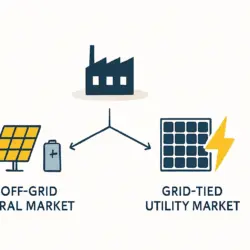
To accelerate its transition towards renewable energy, the Nepal government has introduced a new policy framework aimed at encouraging solar power generation through competitive pricing for power purchase agreements (PPAs). Spearheaded by the Nepal Electricity Authority (NEA), this initiative moves towards a market-driven approach by setting a maximum base competitive rate of NPR 5.94 per unit (kWh) for solar energy procured through a bidding process. This policy is a crucial step for developers looking into Entering Nepal’s Solar Market: Off-Grid vs. Grid-Tied as it provides a clearer financial landscape.
This competitive solar tariff is strategically positioned within Nepal’s broader energy mix. For comparison, the current PPA rates for the country’s dominant hydropower sector vary seasonally, with rates as low as NPR 4.80 per unit during the rainy season and rising to between NPR 8.40 and NPR 8.80 per unit in the dry winter months. The NPR 5.94 rate for solar, therefore, offers a stable, year-round price point that is competitive with hydropower, especially during peak production times. The policy aims to incentivize investment in large-scale solar projects by ensuring a fair and predictable return for developers.
This clear pricing signal not only supports the development of solar farms but also has the potential to stimulate growth in the domestic solar supply chain. A stable market encourages a deeper understanding of the entire value chain, from the solar panel manufacturing process to the final installation. Investors and local entrepreneurs can better evaluate the basics of solar panel manufacturing, including the sourcing of quality solar panel raw materials and the investment in efficient solar panel manufacturing machines. For those considering market entry, a detailed solar panel manufacturing plant cost breakdown becomes more viable under such a supportive policy environment.
By establishing a competitive and transparent tariff structure, Nepal is taking a significant step towards diversifying its energy portfolio, reducing its reliance on seasonal hydropower, and attracting the investment needed to meet its clean energy goals.
To learn more about the intricacies of entering the solar industry, from production to policy, explore our free e-course.