Nepal Accelerates Solar Push with New Nepal solar projects
In a landmark move to diversify its energy portfolio, Nepal’s government has granted survey licenses for 97 solar energy projects across the nation. This significant initiative, driven by private sector investment, represents a combined capacity of nearly 2,200 MW in the pipeline, signaling a decisive shift in the country’s energy strategy. The projects vary in scale, ranging from smaller 1 MW installations to massive 200 MW solar farms.
This development is a core component of Nepal’s solar energy plan, which aims to reduce the nation’s heavy reliance on hydropower and build a more resilient energy grid in the face of climate change and increasing electricity demand.
A Closer Look at the Solar Pipeline of Nepal solar projects
The new licenses include several large-scale ventures poised to make a substantial impact. Among the most notable are the 100 MW Rolpa Solar Project and the 150 MW Arghakhanchi Solar Project. Other significant developments include the 100 MW Jhapa Solar Project and the 100 MW Nepalgunj-2 Solar Project.
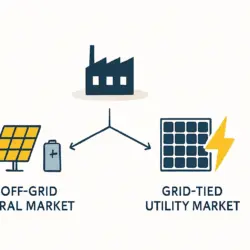
Alongside these large-scale survey licenses, progress is also being made on projects closer to completion. Since mid-2025, six solar projects have received full generation licenses. These include the 8 MW Duhabi Solar Farm and a 10 MW grid-connected project by Positive Energy Pvt Ltd, demonstrating that momentum is building across all scales of solar development. This rapid expansion is a key feature of the current Nepal Solar Panel Manufacturing | Market Insights Report.
Policy Shifts Powering Nepal solar projects Investment
This surge in solar activity is underpinned by proactive government policy. Officials are prioritizing energy diversification by implementing measures such as fair tariffs for solar-generated electricity to attract investment. The national goal is for solar power to meet at least 10–15% of Nepal’s total electricity demand.
A critical policy change came from Energy Minister Kulman Ghising, who worked to remove the previous 10% cap on solar power within the national energy mix. This has opened the floodgates for investment and demonstrates a long-term commitment to photovoltaic energy. The momentum is set to continue, with five additional solar projects currently under review for survey licenses.
This expansion necessitates a deeper understanding of the entire solar value chain. For investors and developers, grasping the complete solar panel manufacturing process is essential. Success hinges on everything from sourcing the right solar panel raw materials to utilizing state-of-the-art solar panel manufacturing machines. Furthermore, a clear view of the solar panel manufacturing plant cost breakdown is vital for financial planning and securing investment in this growing market.
As Nepal forges ahead with its ambitious solar agenda, the focus will increasingly turn to building a robust domestic industry. To learn more about the fundamentals of this technology, from the basics of solar panel manufacturing to the complexities of establishing a production line, explore our free e-course on solar manufacturing.