
ClearPV—a new transparent glass solar panel—has launched in South Africa, allowing buildings to generate energy without sacrificing their design aesthetic. This technology delivers up to 30 W per square meter and improves energy efficiency by reducing heating and cooling needs.
Transparent Glass Solar Panels – A Game-Changer
A new transparent solar panel technology has arrived in South Africa, marking a significant innovation in building design and energy efficiency. The advancement comes from a collaboration between Australian-based solar panel developer ClearVue and South African distributor Concept Business Solutions.
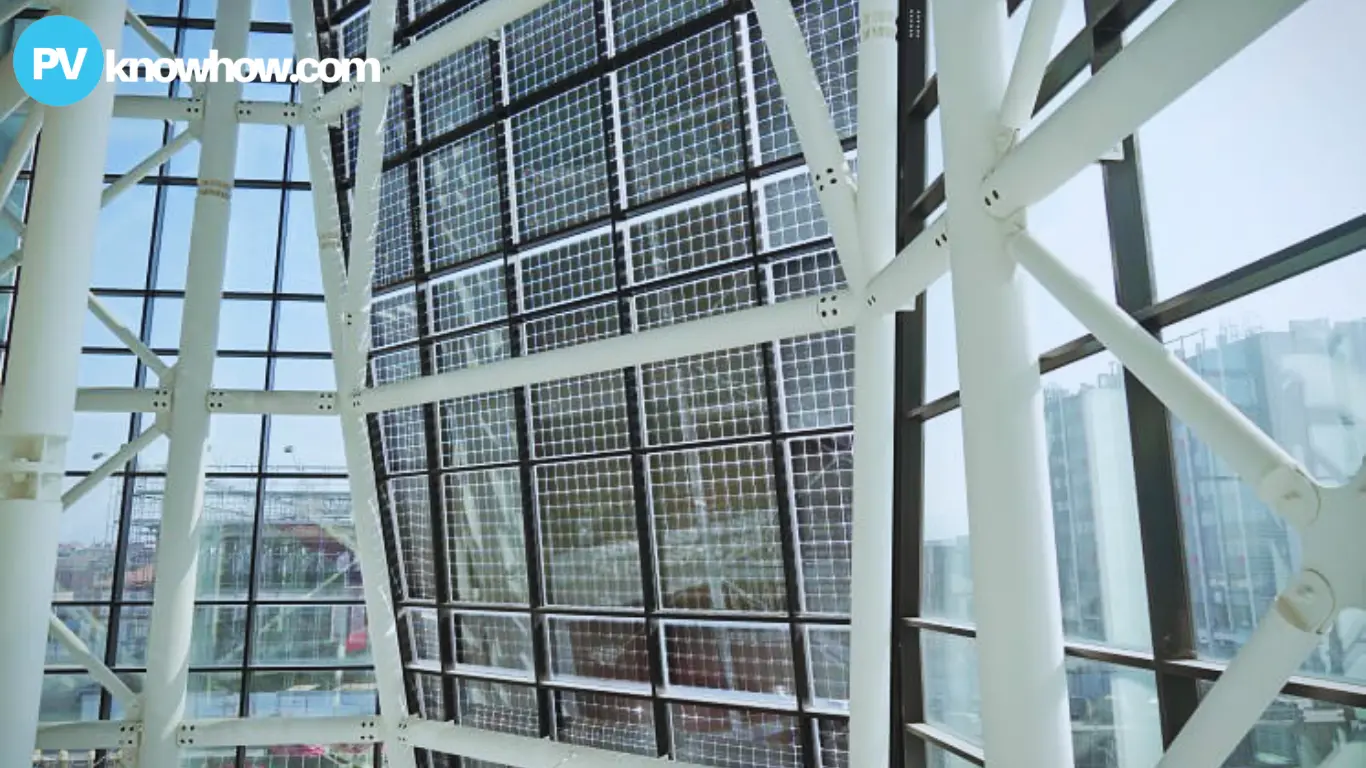
Transparent Glass Solar Panels
Branded locally as ClearPV, this cutting-edge solar glass is set to revolutionize how buildings generate and use power, promising a significant impact on South Africa’s renewable energy market.
A breakthrough in building-integrated photovoltaic (BIPV) technology, ClearPV consists of transparent glass solar panels that generate electricity while remaining completely clear.
This transparency makes them ideal for building facades, windows, and other architectural elements. The panels produce up to 30 W of electricity per square meter, offering a sustainable energy solution that integrates seamlessly with a building’s design.
Collaboration for Sustainability
ClearPV represents a major step forward in integrating renewable energy into urban environments. The system allows natural light to pass through, which provides energy-efficient heating and cooling benefits while also allowing buildings to generate their own power on-site.
Concept Business Solutions is the licensed distributor of ClearVue’s glass solar panel technology in South Africa.
According to managing director Craig Boyd, ClearPV is unique because it allows up to 70% of light through while also delivering a thermal benefit that reduces energy costs for heating and cooling.
ClearVue founder and chairperson Victor Rosenberg emphasized the importance of decarbonizing the built environment, noting that it accounts for around 40% of global CO2 emissions annually. Rosenberg believes ClearPV technology can bridge the gap between construction and renewable energy.
“Our mission is to support the decarbonisation of the built environment by designing products that improve energy efficiency and provide clean energy,” Rosenberg said during the launch in Sandton.
Versatile Applications of Glass Solar Panels
ClearVue’s glass solar panel technology extends beyond windows and facades. The product range includes opaque solar facades, solar spandrels, skylights, and even balustrades. Together, these components can generate an energy output of up to 200 W per square meter, potentially covering 50% to 100% of a building’s energy needs.
By incorporating ClearVue’s technology, architects and developers can design more energy-efficient structures that achieve near net-zero performance. This is crucial for meeting global carbon-reduction targets and promoting sustainable urban development.
The glass solar panels are made with polyvinyl butyral (PVB) laminated glass. This process involves sandwiching a PVB resin layer between two layers of glass, which ensures the panels are both safe and durable.
ClearVue’s technology also integrates nano and micro materials into the PVB layer. Rosenberg explained the system’s mechanics: “We convert ultraviolet to infrared rays, and then the light is pushed to the edges where it is converted into electricity. We also form a heat shield, because we do not allow a lot of infrared to get through.”
With the launch of ClearPV in South Africa, the future of building design takes a major leap forward. These transparent solar panels offer the dual benefits of aesthetic flexibility and energy efficiency, making them an ideal solution for the modern built environment.

I am a self starter and have the drive to create solar installation and manufacturing jobs to resolve the unemployment figure as well as resolve problems for the ailing over loaded power grid.
I would like to be assisted to start thus initiative in South Africa.