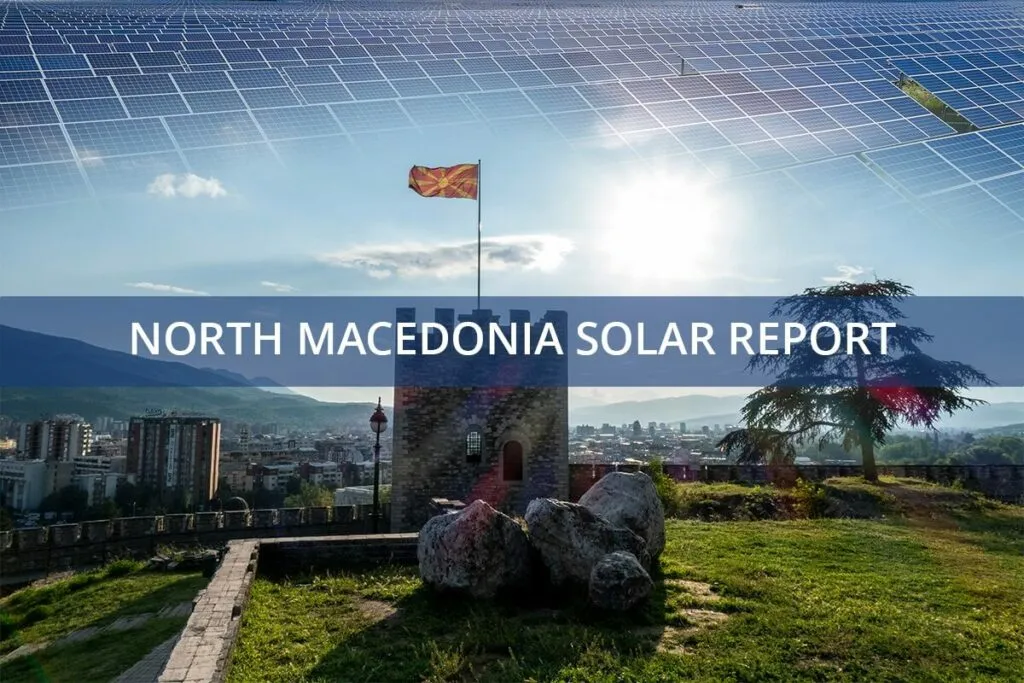
North Macedonia is launching a landmark initiative to install solar panels on public buildings as part of a new, comprehensive energy overhaul law. This strategic move aims to tackle growing energy demands, accelerate the nation’s transition to renewable energy, and critically, ensure the long-term stability of its national power grid.
The New Energy Overhaul Law & North Macedonia Solar Panels
Under the new legislation, municipalities will designate public buildings, such as schools and administrative offices, as locations for photovoltaic installations. In a mutually beneficial arrangement, they will receive a portion of the clean electricity generated, leading to substantial savings for local authorities. For instance, a compelling study by the City of Skopje projected that solar panels on municipal roofs could generate up to 8 MW of electricity, potentially saving the city’s budget approximately 8 million euros. This model showcases how public infrastructure can be transformed into assets for clean energy generation, a concept gaining traction across Europe.
A crucial component of the law is the introduction of measures to strengthen the national power grid. To prepare for the influx of decentralized energy sources, all users of the distribution network will be charged a fee based on their installed capacity, rather than just their electricity consumption. This forward-thinking policy incentivizes energy efficiency and ensures the grid can reliably handle increased loads, a challenge that nations like Germany are also navigating with their own Energiewende (energy transition).
Expanding the Role of Energy Producers with North Macedonia Solar Panels
The energy overhaul law significantly broadens the role of energy producers by empowering them to act as suppliers. This allows producers to sell electricity directly to consumers, bypassing traditional utility companies and fostering a more competitive marketplace. This shift is expected to increase consumer choice and potentially lower energy costs.
Furthermore, the law establishes a system of green certificates. These will be issued to companies producing electricity from renewable sources, providing a verifiable way to demonstrate their commitment to sustainability. Understanding the basics of solar panel manufacturing is key to appreciating the technology behind this green power. These certificates can be traded on an open market, creating an additional revenue stream for renewable energy producers and adding a market-based incentive for green investments.
Encouraging Residential North Macedonia Solar Panels Installation
To democratize the energy transition, the law simplifies the process for installing solar panels on residential buildings. In a move particularly relevant for urban residents in countries like Germany, homeowners will no longer require approval from a two-thirds majority of tenants to install solar panels on their roofs. This change dismantles a significant barrier, making it far easier for individuals in apartment buildings to adopt solar energy and contribute to national renewable energy goals, mirroring the success of Germany’s “Mieterstrom” (tenant electricity) models and the rising popularity of balcony power plants. The efficiency of these installations depends heavily on the solar panel manufacturing process and the quality of the components used.
The legislation also includes provisions for developing wind farms, diversifying the country’s renewable portfolio. Construction of new wind farms is expected to begin soon, with the first phase targeted for completion by 2026. These projects, alongside solar, will be instrumental in reducing North Macedonia’s reliance on fossil fuels.
Addressing the Global Energy Crisis with North Macedonia Solar Panels
This comprehensive energy overhaul is a direct response to the global energy crisis that has underscored the vulnerability of relying on imported fossil fuels. By investing in domestic renewable energy sources and modernizing its power grid, North Macedonia is taking decisive steps to secure its energy future and significantly reduce its carbon footprint. A critical aspect of this transition involves ensuring the sustainability of the supply chain for renewable technologies, including the sourcing of solar panel raw materials.
This initiative aligns perfectly with the country’s broader goals of achieving energy independence and meeting its international climate commitments. By adopting these progressive measures, North Macedonia is positioning itself as a leader in the just energy transition within the Balkans, demonstrating a clear path for other nations to follow.
The policies being enacted highlight a growing understanding that a sustainable future requires both large-scale infrastructure projects and empowered individual action. If you’re inspired by these developments and want to delve deeper into the world of solar energy production, consider exploring our free e-course to learn more.