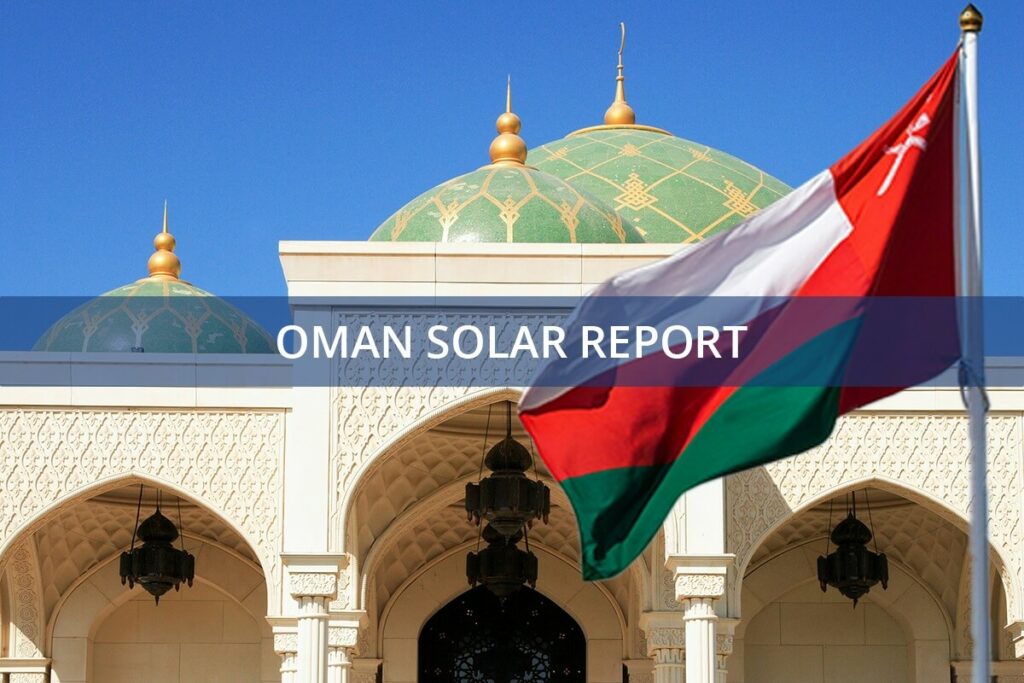
Oman has launched a fully automated solar module plant with an impressive annual capacity of 400 MW. The state-of-the-art plant, located in Salalah within the Al Mazyunah Free Zone, was officially opened by Dr. Said Bin Hamoud Al Maawali, Minister of Transport, Communications, and Information Technology. With an initial investment of OMR 16 million, a figure that reflects the typical solar panel manufacturing plant cost breakdown, the facility is set to play a key role in advancing the Sultanate’s renewable energy goals and supporting the local and international solar markets.
Advanced Technology and Operations at the Oman solar module plant
The facility represents a significant leap in regional manufacturing capabilities. It will be operated by American Advanced Clean Energy (AACE), signaling a strong focus on international standards and export markets. The production line itself was delivered by a leading Italian manufacturing firm, bringing top-tier European technology to the heart of Oman. This collaboration underscores the global nature of the solar industry and the basics of solar panel manufacturing on a world-class scale.
The plant is designed to produce a range of advanced, high-efficiency solar modules, including cutting-edge TOPCon and heterojunction (HJT) technologies. Its advanced automation ensures exceptional precision throughout the entire solar panel manufacturing process, from stringing and lamination to framing and final quality inspection. This is made possible by sophisticated solar panel manufacturing machines that guarantee both high efficiency and consistent product quality. The facility’s strategic location in a free zone provides seamless access to international markets, positioning it as a significant future hub for solar module exports.
Supporting Oman’s Renewable Energy Goals with the solar module plant
The launch of the solar module plant aligns perfectly with Oman’s Vision 2040, which emphasizes economic diversification and sustainable development. The facility is expected to contribute significantly to Oman’s renewable energy targets by providing a local source of high-quality, technologically advanced solar modules. These modules will be used in various solar projects across the Sultanate, reducing dependence on imported products and bolstering national energy security.
The plant’s production capacity of 400 MW will help meet the country’s growing energy needs while reducing carbon emissions. By supporting the development of renewable energy infrastructure with locally made components, the facility will play a crucial role in Oman’s transition to a low-carbon economy and a more resilient domestic supply chain.
Economic and Environmental Benefits of the Oman solar module plant
The solar module plant is expected to create numerous job opportunities for Omanis, particularly in the skilled fields of manufacturing, engineering, and renewable energy. The facility will also provide vital training and skill development programs to enhance the local workforce’s capabilities in advanced manufacturing technologies. This helps build a sustainable local ecosystem that extends to the sourcing and handling of solar panel raw materials.
In addition to its economic benefits, the plant will contribute to Oman’s environmental goals by supporting the development of clean energy projects. The use of locally manufactured solar modules will help reduce the carbon footprint of domestic solar energy projects by minimizing transportation and logistics, furthering the Sultanate’s commitment to sustainability.
Boosting Oman’s Position in the Global Solar Market with the new module plant
The launch of this solar module plant marks a significant milestone in Oman’s renewable energy journey. By enhancing local manufacturing capabilities, the facility is crucial for achieving the country’s energy diversification goals. The operator, AACE, intends to leverage Oman’s strategic location and favorable trade relationships, including with the United States, to export modules into key international markets like North America.
This development is part of a broader global trend toward diversifying solar supply chains. For homeowners and tenants in Germany, this is welcome news. A more geographically distributed manufacturing base can lead to greater price stability, improved supply chain resilience, and reduced risk of disruptions, ultimately making solar panel installations more reliable and accessible for end-users. The plant’s advanced technology and strategic vision position Oman not just as a regional leader, but as an emerging player in the global renewable energy sector, set to boost its economy and strengthen its reputation for sustainable development.
If you’re interested in diving deeper into how solar panels are made and the industry behind them, consider enrolling in our free e-course to expand your knowledge.