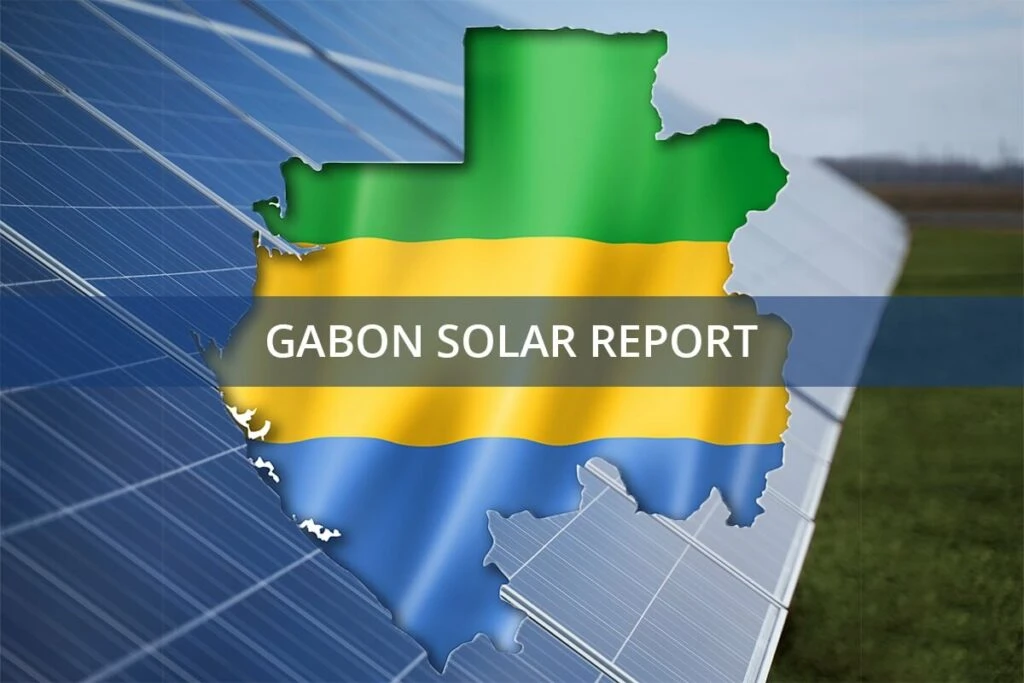
Gabon’s Owendo Mineral Port is advancing its low-emission goals with a $2.6 million investment from British International Investment to install a 1.56 MWp solar power system and a 1 MW battery storage system. Located 21 kilometres from Libreville, the project aims to reduce the port’s carbon footprint and enhance its operational efficiency.
British International Investment Funding
As part of its commitment to a low-emission economy, Gabon’s Owendo Mineral Port (OMP) is launching a major solar power initiative funded by a $2.6 million investment from British International Investment (BII). Located 21 kilometres from the capital city of Libreville, OMP is a crucial hub for mineral exports, and this project marks a significant step in its transition toward sustainable energy.
The planned installation includes a 1.56 megawatt peak (MWp) solar system—with solar panels mounted on the roofs of six workshops—and a 1 MW battery storage system. This initiative is expected to reduce CO2 emissions by over 1,700 tonnes annually, helping to optimize the port’s operational costs while lowering its reliance on fossil fuels.
Solar Power Transition: A Step Towards Decarbonisation Goal 2050
British International Investment, the UK’s development finance institution, is financing this project under a new partnership agreement with OMP. Geoffrey Manley, Director and Head of Energy Access and Efficiency at BII, expressed enthusiasm for the initiative. “We are delighted to have identified this value-added opportunity with OMP to help address climate challenges,” he said. Manley added that the project aligns with BII’s broader ambition to achieve a net-zero portfolio by 2050 and support the decarbonisation efforts of its partner companies.
BII’s financing followed an energy audit of OMP, which revealed the port’s current electricity demand is approximately 7,730 megawatt-hours (MWh). While the new solar installation represents a significant improvement, this figure underscores that substantial work is still needed to meet all of the port’s electricity requirements through renewables. As part of its comprehensive sustainable development strategy, the port is also focusing on electrifying its mechanical equipment and transport vehicles.
Gabon’s move toward solar energy is not limited to this project. The country has set ambitious goals for expanding its renewable energy use, aiming for annual carbon savings of around 3,000 tonnes through the development of hybrid solar power plants. This goal is part of a broader national vision to increase the country’s installed energy capacity to 1,200 MW by 2025. The plan calls for 80% of this capacity to come from renewable sources, including hydraulic and solar energy, and the remaining 20% from thermal sources, primarily gas.
Solar Energy Potential in Gabon
Gabon’s potential for solar energy is substantial, as its location near the equator provides high levels of solar irradiance throughout the year. This geographic advantage positions the country to become a leading player in the region’s solar sector.
The government’s commitment to expanding solar capacity reflects a growing recognition of renewable energy’s benefits, from reducing greenhouse gas emissions to fostering energy independence. As Gabon develops its renewable energy infrastructure, projects like the one at Owendo Mineral Port will play a crucial role in achieving national sustainability goals. The port’s integration of solar power is a tangible example of how investment in clean technology can drive progress. With support from British International Investment and a clear national vision for renewable energy, Gabon is making strides toward a more sustainable and energy-efficient future.