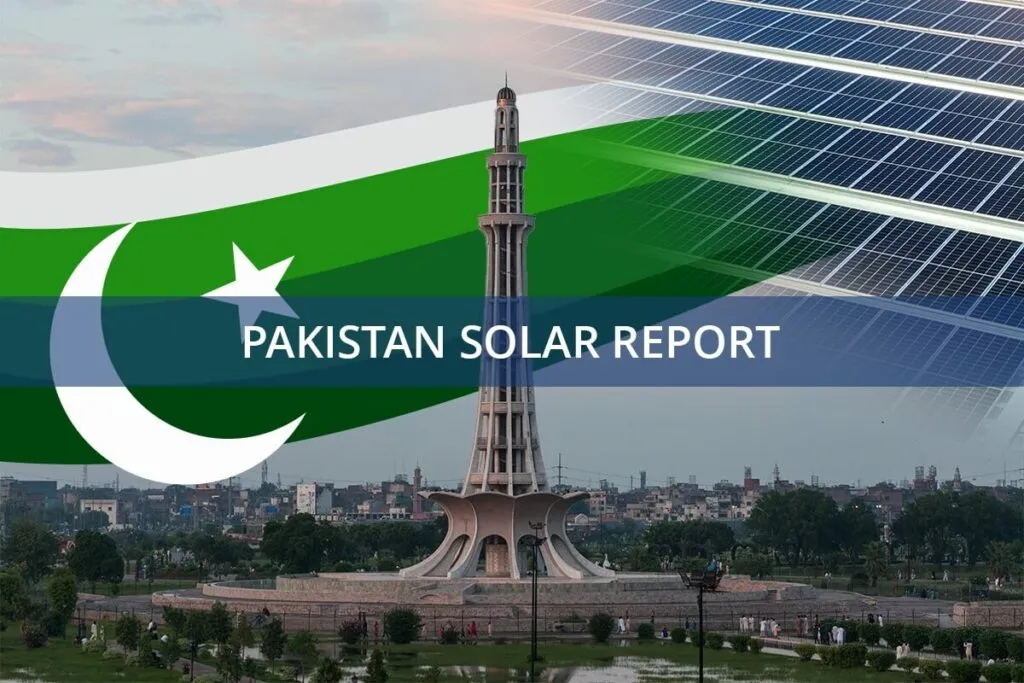
Pakistan is experiencing a remarkable surge in solar adoption, driven by a powerful combination of government support, economic pressures, and increasing demand among households and businesses to reduce energy costs and improve power reliability. The country is rapidly climbing the ranks to become a global leader in renewable energy, with Pakistan’s solar power generation has increased significantly and the nation now ranking 6th worldwide in the solar market—a stunning leap from just a few years ago.
Government Policies Boost Pakistan solar adoption
The Pakistani government has implemented several key policies to accelerate the transition to solar energy. These proactive measures include net metering, which allows consumers to sell excess solar power back to the grid, and crucial tax incentives on solar equipment that have lowered initial investment costs. Furthermore, the government has facilitated easier access to financing for solar projects, including interest-free loans, through partnerships with financial institutions. These Government Policies Supporting Pakistan Solar Power Initiatives have made solar energy more affordable and accessible for both residential and commercial users across the country.
Solar Panel Imports and Local Manufacturing
The consumer-led boom is reflected in the country’s import statistics. In the first seven months of 2024, Pakistan imported 15.21 million solar panels, totaling 3,685 megawatts of capacity—a 60% increase from the same period in 2023. The value of these imports reached $1.1 billion, up 33% from the previous year. Even more impressively, cumulative solar panel imports between 2019 and 2025 have surpassed Pakistan’s entire installed power plant capacity, signaling a massive shift in the energy landscape fueled by the widespread adoption of solar energy.
In parallel, Pakistan is ramping up local solar panel manufacturing. The country is expected to produce 3,500 megawatts of solar panels in 2024, continuing a steady increase from 3,000 MW in 2023 and 2,000 MW in 2021. This growth in domestic production is crucial for creating jobs and reducing reliance on imports. Understanding the basics of solar panel manufacturing reveals a complex supply chain, from sourcing quality solar panel raw materials to utilizing advanced solar panel manufacturing machines. The entire solar panel manufacturing process is becoming more localized, and investors are closely examining the solar panel manufacturing plant cost breakdown to further expand capacity.
Rising Demand for Solar Energy
The demand for solar energy in Pakistan is being supercharged by a perfect storm of economic factors. Soaring grid electricity tariffs, which have increased by as much as 155% in three years, and frequent power outages have pushed many households and businesses to seek a cost-effective and reliable alternative. This has sparked a grassroots, citizen-led energy revolution, with a significant boom in rooftop solar installations.
Adding to the momentum, the market has seen a sharp decline in the prices of complete solar systems, creating a strong buying opportunity for consumers. This trend is not confined to urban centers; Pakistan’s solar power capacity surges amid amazing demand in rural areas as well. This widespread adoption aligns with the government’s ambitious goal to generate 60% of the country’s energy from renewable sources by 2030.
The benefits of this transition are clear. Solar power reduces electricity costs, improves energy security by diversifying the power mix, and contributes significantly to environmental sustainability. With supportive policies and overwhelming consumer demand, solar power is set to play a pivotal role in Pakistan’s future energy landscape.
To learn more about how you can become part of the solar revolution, whether as a consumer or an industry professional, check out our free e-course on solar panel manufacturing.