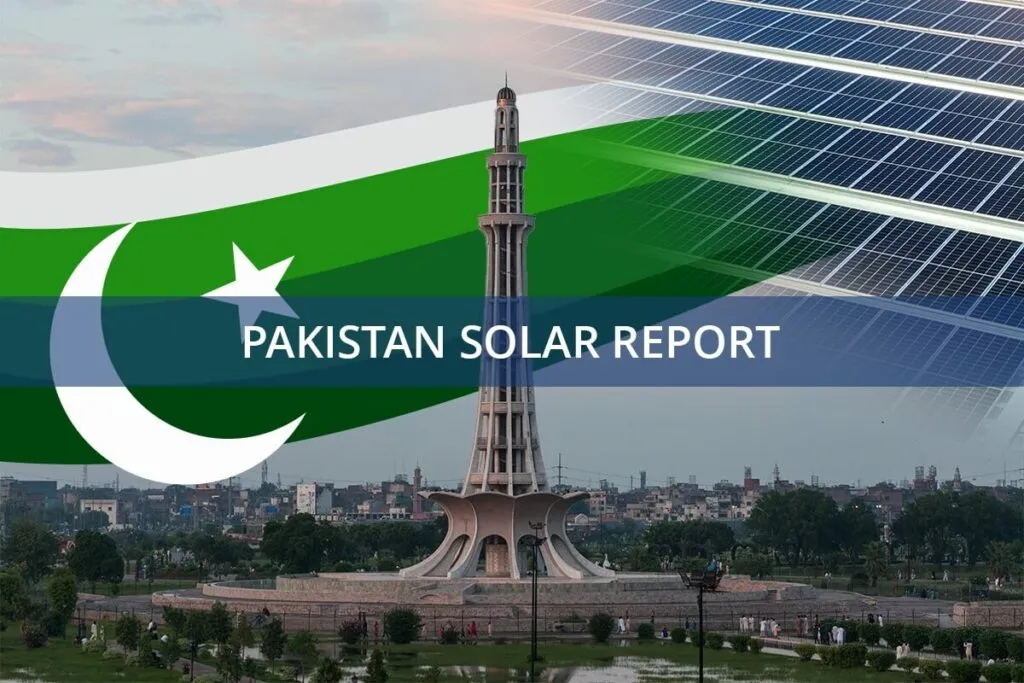
In a remarkable surge of renewable energy adoption, Pakistan’s solar capacity has expanded significantly, reaching an impressive 18 gigawatts (GW). This milestone, reported by the National Electric Power Regulatory Authority (Nepra), is not the result of large-scale government projects alone, but a powerful testament to a citizen-led energy revolution.
Frustrated by an expensive and often unreliable national electric grid, individuals and businesses across the country have taken matters into their own hands, driving a massive boom in off-grid and net-metered solar installations.
Key Points About Pakistan solar grid stability and Solar Boom
The rapid growth is a multifaceted story of necessity, opportunity, and technological accessibility. Here’s a breakdown of the key drivers and what this means for the nation’s energy landscape.
Capacity Breakdown and Citizen-Led Initiatives
The 18 GW figure is comprised of approximately 6,000 MW from net-metering systems connected to the grid and a massive 12,000 MW from off-grid installations, estimated through satellite imagery. This growth is staggering when compared to earlier figures; our Pakistan Solar Panel Manufacturing | Market Insights Report noted an installed capacity of just 882 MW in early 2024.
This explosive adoption has been largely driven by grassroots initiatives. With the availability of affordable Chinese solar panels and accessible online tutorials, many residents have installed systems without direct government assistance, fundamentally changing the country’s energy dynamics from the ground up. Understanding the basics of solar panel manufacturing helps clarify how this influx of affordable technology became possible.
Challenges and Opportunities
While this boom signifies a major step towards renewable energy, the rapid, decentralized growth poses significant challenges for national grid stability. The government is now tasked with finding effective ways to integrate these disparate systems. However, the opportunities are immense. The shift has already had a tangible economic impact, contributing to a 35% decrease in diesel consumption in a single year, particularly benefiting farmers who rely on it for irrigation.
Future Projections
The momentum is set to continue. According to the Pakistan solar power: Stunning 2025 Growth Projection, solar energy’s role will only expand, potentially accounting for a fifth of all generated electricity in the country by 2026. This trajectory positions Pakistan as a fascinating case study in the Global Solar Report on how developing nations can rapidly pivot to renewables.
Economic and Environmental Context for Pakistan solar grid stability
Pakistan’s solar surge is occurring against a backdrop of significant economic and environmental pressures.
- Climate Change: As one of the nations most vulnerable to the impacts of climate change, including severe floods and heatwaves, solar energy offers a critical and sustainable path away from fossil fuels.
- Economic Benefits: By reducing reliance on imported fuels and providing more stable, affordable electricity, the solar boom can mitigate the economic shocks of climate change and fluctuating global energy prices. The entire solar panel manufacturing process is becoming more efficient, making the end product more accessible.
- Global Implications: Pakistan’s experience offers a potential blueprint for other countries facing similar energy and climate challenges, demonstrating how a combination of market forces and citizen demand can accelerate the green transition.
This remarkable energy transformation underscores a pivotal shift in how power is generated and consumed. To dive deeper into the world of solar technology, from the raw materials to the final product, explore our free e-course on solar panel manufacturing.