Papua New Guinea’s Highlands have long been a region of profound energy poverty, with only 13% of the population having access to reliable power. For decades, homes relied on the dim, flickering light of kerosene lamps, candles, and firewood. However, a new initiative is bringing clean, solar-powered electricity to rural homes, transforming daily life for thousands.
The PNG Power Ltd (PPL) Solar Kit project is a groundbreaking initiative aimed at providing affordable and clean energy to these underserved rural communities. The project, which began in 2019, is a key component of the Electricity Sector Development Project (ESDP), co-funded by the World Bank and implemented by PPL.
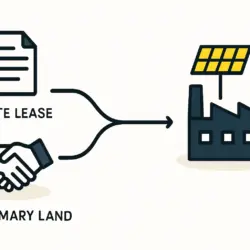
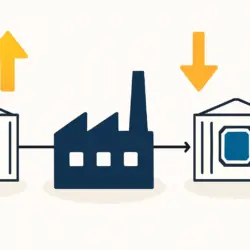
The Solar Kit project offers households two distinct options: a 5-amp package and a 10-amp package. The 5-amp package includes three lights, while the 10-amp package provides five lights. Both packages come complete with a control box, a switch, and a solar panel. The panel itself is a marvel of modern engineering, created through a sophisticated manufacturing process that turns basic raw materials into a source of clean energy. The 5-amp package costs just over K400, while the 10-amp package is priced at just over K700.
These kits, which include photovoltaic panels and crucial battery storage, allow residents to harness solar energy during the day and use the stored power after sunset, providing at least three hours of free electricity daily. The project’s goal is to make solar-powered electricity accessible to as many rural households as possible, with the first phase targeting 5,000 households across the Highlands region.
A Bright Future with PNG solar kits for the Highlands
The introduction of solar power has been a game-changer for many families. In Tambul, a rural village in the Western Highlands, families can now keep their homes safely lit at night without the fumes and fire risk of kerosene lamps. This has significantly improved living conditions, especially for children who now have reliable light to study after dark.
In the village of Goglme, located in the Kundiawa-Gembogl district of Simbu province, 70-year-old Kelaa Urei and his wife, Maria, are among the first to benefit. The couple, living in a remote area far from the national grid, received a 10-amp solar kit. For the first time in their lives, they have electric light in their home.
Before the solar kit, Kelaa and Maria relied on kerosene lamps, which were not only expensive but also hazardous. Maria recalls the frustration of lamps running out of oil, plunging them into darkness. Now, with the solar kit, their home is brightly and reliably lit every evening.
Affordability and Accessibility of PNG solar kits
One of the project’s key successes is its affordability. The one-time cost of the kits is significantly lower than the recurring expense of kerosene, candles, or firewood. This economic relief makes it easier for families to transition to a cleaner, safer, and more sustainable source of energy. Understanding the basics of solar panel manufacturing helps to appreciate how technological advancements have made such low-cost solutions possible.
The World Bank’s Country Manager for Papua New Guinea, Djaffar Moussa-Elkadhum, highlighted the project’s critical role in bridging the energy gap in rural areas. He noted that the initiative is bringing light to communities that have been in darkness for decades.
PNG Power’s Acting Chief Executive Officer, Obed Batia, emphasized the company’s commitment to expanding electricity access across the country. He assured the people of Papua New Guinea that PPL is working diligently to extend power lines to more rural areas, with off-grid solutions like solar kits playing a vital role.
Future Expansions of PNG solar kits
The success of the Solar Kit project in the Highlands has paved the way for its expansion into other regions. PNG Power plans to roll out the project to the Momase, New Guinea Islands, and Southern regions in the coming months. This expansion is expected to provide thousands more households with access to life-changing solar-powered electricity.
The Solar Kit project is not just about providing electricity; it is about transforming lives. For families like Kelaa and Maria Urei, the project has brought a new sense of hope and optimism. They no longer have to worry about the cost of fuel or the dangers of open flames. Instead, they can enjoy the simple, profound pleasure of a well-lit home.
This initiative is a testament to the power of innovation and collaboration. By working together, the World Bank, PNG Power, and the government of Papua New Guinea are bringing light to some of the country’s most remote communities. As the project continues to expand, it promises to brighten the lives of many more families for years to come.
As this project demonstrates the profound impact of solar energy, you might be curious to learn more. To deepen your understanding of this transformative technology, consider enrolling in our free e-course on solar energy fundamentals.