Pristina’s Landmark €80M Investment in Pristina solar heating
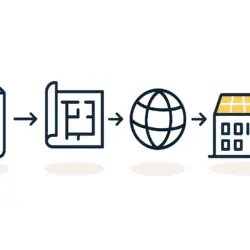
Pristina is taking a monumental step towards a sustainable future with the finalization of an agreement worth over €80 million for a new solar heating plant. The deal, signed by Kosovo’s Ministry of Finance and the district heating company Termokosi, and backed by the European Bank for Reconstruction and Development (EBRD), marks a significant commitment to renewable energy. This ambitious initiative is set to provide clean, reliable heating for approximately 38,000 citizens in the capital, drastically reducing the region’s dependence on fossil fuels and boosting overall energy efficiency.
A Greener Future with Pristina solar heating
The project is more than just an infrastructure upgrade; it’s a strategic move to secure a cleaner energy supply for Kosovo’s capital. By harnessing the power of the sun, the plant will directly combat air pollution and contribute to the country’s climate goals. This large-scale investment in solar thermal technology positions Pristina as a leader in sustainable urban development within the Western Balkans, showcasing a practical and impactful path away from coal- and gas-based heating systems.
What This Means for Residents: Pristina solar heating in Germany
For homeowners and tenants in Germany, where district heating (Fernwärme) is a common feature of the urban landscape, the Pristina project offers a compelling glimpse into the future. Many German cities are actively seeking ways to decarbonize their own district heating networks. This project serves as a powerful case study, demonstrating how solar thermal energy can be integrated on a massive scale to provide green heat to thousands of households.
It highlights a crucial aspect of the energy transition (Energiewende): while individual rooftop solar installations are vital, large-scale municipal projects are essential for transforming the energy grid for entire communities. The success in Pristina could inspire similar, bold initiatives in German municipalities looking to upgrade their Fernwärme systems.
Solar Thermal vs. Solar PV: Understanding Pristina solar heating Technology
It’s important to distinguish the technology used in Pristina from the solar panels commonly seen on residential roofs. The new plant utilizes solar thermal collectors, which absorb sunlight to heat a fluid that transfers warmth into the district heating network.
This differs from photovoltaic (PV) panels, which convert sunlight directly into electricity. The two technologies serve different but complementary purposes in our energy transition. The PV panels many are familiar with have a complex manufacturing process designed for electricity generation. Understanding the basics of solar panel manufacturing reveals the precision required to turn raw materials into power-producing cells.
The supply chain for these technologies is also distinct, with specific solar panel raw materials like silicon being central to PV production. The industrial scale-up of solar energy relies on sophisticated solar panel manufacturing machines to meet global demand. While the €80 million investment in Pristina covers a heating plant, it provides a sense of the capital required for such green infrastructure, which can be compared to the detailed solar panel manufacturing plant cost breakdown for PV facilities.
A Bright Outlook Thanks to Pristina solar heating for Sustainable Energy
The Pristina solar heating plant is a landmark project that underscores a broader European commitment to renewable energy. It demonstrates that with strategic investment and international cooperation, cities can make significant strides in decarbonizing their energy systems. As this project moves forward, it will not only provide clean heat to thousands but also serve as an inspiring model for a sustainable, energy-independent future.
If you’re interested in deepening your understanding of how solar technology is made and its role in our energy future, consider exploring our free e-course on the subject.