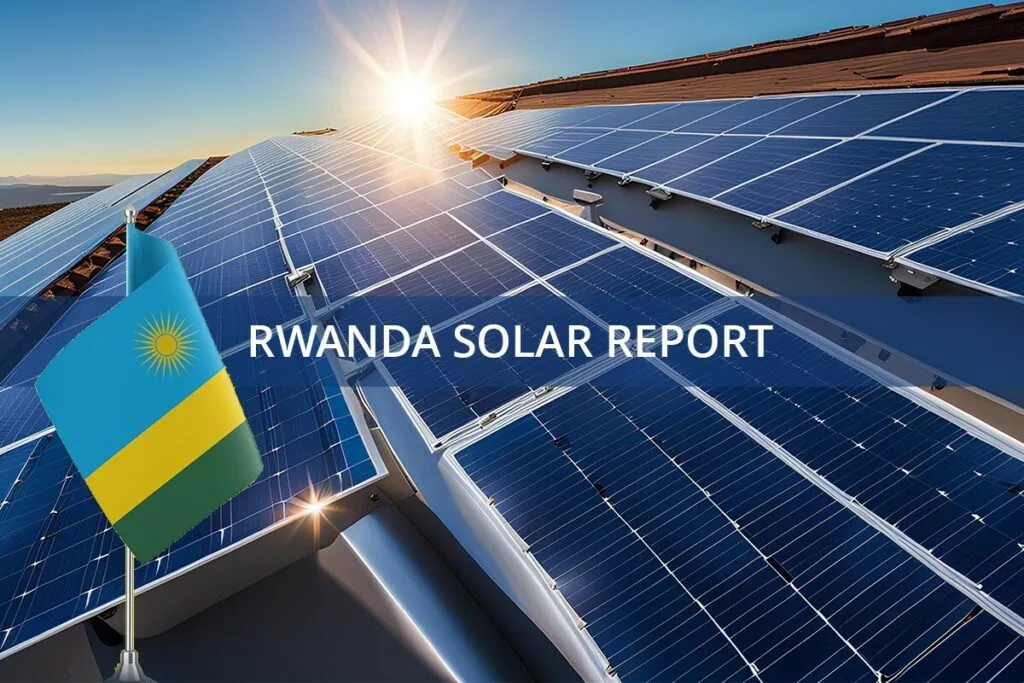
Rwanda has launched a new Renewable Energy Policy, a strategic move designed to significantly increase its clean energy capacity and achieve universal electricity access for its citizens. This initiative aims to diversify the nation’s energy sources, paving the way for a more sustainable and economically robust future.
Policy Goals and Implementation for Rwanda Renewable Energy
The newly launched policy is a cornerstone of Rwanda’s broader strategy to reduce its reliance on fossil fuels and embrace a sustainable energy future. The government’s ambition is to dramatically increase the share of renewables in the national energy mix by 2030, moving beyond its current composition of 51.5% hydro, 48% thermal, and 0.5% solar power. To achieve this, the plan is to aggressively incorporate more diverse renewable options, with a strong focus on wind, solar, and geothermal energy.
This national effort aligns with wider continental goals, such as the African Union’s commitment to bring 300 gigawatts of renewable energy online by 2030. The policy is designed to guide the development and implementation of renewable projects, ensuring their seamless integration into the national grid. It establishes a clear regulatory framework and provides incentives to attract private investment into the sector.
Furthermore, the government has set an ambitious target to achieve 100% electrification by 2030. Currently, Rwanda’s nationwide electrification rate stands at 50.9%, with 38% of the population connected to the grid and 12.9% using off-grid solutions. This energy policy is also a critical enabler for other green initiatives, such as the country’s progressive push towards sustainable urban mobility through electric vehicles (EVs).
Renewable Energy Projects in Rwanda
To turn these goals into reality, Rwanda has already embarked on several key renewable energy projects. A notable initiative is the $50 million renewable energy fund dedicated to supporting solar energy development. This fund provides affordable financing to off-grid solar companies and mini-grid developers, accelerating the deployment of solar solutions in rural areas. Supporting these companies stimulates local demand for solar panels, creating opportunities to understand the basics of solar panel manufacturing and the complex solar panel manufacturing process that transforms key solar panel raw materials into clean energy technology.
In addition to solar, Rwanda is actively exploring its wind and geothermal potential. The country has identified several sites with high wind energy capacity and is conducting feasibility studies to assess their viability. Geothermal exploration is also underway, with plans to develop power plants in the western and northern regions.
Hydropower remains a vital part of the strategy. The recent commissioning of the 80 MW Regional Rusumo Falls Hydroelectric Project is a significant step, expected to substantially boost the national energy supply and improve grid stability.
Impact on the Economy and Environment
The Renewable Energy Policy is poised to have a profound impact on Rwanda’s economy and environment. By increasing its clean energy share, the country will significantly reduce its carbon footprint and mitigate the effects of climate change. This transition enhances energy security by lowering dependence on volatile and costly imported fossil fuels.
Economically, the policy is expected to be a powerful engine for growth. It will create thousands of jobs across the renewable energy value chain, from project management and engineering to installation and maintenance. For potential investors, understanding the solar panel manufacturing plant cost breakdown reveals the financial opportunities within this expanding sector.
This focus on renewables is perfectly aligned with Rwanda’s Vision 2050, which aims to transform the nation into a high-income, climate-resilient country. Lower and more stable energy costs will make Rwanda a more attractive destination for foreign investment and fuel industrial growth.
Challenges and Opportunities in Rwanda renewable energy
Despite the clear vision and ambitious targets, Rwanda faces challenges. The high upfront capital costs associated with renewable energy projects and the limited availability of local financing are significant hurdles. The intricate logistics of sourcing and deploying specialized solar panel manufacturing machines also present complexities.
However, these challenges are being met with strategic solutions. The government’s renewable energy fund, coupled with strong international partnerships with organizations like the UNDP and the Green Climate Fund, is expected to bridge the financing gap.
The Renewable Energy Policy provides a clear and compelling roadmap for the future. By championing clean energy, Rwanda is not only securing its own energy independence but also positioning itself as a leader in sustainable development in Africa. This policy sends a strong signal to the global community that Rwanda is open for green investment and is committed to building a resilient, prosperous, and green economy.
For those inspired by Rwanda’s solar ambitions and interested in delving deeper into the technology driving this change, understanding the production side is key. You can start your journey with our free e-course on solar panel manufacturing.