Rwanda’s Green Revolution: Exploring Rwanda renewable energy incentives
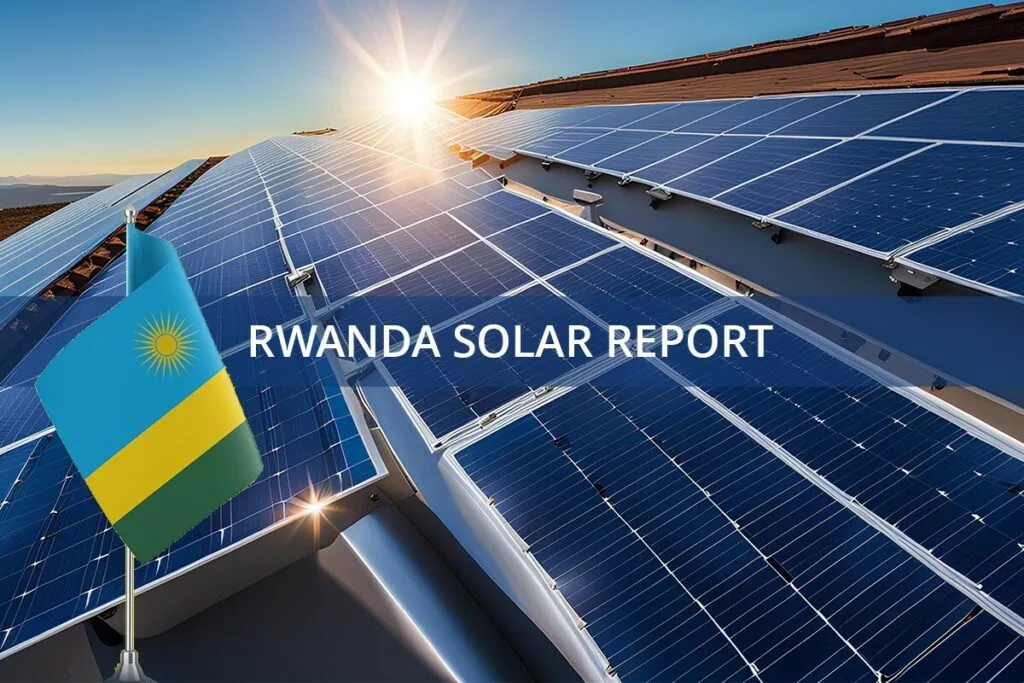
Rwanda is taking decisive action to accelerate its transition to a sustainable future by offering significant tax exemptions on renewable energy equipment. This strategic move aims to encourage substantial investment in solar, wind, and hydropower projects, fundamentally reducing the nation’s dependence on fossil fuels and expanding energy access for its citizens. The initiative is a cornerstone of the government’s comprehensive plan to diversify its energy mix and build a resilient, green economy.
A Closer Look at the New Energy Policy and Rwanda renewable energy incentives
Under its updated Renewable Energy Policy 2025, Rwanda is rolling out one of the most attractive incentive packages in the region. The policy includes a full 10-year corporate tax exemption for all government and private renewable energy producers. This initial decade is followed by an additional five years of partial tax exemption, providing a long-term, stable environment for investors.
This clear financial incentive is designed to attract both domestic and international capital. For entities considering entering this burgeoning market, understanding the financial landscape is critical, starting with a clear picture of the solar panel manufacturing plant cost breakdown to accurately forecast investment returns.
Empowering Citizens and Businesses with Rwanda renewable energy incentives
A key feature of Rwanda’s strategy is its inclusivity. The policy actively supports residential, industrial, and commercial customers in installing their own renewable energy systems, particularly rooftop solar panels. This is facilitated by the country’s Net Metering Guidelines, which allow individuals and businesses to sell any surplus power they generate back to the grid.
This approach not only decentralizes energy production but also empowers citizens to become active participants in the green transition. It fosters a local industry around installation and maintenance, built upon the basics of solar panel manufacturing and an understanding of the complete solar panel manufacturing process.
Beyond Energy Generation: A Holistic Green Strategy with Rwanda renewable energy incentives
Rwanda’s vision extends beyond just electricity generation. The government is integrating these energy incentives into a broader climate tech strategy, which includes offering tax breaks for electric vehicles (EVs) and their components. This holistic approach tackles both energy and transportation emissions, creating a powerful synergy for decarbonization.
By promoting local production, the policy aims to build a self-sufficient supply chain. This involves everything from sourcing solar panel raw materials to investing in the advanced solar panel manufacturing machines required to scale up domestic capacity.
Lessons for Germany’s Energiewende: The impact of Rwanda renewable energy incentives
For homeowners and tenants in Germany, Rwanda’s strategy offers an interesting perspective. While Germany has long been a leader in its own Energiewende (energy transition), Rwanda’s clear, long-term, and multi-faceted incentive structure presents a compelling model for accelerating change. The emphasis on net metering, a concept familiar to German “prosumers,” demonstrates a shared principle of empowering citizens. Rwanda’s ambitious, integrated approach to linking renewable energy with clean mobility serves as a powerful case study for how policies can be designed to create comprehensive and rapid decarbonization across multiple sectors.
This comprehensive strategy, with its robust tax exemptions, is designed to attract significant investment, stimulate local renewable energy production, and firmly support Rwanda’s transition to a greener, more sustainable energy mix.
For those inspired by these developments and looking to deepen their own understanding of solar technology, from production to policy, our free e-course offers a comprehensive introduction.