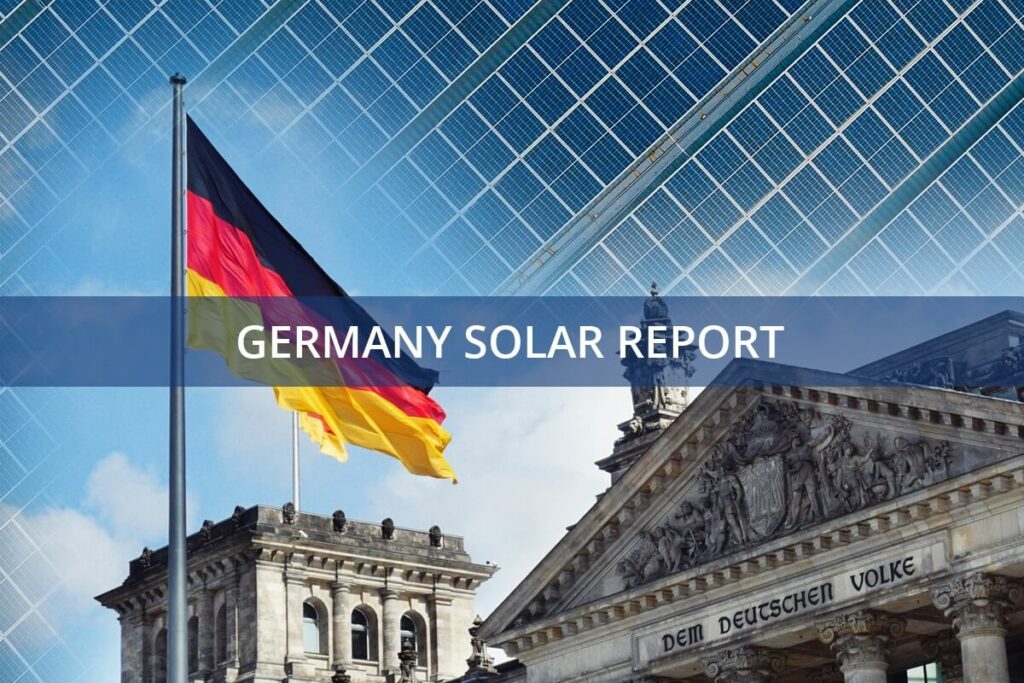
Germany is embarking on a transformative initiative to convert its extensive motorway network into a vast source of clean energy, a move aimed at accelerating its national energy transition. A landmark study by the Federal Highway Research Institute (BASt), commissioned by the Transport Ministry, has identified approximately 250,000 potential locations along highways suitable for deploying solar panels, setting the stage for a massive expansion of the country’s renewable capacity.
How Solar Panels on German Highways Could Revolutionize Renewable Energy
The scale of this opportunity is significant. The comprehensive study estimates that these roadside areas could generate up to 48 gigawatts (GW) of power. Further potential exists on sound barriers (4.2 GW) and adjacent car parks (1.2 GW). This untapped potential could substantially boost Germany’s cumulative installed solar capacity, which stood at roughly 96 GW by late 2024, and is a critical step towards achieving the national goal of 215 GW of solar installations by 2030. Some research, like that from the Fraunhofer Institute for Solar Energy Systems, suggests an even higher ceiling, calculating that utilizing just 5% of land covered by transport routes could yield 300 GW of additional photovoltaic output.
From Feasibility to Implementation
The concept is already moving beyond theory and into practice. A feasibility study by Drees & Sommer has already confirmed that a 24-megawatt pilot project along a 30-kilometer stretch of motorway in North Rhine-Westphalia is “legally, technically, and economically viable.” Meanwhile, major energy companies like RWE are actively commissioning large-scale solar farms alongside motorways. One such project involves 141,000 solar modules, generating enough electricity to supply 27,700 German households, with a second phase already planned for 2026.
Strategic Collaboration and Legislative Support
This ambitious push is underpinned by strong legislative support and a clear strategic vision. A 2023 law streamlined the legal framework for solar installation along transportation corridors, while recent policy changes have relaxed previous restrictions, opening up more land for development. The state-owned motorway operator, Autobahn GmbH, is a key partner in this effort, aiming to achieve climate neutrality in its own operations by 2040. Susanne Henckel, a senior official at the Transport Ministry, has emphasized that solar generation must become a core component of all future motorway construction and expansion projects. To facilitate this, the ministry is working with Autobahn GmbH to create a detailed catalog of all available land, ensuring efficient planning and execution. By leveraging existing infrastructure, Germany aims to minimize land-use conflicts and accelerate its path to carbon neutrality.
Sources
- Pilot project in Germany: Solar systems along motorways
- How Are Motorways Generating Solar Energy in Germany?
- Study shows solar motorways a viable solution for Germany
- Germany eyes solar panels on motorways
- Renewables in Germany’s Energy Transition | Agora Energiewende
- High potential for solar expansion along Germany’s highways – report
- Energy Transition: Transforming High-Speed Motorways into Solar …
- Up to 48GW of solar PV potential along Germany’s highways – study
- RWE commissions large-scale solar farms alongside German …