Kenya’s Agricultural Sector Transformation through Solar power agriculture Kenya: Impressive SoLAR Phase II
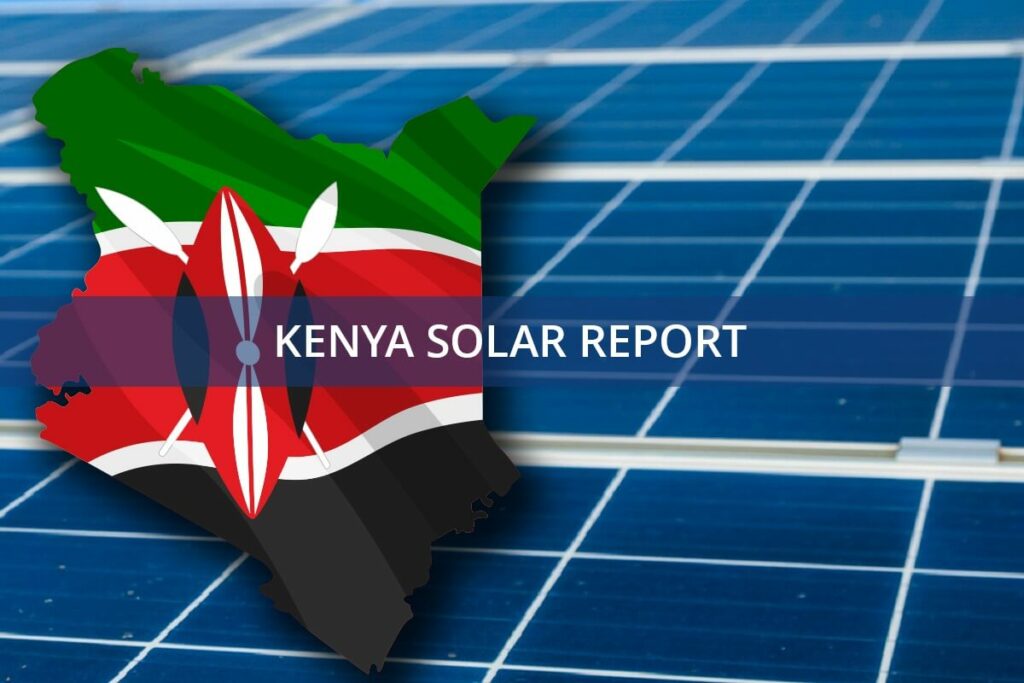
Kenya is taking a decisive step towards a climate-resilient agricultural future with the official launch of the Solar Energy for Agricultural Resilience (SoLAR) Phase II project. Unveiled at an inception workshop on October 1, 2025, this ambitious initiative aims to significantly scale up the use of solar-powered solutions to enhance productivity and sustainability for the nation’s smallholder farmers. The project is being implemented by the International Water Management Institute (IWMI) with crucial backing from the Swiss Agency for Development and Cooperation (SDC), highlighting strong international collaboration.
Project Scope and Strategic Goals for Solar power agriculture Kenya: Impressive SoLAR Phase II
The SoLAR Phase II is a comprehensive, USD 2.5 million program set to run until December 2028. Its reach extends beyond Kenya to include Ethiopia, India, Bangladesh, and other South Asian countries, building on the successes of its initial phase. The core mission is to transform food systems by replacing fossil-fuel dependence with clean, reliable solar energy for irrigation, processing, and storage. This shift is expected to bolster food security and drive sustainable economic development, contributing to the broader narrative of advancements detailed in our Kenya solar news coverage.
At the heart of this initiative is proven solar technology. The effectiveness of these systems depends on a robust manufacturing process, a solid understanding of the basics of manufacturing, and the use of high-quality raw materials. As Kenya’s solar generation capacity hits record levels, the project will also foster opportunities for localizing the supply chain through solar manufacturing in Kenya.
Innovative Approaches and Local Empowerment via Solar power agriculture Kenya: Impressive SoLAR Phase II
A key strategy being deployed in Kenya is agrivoltaics, which involves elevating solar panels above crops. This dual-use approach is highly efficient, generating clean power while also reducing soil evaporation by as much as 47% and boosting crop yields. To ensure the solutions are tailored to local needs, SoLAR Phase II will establish “Living Labs” for co-designing innovations with farming communities. According to Dr. Inga Jacobs-Mata of IWMI, this approach is vital for transforming food systems. Furthermore, the project emphasizes capacity building, offering training on installation, maintenance, and water efficiency to create a network of skilled local technicians.
A Model for Global Climate Resilience with Solar power agriculture Kenya: Impressive SoLAR Phase II
The SoLAR Phase II initiative is a powerful demonstration of how targeted renewable energy applications can address fundamental global challenges like food and water security. Eng. Vincent Kabuti, Kenya’s Irrigation Secretary, lauded the project for its potential to provide reliable water access for crops, livestock, and aquaculture. This forward-thinking model of climate-smart agriculture positions Kenya as an innovator on the world stage. Understanding the technology that makes this possible, from the specialized manufacturing machines to a full plant cost breakdown, reveals the complexity behind this simple solution. For those inspired to learn more about creating these powerful tools, we invite you to explore our free e-course on the subject.
Sources
- Solar Power Project to Boost Irrigation and Food Security in …
- Solar Power Project to Enhance Kenya’s Farming Resilience
- Solar Energy for Agricultural Resilience (SoLAR) Phase II …
- Kenya scales up climate-resilient farming as SoLAR II …
- How SoLAR Phase II Is Driving Sustainable Irrigation
- Phase – 2 – Solar Irrigation for Agricultural Resilience (SoLAR)
- SoLAR Phase II launched to scale climate-resilient …
- Solar Energy for Agriculture Resilience (SoLAR)
- Solarizing will make agriculture resilient in South Asia and …
- SoLAR Phase II: Powering Climate-Resilient Agriculture in …