The Flow of Progress: How Mozambique is Tackling Water Scarcity with Solar water
Mozambique has made commendable strides in expanding access to drinking water in recent years, with national coverage rising from 49% in 2009 to 74% in 2019. Despite this progress, significant challenges persist, particularly in rural areas where an estimated 43% of the population still lacks reliable access to safe drinking water. This disparity highlights the ongoing need for targeted investment and innovative solutions to bridge the gap.
World Bank’s Support for Solar water Mozambique Access
International partners have been crucial in supporting Mozambique’s ambitions. The World Bank, for instance, has a long history of backing the nation’s efforts through initiatives like the Water Services and Institutional Support (WASIS) Project. More recently, the bank approved a $150 million credit for the Mozambique Urban and Rural Water Resilience Project. This significant funding is designed to accelerate progress by increasing access to safe water in both urban and rural communities, with a clear focus on serving vulnerable populations and bolstering climate resilience.
The Mozambique Urban and Rural Water Resilience Project is a multi-faceted initiative aimed at upgrading the country’s water supply infrastructure. In small towns and rural areas, it will focus on expanding water production and distribution networks, improving the performance of local utilities, and proactively addressing climate-related risks like droughts and floods. In rural zones specifically, the project will work to increase access points for safe water, strengthen local water management practices, and build community resilience against environmental shocks.
A key component of this project is its emphasis on institutional capacity building. A particular focus is on AIAS, the government agency responsible for water supply in small towns. The investment will help improve AIAS’s operational capabilities in managing complex water systems, ensuring the long-term sustainability of the new infrastructure.
The preceding WASIS II project has already delivered tangible results. In the cities of Beira, Nampula, Quelimane, and Tete, an estimated 300,000 people have gained access to improved water sources through the construction of over 200 water standpipes and the installation of more than 30,000 household connections. Furthermore, the World Bank’s technical assistance to Mozambique’s Water Supply Investment and Asset Fund (FIPAG) has been instrumental in strengthening the institutional framework for water supply across the country.
Solar-Powered Water Systems: A Sustainable Solution for Mozambique
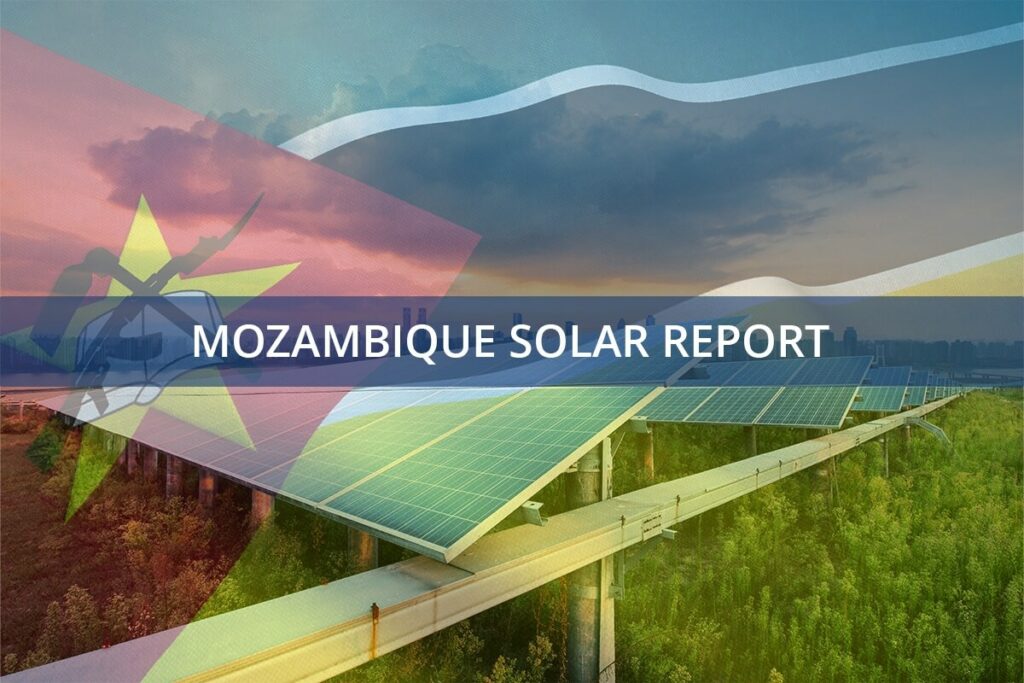
As Mozambique confronts its water challenges, solar-powered water systems are emerging as a game-changing and sustainable solution. These systems leverage the basics of solar panel manufacturing to create a reliable energy source for pumping water from underground sources to storage tanks, which then supply communities through standpipes or household connections.
A powerful example of this technology’s impact can be seen in the rural community of Muvamba. Before recent interventions, over half the households faced arduous journeys of one to three hours to collect water. This daily burden fell disproportionately on women and girls, limiting their opportunities for education and economic activities while exposing them to physical strain and safety risks.
Through the Water for All Project, the rehabilitation of 11 handpumps and the installation of a new solar-powered water system have transformed daily life. The average walking time for water collection has been slashed to under an hour, with many households now able to access water in less than 30 minutes. This has not only improved health and safety but has also restored dignity and freed up invaluable time for women to engage in agriculture and for children to focus on their studies.
This approach is not isolated. In the cyclone-affected provinces of Nampula and Zambezia, solar energy is being used to improve the efficiency of humanitarian water supply interventions, ensuring that even in disaster scenarios, communities have access to this critical resource. These efforts in Mozambique mirror a broader regional trend, as neighboring countries like Eswatini also leverage renewable technology; a recent report shows how Eswatini to Expand Off‑Grid Solar Access in 2024 to empower its rural communities.
Mozambique’s journey toward universal water access is a testament to the power of strategic partnerships and technological innovation. With continued support from organizations like the World Bank and the widespread adoption of sustainable solutions such as solar-powered water systems, the country is steadily advancing toward its goal of ensuring safe and accessible drinking water for all its citizens by 2030.
If you’re inspired by how solar technology is transforming lives and want to learn more about its foundational principles, consider enrolling in our free e-course on solar panel manufacturing.