Enhancing Solomon Islands solar power with Global Support
The Solomon Islands is taking a significant step towards a sustainable energy future by enhancing its solar power capacity. This ambitious initiative, backed by crucial support from the Asian Development Bank (ADB) and the Saudi Fund for Development, is set to reduce the nation’s reliance on imported fossil fuels and pave the way for greater energy security. The project focuses on constructing new solar plants, integrating advanced battery storage systems, and upgrading existing distribution networks to significantly increase the country’s renewable energy output.
The Scope and Impact of Solomon Islands solar power Initiative
To power this green transition, the ADB approved a substantial funding package in 2024, consisting of a $10 million loan and a $5 million grant. This is further bolstered by an additional $10 million in co-financing from the Saudi Fund for Development. The investment will primarily finance the development of new renewable energy facilities in the densely populated provinces of Guadalcanal and Malaita.
Currently, the Pacific island nation is heavily dependent on imported fossil fuels, with renewables accounting for a mere 2% of its energy mix. This leaves the country vulnerable to global supply chain disruptions and volatile price fluctuations. This new project aims to change that by supplying at least 3 gigawatt-hours of clean solar power annually, which will help reduce electricity costs for residents and lower national carbon dioxide emissions.
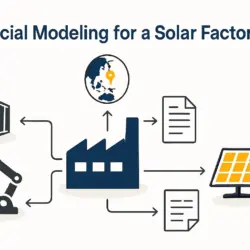
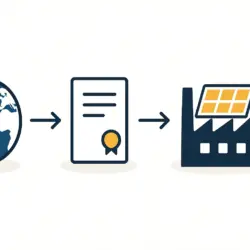
Building these new solar facilities is a complex undertaking. A successful utility-scale solar project requires a deep understanding of the entire manufacturing process, from the fundamental basics of solar panel manufacturing to the intricate logistics of sourcing high-quality solar panel raw materials. The deployment of specialized solar panel manufacturing machines is also critical to achieving the scale needed for this project. The significant international funding is essential, as a typical solar panel manufacturing plant cost breakdown reveals the major capital investment required for such infrastructure. Beyond construction, the initiative will support vital sector reforms and encourage public-private partnerships to fortify the country’s long-term energy infrastructure.
What This Means for Germany and the Global Solomon Islands solar power Transition
The Solomon Islands’ push for solar energy reflects a broader global movement towards renewable resources—a trend that is also strongly embraced in Germany. While this project addresses energy challenges on a national scale for an island nation, it highlights the universal benefits of solar power: energy independence, cost stability, and environmental protection.
For homeowners and tenants in Germany, this global trend translates into local opportunities. Policies like the EEG-levy exemption and support for “balcony power plants” (Balkonkraftwerke) empower individuals to participate in the energy transition. Just as the Solomon Islands is building a more resilient national grid, German residents can increase their own energy resilience and reduce their carbon footprint by adopting rooftop or balcony solar solutions. This demonstrates how the principles of renewable energy can be applied effectively at every scale, from a single apartment to an entire nation.
This initiative in the Pacific is a powerful example of how international cooperation and strategic investment can accelerate the transition to a more sustainable and resilient energy future.
To learn more about the technology and processes behind solar energy projects, from large-scale plants to residential systems, explore our comprehensive free e-course.