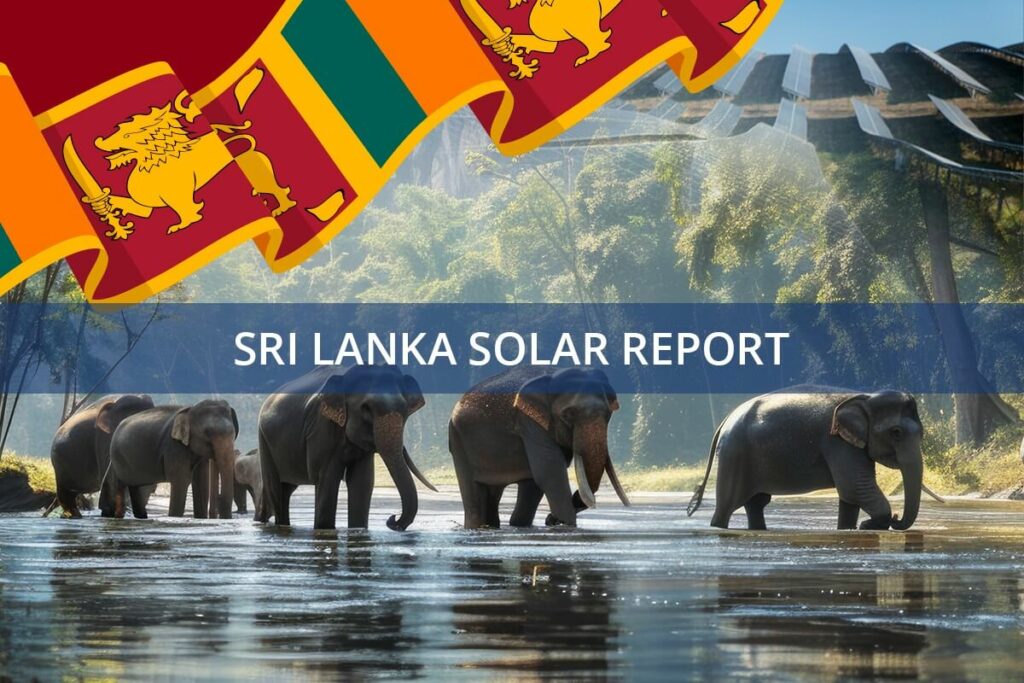
Sri Lanka’s renewable energy share in its electricity generation mix saw a concerning dip to 41% in the first half of 2023, down from 44% in 2022, according to data from the Public Utilities Commission of Sri Lanka (PUCSL). This trend highlights the ongoing challenges the nation faces in transitioning to a cleaner energy future.
While the annual figures show a decline, the situation is dynamic. More recent data reveals significant monthly fluctuations, often driven by economic activity and energy demand. For instance, the renewable share dropped from 73% in June 2025 to 66% in July 2025 as the economy recovered and electricity demand rose, necessitating a greater reliance on fossil fuels to bridge the gap.
Non-Conventional Renewable Energy (NCRE) sources contributed 1,702 GWh to the total electricity generation of 10,562 GWh in the first half of 2023, underscoring the challenges in scaling these crucial technologies.
Fluctuations in Renewable Energy Share for Sri Lanka Solar Power
The 2023 data reveals a complex picture of Sri Lanka’s renewable energy contribution. Despite the country’s abundant natural resources, including hydropower, solar, and wind, the overall share of renewables has faced headwinds.
In 2022, renewable energy accounted for a respectable 44% of total electricity generation. However, the fall to 41% in the first half of 2023 signaled a worrying trend, particularly for Non-Conventional Renewable Energy (NCRE) sources. This volatility is a key challenge; as demand increases during periods of economic recovery, the grid often falls back on traditional power sources, causing the renewable share to dip.
Rise in Fossil Fuel Use and Sri Lanka Solar Power
The decline in the renewable energy share is directly linked to an increase in electricity generation from fossil fuels. During the first half of 2023, fossil fuel generation climbed to 5,529 GWh, up from 5,286 GWh in the same period of 2022.
This increase pushed fossil fuel’s contribution from 50% to 52% of the total energy mix, indicating a temporary shift away from cleaner sources. Recent monthly data reinforces this, showing that surges in demand were met by ramping up fuel oil and coal generation, undermining progress made in previous years.
Impact on the Environment and Economy of Sri Lanka Solar Power
The increased reliance on fossil fuels has significant environmental and economic repercussions. The Ceylon Electricity Board (CEB) reported a substantial rise in fuel expenses for electricity generation, with costs soaring from Rs. 17,601 million in May 2022 to Rs. 26,399 million in May 2023.
This surge in expenditure places a heavy burden on the national economy, contributes to higher electricity tariffs for consumers and businesses, and increases vulnerability to volatile global fuel prices. Furthermore, high construction and energy costs have been cited as major deterrents for new investment in large-scale projects, including in the renewable sector. For potential investors, understanding the complete solar panel manufacturing plant cost breakdown is essential to navigating these financial challenges.
Government Policy and Future Prospects for Sri Lanka Solar Power
While progress towards Sri Lanka’s ambitious target of 70% renewable energy by 2030 has been slower than hoped, it is unfair to label it as pure inaction. The government has recently initiated several positive steps aimed at revitalizing the sector.
Recognizing the need to attract investment, authorities have introduced duty exemptions on imported capital goods for renewable energy generation and battery storage systems of 1MW or larger. Furthermore, the CEB is actively tendering battery storage projects to manage the intermittency of solar and wind power, a critical step for grid stability. New tariffs are also being designed to encourage the use of battery-stored solar power during peak evening hours.
However, the absence of a long-term, consistent policy framework has previously discouraged investment, making it difficult for renewable projects to compete. To truly accelerate the transition, Sri Lanka could benefit from strengthening its domestic capabilities. A deeper understanding of the basics of solar panel manufacturing and the complete solar panel manufacturing process could pave the way for a local industry. Such a move would require investment in the right solar panel manufacturing machines and securing a stable supply of solar panel raw materials.
Call for Accelerated Government Action on Sri Lanka Solar Power
Sri Lanka’s fluctuating renewable energy share highlights the urgent need for consistent and accelerated government action. The recent positive measures, such as duty exemptions and a focus on energy storage, are steps in the right direction, but momentum is key.
To achieve its 2030 goals, Sri Lanka must create a stable and attractive environment for clean energy investment. This is crucial not only for environmental sustainability but also for achieving energy independence, reducing reliance on costly imported fossil fuels, and shielding the national economy from global energy price shocks.
For those looking to deepen their knowledge of how solar technology can contribute to this vision, a free e-course on solar panel manufacturing provides an excellent and detailed introduction.