Sri Lanka Issues Solar Tender for Renewable Energy Goals
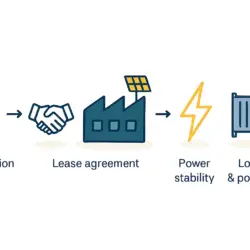
Sri Lanka is taking another significant step towards a sustainable energy future with a new tender for a 50 MW solar power project. The Trincomalee Power Company Limited (TPCL), a strategic 50:50 joint venture between the state-owned Ceylon Electricity Board (CEB) and India’s National Thermal Power Corporation (NTPC), has issued a call for bids for the engineering, procurement, and construction (EPC) of the plant.
This ground-mounted solar facility is set to be developed in Sampoor, within the Trincomalee district. Announced in late December 2025, this initiative represents Phase I of a larger plan to bolster the nation’s renewable energy portfolio, reduce dependency on fossil fuels, and enhance grid stability.
Project Details and Scope of the Sri Lanka Solar Tender
The tender invites qualified contractors to undertake the full EPC scope for the 50 MW (AC) solar project. This turnkey approach ensures that a single entity will be responsible for the design, sourcing of materials, construction, and commissioning of the plant, streamlining the development process.
While the project is a landmark for Sri Lanka’s solar ambitions, it’s important to note that the inclusion of a Battery Energy Storage System (BESS) has not been explicitly confirmed in the initial tender documents for this Sampoor project. The primary focus of the current EPC package is the development of the 50 MW solar generation capacity. TPCL is actively seeking experienced investors and contractors to bring this critical infrastructure project to fruition, aligning with the country’s broader clean energy objectives.
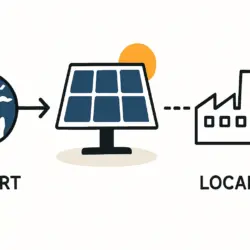
The development of such large-scale power plants relies on a sophisticated global supply chain and a deep understanding of the solar panel manufacturing process, from sourcing raw materials to final assembly.
Impact on Sri Lanka’s Energy Sector from the Solar Tender
This project is a cornerstone of Sri Lanka’s ambitious goal to generate 70% of its electricity from renewable sources by 2030. By integrating another 50 MW of clean energy into the national grid, the country can significantly decrease its reliance on expensive and volatile imported fossil fuels. This will not only reduce the nation’s carbon footprint but also contribute to greater energy security and independence.
The collaboration between Sri Lanka’s CEB and India’s NTPC through the TPCL joint venture also highlights the growing trend of international cooperation in advancing renewable energy goals. This partnership leverages India’s extensive experience in developing utility-scale solar projects to accelerate Sri Lanka’s transition.
Battery storage systems remain crucial for managing the intermittent nature of renewables. While not confirmed for this phase, the potential future integration of BESS would further enhance grid stability by storing excess solar energy generated during peak sunlight hours for use during the evening or on overcast days.
Economic and Technical Outlook for the Sri Lanka Solar Tender
The Sampoor solar project is expected to deliver substantial economic and social benefits. It will stimulate local economies by creating jobs during the construction and long-term operation phases. Furthermore, a reduced national expenditure on fuel imports can help improve Sri Lanka’s trade balance.
For companies bidding on the EPC contract, a comprehensive understanding of the technical aspects is paramount. This includes the basics of solar panel manufacturing to ensure the highest quality components are used. The selection of high-grade solar panel raw materials and the use of advanced solar panel manufacturing machines are critical for the plant’s long-term performance and efficiency. Potential investors and bidders often analyze the entire value chain, where a detailed solar panel manufacturing plant cost breakdown can provide crucial insights into project economics.
The successful implementation of the Sampoor solar facility will serve as a powerful template for future renewable energy projects in Sri Lanka, paving the way for a cleaner and more resilient energy system.
To learn more about the intricate details of setting up solar manufacturing operations, you can explore our free e-course on solar panel manufacturing.