In a landmark move for its renewable energy ambitions, Suriname has officially commissioned its first large-scale centralized solar facility in 2025. This pivotal project represents a significant step in the nation’s strategy to decrease its dependence on fossil fuels and embrace a sustainable energy future, aligning with global efforts to combat climate change.
A Landmark Achievement: The Suriname solar facility
The year 2025 marks a turning point for Suriname’s energy landscape. The new solar power station, officially launched by Zijin Rosebel Gold Mines (RGM), is the first of its kind in the country. Commissioned before mid-April 2025, the facility was a key achievement noted during a visit by Zijin Mining Group President Zou Laichang.
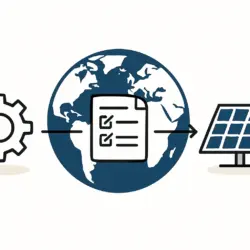
This project is a crucial component of Suriname’s broader goal to have renewable sources contribute significantly to its electricity grid. By moving away from a heavy reliance on fossil fuels, Suriname aims to mitigate the economic and environmental risks associated with fluctuating global oil prices and reduce its national carbon footprint. The successful implementation of such a large facility relies on a sophisticated solar panel manufacturing process to produce the thousands of panels required.
Private Sector Leadership and the Suriname solar facility
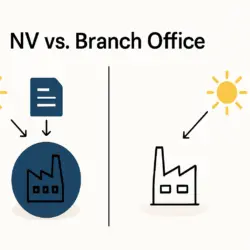
Notably, this pioneering project was spearheaded by a private entity, Zijin Rosebel Gold Mines, showcasing the vital role the private sector can play in achieving national energy objectives. RGM’s investment not only powers its own operations more sustainably but also contributes to the overall stability and cleanliness of the nation’s energy supply.
While smaller, decentralized solar applications have been seen in the wider Amazon region, this centralized power station is a game-changer for Suriname, demonstrating the feasibility of utility-scale solar power. Understanding the basics of solar panel manufacturing is essential to appreciate the scale of such an undertaking, from sourcing high-quality solar panel raw materials to deploying advanced production technology.
Implementation and Future Outlook for the Suriname solar facility
The commissioning of the RGM solar facility is more than just an isolated success; it serves as a powerful proof-of-concept for future renewable energy projects in Suriname. The government’s energy transition plan, which outlines a clear path toward diversifying the energy mix, will undoubtedly be bolstered by this achievement.
This project sets a precedent and is likely to attract further private and public investment in the nation’s renewable sector. As investors and policymakers evaluate future developments, understanding the solar panel manufacturing plant cost breakdown will be crucial for planning and execution. The success of this first facility paves the way for potential expansion and the development of other renewable sources like wind and hydropower, creating a more resilient and balanced energy system for the country.
The launch of Suriname’s first large-scale solar facility is a testament to the country’s commitment to building a cleaner, more sustainable future for its citizens.
If you are inspired by this development and want to learn more about the intricacies of bringing solar power to life, from initial concept to a fully operational plant, consider enrolling in our free e-course on solar panel manufacturing.