Tehran’s Green Ambitions: Investing in Tehran school solar power
Cities worldwide are grappling with air pollution and climate change, pushing sustainable solutions to the forefront. When news emerges about a metropolis like Tehran taking steps towards a greener future, such as equipping its public transport with electric batteries, it signals a significant shift. While the electrification of transport is a crucial goal, Tehran’s current efforts reveal a broader, foundational strategy focused on renewable energy generation, starting with its public buildings.
A City-Wide Push for Tehran school solar power
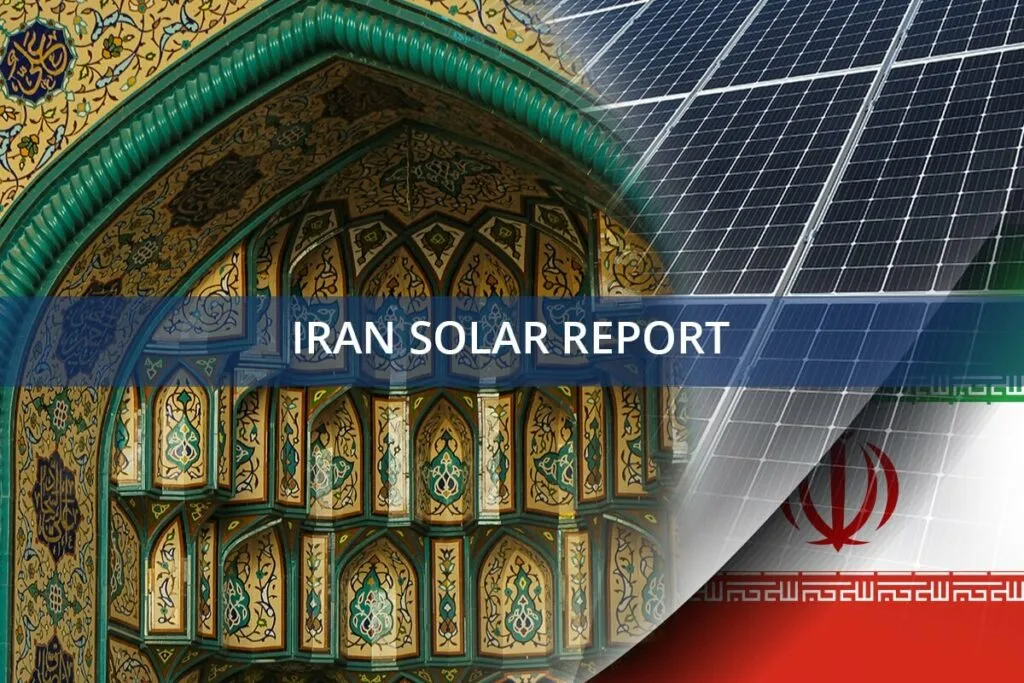
A major initiative currently underway in Iran’s capital is the plan to equip approximately 1,200 schools across the province with rooftop solar power systems. This ambitious project, slated for completion by March 2026, is a collaboration between the Tehran Education Department and the Governor’s Office. It serves as a powerful testament to the city’s commitment to sustainable development.
Each participating school will be fitted with a 5-kilowatt solar power system. This move is not just symbolic; it has practical, multi-faceted benefits. The primary goal is to promote energy conservation and provide a source of clean electricity directly to the schools, reducing their reliance on the central grid. Furthermore, the plan includes the potential for schools to supply surplus power back to the grid, transforming them from simple energy consumers into active contributors to the city’s power supply. This decentralized approach is a cornerstone of modern, resilient energy infrastructure. Understanding the Basics of Manufacturing helps appreciate the technology being deployed on these rooftops.
The Bigger Picture: Iran’s National Energy Strategy Includes Tehran school solar power
This school project doesn’t exist in a vacuum. It aligns with Iran’s larger national goals to improve energy efficiency and reduce environmental impact. For instance, the country has announced a program aiming for 90% flare gas recovery by 2027, a move designed to capture gas that is otherwise wasted and contributes to pollution. These initiatives, from capturing waste gas to installing solar panels, paint a picture of a nation actively seeking to modernize its energy sector despite facing significant international sanctions that can disrupt supply chains for essential Raw Materials and technology.
The entire Manufacturing Process for these panels, from sourcing materials to final assembly, requires a complex network of technology and logistics, making Tehran’s commitment even more noteworthy given the external pressures.
Lessons for Urban Sustainability in Germany: The Tehran school solar power Example
Tehran’s focus on decentralized solar power offers an interesting parallel for homeowners and tenants in Germany. Germany is a world leader in the Energiewende (energy transition), and rooftop solar is a critical component of this strategy. For German residents, initiatives like the Mieterstrom (tenant electricity) model demonstrate how solar energy generated on an apartment building can be used directly by its tenants, lowering electricity bills and reducing the carbon footprint.
While the political and economic landscapes are vastly different, Tehran’s project of equipping schools with solar panels reinforces a universal principle: empowering local communities to generate their own clean energy is a powerful tool for building a sustainable future. The investment required for such projects is significant, involving not just the panels but also the necessary Manufacturing Machines and a detailed Plant Cost Breakdown for domestic production.
By focusing on foundational infrastructure like solar-powered schools, Tehran is laying the groundwork for a more sustainable urban environment. This step is crucial for supporting future green initiatives, including the large-scale adoption of electric vehicles that will rely on a clean and stable electricity grid.
If you are inspired by these large-scale projects and want to understand how solar technology can be applied in your own context, consider exploring the fundamentals of solar energy. To get started, you can sign up for this Free E-Course to deepen your knowledge.