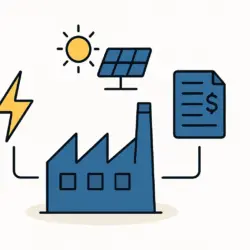
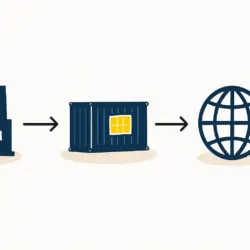
Thailand’s solar energy sector is facing a significant downturn, with solar cell imports dropping by 50% in volume and a staggering 80% in value. This decline is not just a simple market correction; it’s the result of a perfect storm of shifting domestic policies and challenging international trade dynamics that have cooled demand for solar power installations across the country.
Decline in Thailand solar cell imports
The latest figures from the Customs Department paint a stark picture. As reported by the Bangkok Post, the volume of imported solar panels plummeted from 38,000 tonnes in 2022 to just 19,000 tonnes in the first ten months of this year. The financial impact is even more dramatic, with the import value falling from 93 billion baht to only 17.9 billion baht over the same period.
This sharp decline stems from two primary sources. Domestically, a pivotal change in government policy is the main culprit. The move away from a lucrative feed-in tariff (FiT) model to a less financially attractive net metering system has significantly slowed the growth of solar power. The FiT model guaranteed fixed, long-term rates for electricity sold back to the grid, which spurred heavy investment in solar projects. In contrast, the current net metering system credits solar energy system owners at rates lower than retail, reducing the financial incentive for new installations. According to Kanit Sangsubhan, former secretary-general of the Eastern Economic Corridor, this model has been far less effective, suggesting a return to FiTs could revive the sector.
Externally, Thailand’s role as a key manufacturing hub for solar components is being challenged. Recent antidumping and countervailing duty (AD/CVD) actions by the United States on solar products from several Southeast Asian nations, including Thailand, have pressured manufacturers. S&P Global reports that these duties have led several photovoltaic producers to scale back their Thai operations, disrupting the entire supply chain and the Basics of Manufacturing. Consequently, global supply chains are shifting, with countries like Indonesia and Laos gaining a larger share of US imports at Thailand’s expense.
Fluctuations in Solar Energy Capacity
Thailand’s journey with solar energy has seen its share of ups and downs. The nation’s solar capacity grew impressively from 725 megawatts in 2013 to 2,942 megawatts by 2016. However, this momentum faltered, with capacity reaching only 3,111 megawatts by 2021. While there was a jump to 3,848 megawatts last year, the growth has slowed again, reaching just 3,952 megawatts this year, highlighting a significant slowdown in development. Understanding the full Manufacturing Process is crucial to appreciating the complexities behind scaling this capacity.
While the solar sector struggles, broader economic indicators show a mixed picture. The Customs Department noted a 6.1% year-on-year rise in the total import value of goods and services in October, reaching 8.26 billion baht. However, electric vehicle (EV) imports saw a 27% year-on-year decline in the same month. This dip is linked to the expiration of a government EV incentive program, with a recovery anticipated once new incentives are announced.
Impact on the Solar Power Sector
The sharp drop in solar cell imports underscores the dual challenges confronting Thailand’s renewable energy ambitions. The shift to net metering has undeniably dampened investor confidence and slowed domestic installations by reducing the financial returns that made solar projects attractive.
Simultaneously, international trade pressures are creating significant uncertainty for the export-oriented side of the industry. The US tariffs not only make Thai-made solar products more expensive but also diminish Thailand’s appeal as a strategic manufacturing base. This affects the entire value chain, from the procurement of Raw Materials and investment in new Manufacturing Machines to the overall Plant Cost Breakdown for producers. These local headwinds are occurring within a complex international context, as detailed in the latest Global Solar Report.
Despite these hurdles, the potential for a rebound exists. A reintroduction of feed-in tariffs or other supportive policies could reignite domestic investment. Furthermore, continuous advancements in solar technology and falling production costs could eventually make solar power more competitive on its own merits. However, to meet its renewable energy goals and reduce its reliance on fossil fuels, the Thai government may need to adopt a more robust strategy that addresses both domestic incentives and the country’s position in the global solar market.
Navigating these complex market dynamics requires a deep understanding of the solar industry. To learn more about the intricacies of solar production, from start to finish, consider exploring our Free E-Course.