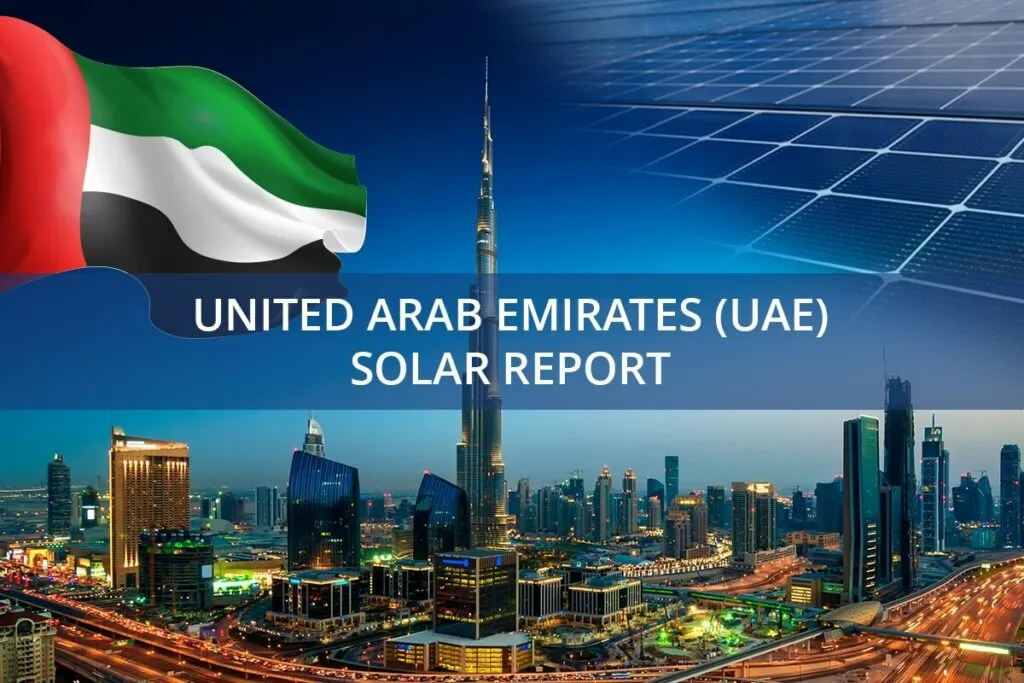
The UAE is set to expand its clean energy capacity to over 22 gigawatts (GW) by 2031, a significant leap forward driven by major contributions from both nuclear and solar power. This ambitious expansion aligns with the UAE’s commitment to sustainability and its strategic goal of achieving net-zero emissions by 2050.
Barakah Nuclear Power Plant: A Key Contributor to UAE Clean Energy Capacity
The Barakah Nuclear Power Plant, located in the Al Dhafra Region of Abu Dhabi, is the first nuclear power plant in the UAE and the Arab world. The plant features four APR1400 nuclear reactors built by the Korea Electric Power Corporation (KEPCO) at a cost of $24.4 billion. Each reactor has a net electrical output of 1,400 MW, bringing the total capacity to a substantial 5,600 MW.
This plant is a cornerstone of the UAE’s clean energy strategy. It generates vast amounts of electricity without any greenhouse gas emissions, providing a stable and reliable source of baseload power. This constant energy supply is crucial for grid stability, perfectly complementing intermittent renewable sources like solar. The Barakah plant directly supports the UAE’s goal of reducing carbon emissions from power generation and enhancing long-term energy security.
Major Solar Projects Underway Boosting UAE Clean Energy Capacity
Abu Dhabi is spearheading the UAE’s push for solar energy with several large-scale projects. The Noor Abu Dhabi Solar Plant, located in Sweihan, was completed in 2019 and stands as one of the world’s largest single-site solar installations. It has a capacity of 1.2 GW and can power approximately 90,000 homes.
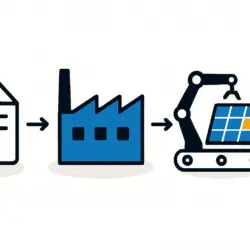
The Al Dhafra Solar Project, another ambitious venture, is set to be the world’s largest single-site solar power plant upon completion. This 2 GW project will feature over 4 million solar panels, each a product of a complex manufacturing process, and is expected to provide electricity to 160,000 homes. The Al Ajban Solar Project, announced in 2023 with a capacity of 1.5 GW, is expected to power hundreds of thousands more homes and further cement Abu Dhabi’s position as a global leader in solar energy.
Beyond generation, the UAE is also pioneering energy storage solutions. The recently announced UAE solar battery project: Stunning 2024 Launch combines massive solar capacity with a world-record battery storage system, ensuring that clean energy is available even when the sun isn’t shining.
Dubai’s Solar Achievements and the UAE Clean Energy Capacity
Dubai is also making significant strides in solar energy through the Mohammed bin Rashid Al Maktoum Solar Park. This park, which began operations in 2013, is being developed in several phases. The first phase had a capacity of 13 MW, while the second phase added 200 MW in 2017. The third phase, completed in 2020, added another 800 MW.
The fourth phase, which began operations in 2021, has a capacity of 950 MW and showcases a mix of technologies, with 700 MW from Concentrated Solar Power (CSP) and 250 MW from photovoltaic (PV) solar panels. Understanding the basics of solar panel manufacturing helps appreciate the scale of such developments. The fifth phase, currently under construction, will add an additional 900 MW of capacity. Once completed, the solar park is expected to have a total capacity of 5 GW, making it one of the largest in the world and demonstrating a significant investment, details of which can be understood through a typical plant cost breakdown.
UAE’s Commitment to Clean Energy Capacity
The UAE’s clean energy initiatives are part of its broader commitment to sustainability and reducing carbon emissions. The country aims to achieve net-zero emissions by 2050, and the expansion of its diversified energy portfolio is a key component of this strategy. The Barakah Nuclear Power Plant and the various solar projects in Abu Dhabi and Dubai are contributing to a cleaner, more sustainable energy future.
The UAE Energy Strategy 2050 aims to increase the share of clean energy in the total energy mix to 50%, with 44% coming from renewable sources. By investing in both baseload nuclear power and utility-scale solar, the UAE is not only reducing its carbon footprint but also ensuring a reliable and secure energy supply. This forward-thinking approach also includes investments in emerging technologies like green hydrogen, positioning the nation at the forefront of the global energy transition.
To learn more about the technologies driving this change, you can explore our free e-course on solar energy.