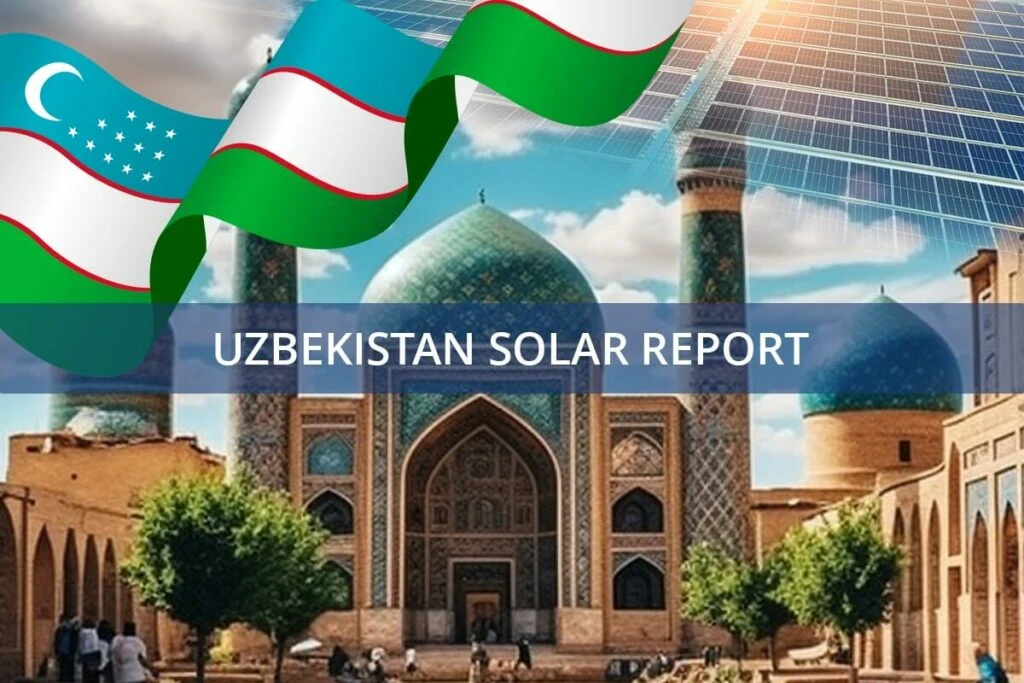
Uzbekistan Nears 2 GW Solar Capacity, Powering Growth in Uzbekistan solar capacity
Uzbekistan is rapidly emerging as a solar powerhouse in Central Asia, with its installed solar capacity approaching the significant 2-gigawatt (GW) milestone. Recent data shows the country has successfully installed approximately 1,857 megawatts (MW) of solar power, a testament to its aggressive push towards renewable energy and a crucial step in its ambitious plan to reach 9.4 GW of solar capacity by 2030.
This remarkable growth is not accidental; it’s the result of a concerted strategy involving substantial international investment, robust government support, and a burgeoning domestic manufacturing sector.
The Driving Forces Behind the Solar Boom in Uzbekistan solar capacity
Uzbekistan’s solar expansion is fueled by a combination of large-scale projects and grassroots adoption. A key catalyst has been significant financial backing from international partners. For instance, the Asian Development Bank (ADB) recently arranged a $140 million loan to support projects that will add another 1,000 MW of solar capacity along with 1,336 megawatt-hours of crucial battery energy storage.
Major international developers are also playing a vital role. Companies like ACWA Power are actively involved in developing large-scale solar initiatives such as the Tashkent Solar PV project, demonstrating the confidence of global energy leaders in the Uzbek market. You can read more about [ACWA Power's Al-Shuaibah Solar Park Now Fully ...](https://www.pvknowhow.com/news/acwa-launches-operations-at-shuaibah1-solar-park/), which highlights the company’s broader regional activities.
Beyond utility-scale farms, growth is also happening on a smaller scale. Government subsidy programs have successfully encouraged residential solar adoption, with over 35,000 households now participating and exporting surplus electricity back to the grid. This decentralized approach not only accelerates the green transition but also empowers citizens to be part of the solution.
From Consumer to Producer: Building a Local Manufacturing Hub for Uzbekistan solar capacity
Perhaps the most strategic element of Uzbekistan’s solar plan is its commitment to developing a local manufacturing base for photovoltaic (PV) and wind plant components. This move signals a transition from being merely a consumer of renewable technology to becoming a key producer. By localizing production, Uzbekistan aims to enhance its energy security, create skilled jobs, and stimulate economic growth.
For investors and businesses looking to enter this promising market, understanding the local landscape is critical. Our guide on [Uzbekistan Solar Factory: How to Recruit & Train Your Team](https://www.pvknowhow.com/countries/uzbekistan/labor-market-solar-factory-uzbekistan/) provides essential insights into building a capable workforce.
Establishing a manufacturing facility requires a deep understanding of the [Basics of Manufacturing](https://www.pvknowhow.com/basics-of-solar-panel-manufacturing/). The entire [Manufacturing Process](https://www.pvknowhow.com/solar-panel-manufacturing-process/) is a complex chain that depends on a steady supply of [Raw Materials](https://www.pvknowhow.com/solar-panel-raw-materials/) and significant investment in specialized [Manufacturing Machines](https://www.pvknowhow.com/solar-panel-manufacturing-machines/). Prospective investors can also benefit from a detailed [Plant Cost Breakdown](https://www.pvknowhow.com/solar-panel-manufacturing-plant-cost-breakdown/) to accurately assess the financial requirements. For consumers in countries like Germany, the diversification of the global solar supply chain through new manufacturing hubs like Uzbekistan could eventually contribute to more stable pricing and availability of PV components.
Securing the Grid with Energy Storage for Uzbekistan solar capacity
As Uzbekistan integrates more intermittent renewable sources like solar, grid stability becomes paramount. The government is proactively addressing this challenge by investing heavily in Battery Energy Storage Systems (BESS). Agreements with global energy firms like Masdar and AMEA Power are set to add 500 MW of energy storage capacity. This, combined with the storage systems included in the ADB-financed projects, will ensure that clean energy is available on demand, even when the sun isn’t shining.
A Regional Leader in the Making with Uzbekistan solar capacity
Uzbekistan’s progress positions it as a potential leader in Central Asia’s renewable energy transition. Its proactive approach to both generation and manufacturing sets a powerful example for the region. To see how this fits into the larger picture, you can explore our [Global Solar Report - PVknowhow.com](https://www.pvknowhow.com/global-solar-report/).
Neighboring countries are also making strides, creating a dynamic regional ecosystem for green energy. Developments detailed in the [Kazakhstan Solar Panel Manufacturing Report](https://www.pvknowhow.com/solar-report/kazakhstan/) and logistical insights from our [Tajikistan Solar Manufacturing: A Practical Logistics Guide](https://www.pvknowhow.com/countries/tajikistan/importing-solar-equipment-tajikistan/) highlight a broader trend toward sustainable energy independence across Central Asia.
As Uzbekistan charges towards its 2030 goals, its dual strategy of massive solar deployment and localized manufacturing provides a robust blueprint for a sustainable and prosperous energy future. The nation is not just building power plants; it’s building an entire renewable energy industry from the ground up.
Ready to dive deeper into the world of solar manufacturing? Register for our Free E-Course to gain expert insights and get started on your own journey.