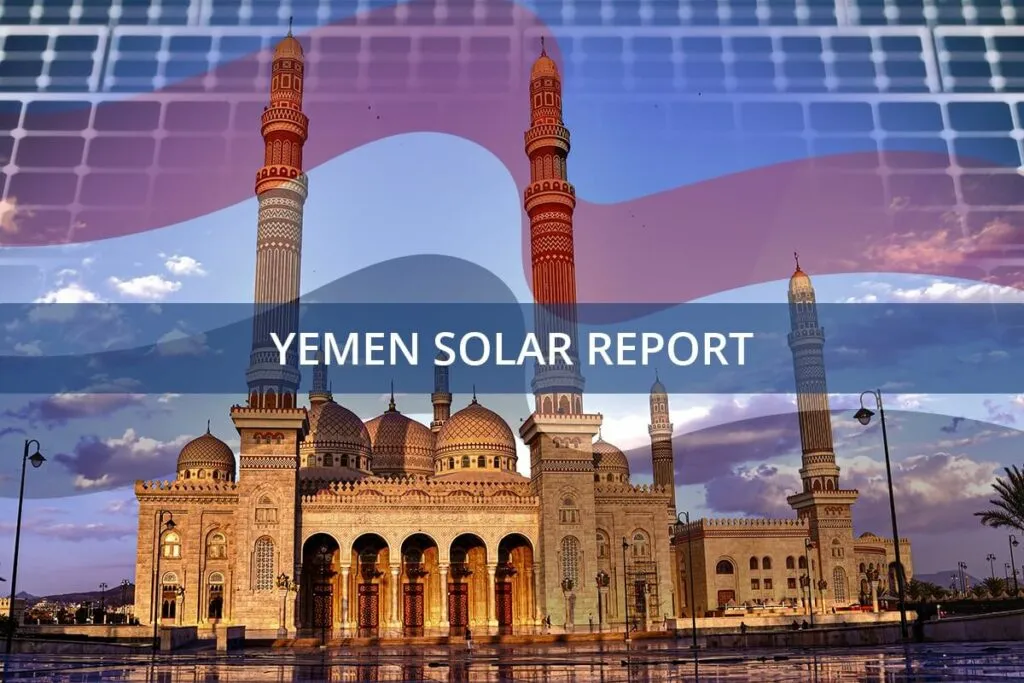
Yemenis are increasingly turning to solar energy to meet their electricity needs as the country’s power grid remains severely damaged by the ongoing conflict. While individual adoption has been a lifeline, recent large-scale projects are signaling a more organized shift towards sustainable power, particularly in the nation’s southern regions.
A Yemen Solar Energy Revolution Amidst Darkness
In the midst of the war in Yemen, a new form of energy is bringing hope to the people. For years, the country has been plunged into darkness, with the conflict destroying much of the electricity infrastructure. However, solar power is now emerging as a beacon of light, offering a sustainable and reliable source of energy for millions.
Since the beginning of the war in 2014, Yemen has suffered from a severe lack of electricity. Many areas have been left without power for years, forcing people to adapt to a life without modern amenities. The situation has been particularly dire in rural and displaced communities, where the lack of electricity makes it difficult to access clean water, education, and healthcare. On a community level, small-scale solar systems have become critical. For instance, humanitarian efforts have seen the installation of solar-powered systems to run water pumps, replacing kerosene lamps and ending arduous water-fetching trips for entire villages.
According to Al Jazeera, Yemen has an average of 3,000 hours of sunlight each year, making it an ideal location for solar energy production. The country’s abundant sunshine provides a clear opportunity to harness this natural resource and generate clean, renewable energy.
Yasser al-Darbi, a solar energy engineer in Taiz, explained that the shift to solar power has been driven by necessity. “The war left us no choice,” he said. “People started installing solar systems to meet their basic needs.” This grassroots adoption highlights a powerful resilience, as Yemenis find their own solutions where formal infrastructure has failed.
The Role of the Private Sector and New Leadership in Yemen Solar Energy
While the government remains embroiled in conflict, the private sector has stepped up to fill the gap in the energy market. Entrepreneurs and businesses have started importing solar panels and equipment, creating a thriving market for solar energy solutions. Understanding the basics of solar panel manufacturing is key to appreciating the complex supply chain these businesses navigate to bring power to the people.
Beyond individual enterprise, a significant new development is taking shape in southern Yemen. The Southern Transitional Council (STC) has initiated the construction of a 30-megawatt solar power plant in the Abyan Governorate. This project, funded by the UAE, aims to address chronic power outages for around 20,000 homes. It represents a monumental step up from small-scale private installations to strategic, large-scale green infrastructure. This initiative challenges traditional post-conflict reconstruction models by prioritizing sustainable energy.
In addition to meeting household needs, these larger projects are critical for supporting essential services. Hospitals and schools, which have long struggled with power shortages, can now look to more reliable solar energy to keep their operations running, ensuring they can continue to provide vital services to the community.
Challenges and Opportunities in Yemen Solar Energy
Despite the growing popularity of solar energy, there are still significant challenges to overcome. One of the main obstacles is the high initial cost of solar panels and batteries, which can be prohibitively expensive for many families. The overall solar panel manufacturing plant cost breakdown shows the capital-intensive nature of the industry. Additionally, a lack of technical expertise and maintenance services makes it difficult to keep solar systems running smoothly.
To address these issues, international organizations and NGOs have stepped in to provide support. They are offering training programs to help Yemenis develop the skills needed to install and maintain solar systems. These initiatives are also providing subsidies to make solar energy more affordable for low-income households.
The rise of solar energy in Yemen is not just about providing electricity; it is also about creating a more sustainable and resilient future. By harnessing the power of the sun, Yemenis are reducing their dependence on fossil fuels and lowering their carbon footprint. This shift towards renewable energy is helping to mitigate the environmental impact of the conflict and paving the way for a greener future.
Solar energy is also playing a role in fostering economic development. As more people gain access to reliable electricity through both individual systems and large plants like the one in Abyan, new opportunities for entrepreneurship and innovation are emerging. Small businesses can now operate more efficiently, and farmers can use solar-powered irrigation systems to increase their productivity.
To learn more about the technology that is transforming lives in Yemen and around the world, consider exploring our free e-course on solar energy.