Zanzibar’s $142 Million Investment in Zanzibar renewable energy and Solar Power
Zanzibar is set to revolutionize its energy sector with a landmark $142 million project aimed at modernizing its power grid. Backed by funding from the World Bank and the International Development Association, this ambitious initiative is designed to significantly boost the archipelago’s energy capacity and reduce its historical reliance on mainland Tanzania for electricity.
The core of this transformative project is the strategic integration of domestic renewable energy sources, with a particular focus on solar power. The initiative will not only upgrade critical infrastructure but also expand access to sustainable energy solutions, such as solar lighting, for communities across the islands. This modernization effort is poised to dramatically improve energy reliability and accelerate Zanzibar’s transition to a cleaner, more resilient power system.
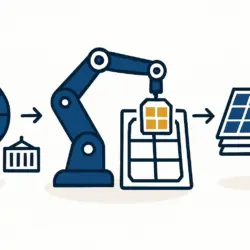
Harnessing solar energy on such a scale requires a deep understanding of the technology involved. The foundation of this energy revolution lies in the photovoltaic panels that convert sunlight into electricity. For those new to the topic, understanding the basics of solar panel manufacturing is the first step. The journey from raw materials to a finished panel is a complex and fascinating one, involving a detailed solar panel manufacturing process that ensures efficiency and durability. The quality and sourcing of solar panel raw materials are also critical factors in the performance and lifespan of the final product.
This project in Zanzibar aligns with a broader movement across the nation. As the Tanzania Solar Panel Manufacturing Report indicates, the country has been steadily expanding its renewable energy footprint, with significant off-grid solar PV installations already in place to improve energy access. Zanzibar’s initiative represents a major scaling-up of these efforts, focusing on grid-level integration.
Building a sustainable local solar industry requires substantial investment in infrastructure and technology. The production of solar panels relies on sophisticated solar panel manufacturing machines to handle the intricate assembly stages. The $142 million investment underscores the financial commitment needed for such a large-scale energy transition, which mirrors the significant capital outlined in a typical solar panel manufacturing plant cost breakdown.
By prioritizing renewable energy, Zanzibar is not just upgrading its grid; it is investing in a sustainable and independent future. This project will serve as a powerful example of how strategic investment in clean technology can foster energy security and drive economic development.
If you are interested in learning more about the intricacies of solar panel production, from initial concept to full-scale manufacturing, explore our comprehensive free e-course to deepen your understanding.