Zimplats, a producer of platinum group metals, has invested $27 million in its 35MW solar energy plant. The Zimplats solar project is one of several major capital undertakings within the company’s $1.8 billion investment plan, aimed at enhancing the national grid supply.
Zimplats Solar Plant Progress
Zimbabwe is grappling with a severe power shortage, leading to prolonged rationing that disrupts economic activity. This forces both businesses and households to rely on costlier alternatives like fuel-powered generators.
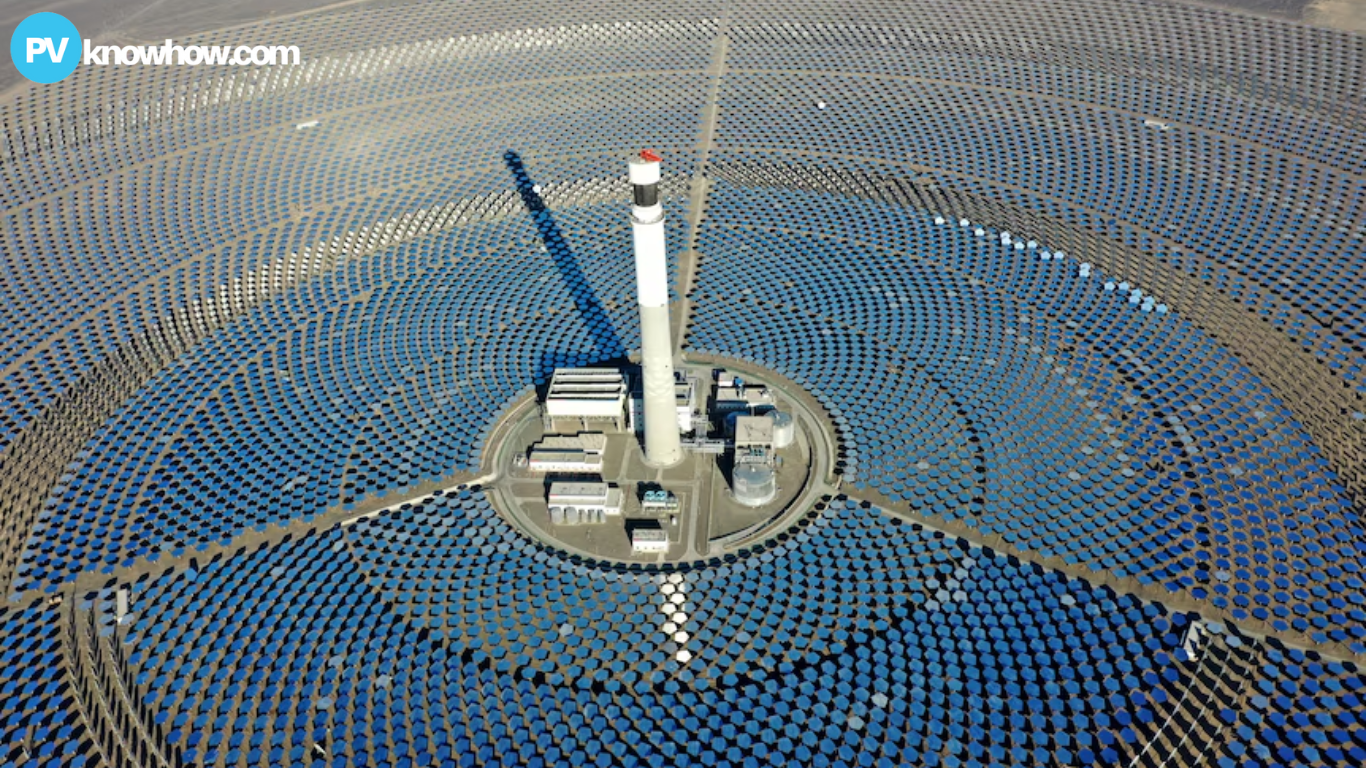
Image: Collected
The company announced the solar power plant is set to start generating power by the end of May 2024. According to its quarterly update for the period ending March 31, 2024, $27 million has been spent on the 35 MW solar plant out of a projected $37 million budget.
Zimplats plans to develop the project in phases, aiming to produce 185MW by 2028. This timeline aligns with the completion of other ongoing projects, including expansions of its smelter, concentrator, and mines. The solar plant spans 109 hectares and features over 10,000 PV solar panels, each generating 550 watts per square meter, along with six inverters.
Zimbabwe Turns to Solar For Energy Demands
Zimbabwe is increasingly turning to solar energy to sustainably meet its power demands. With abundant sunshine, the country is well-suited for solar power generation.
The government has introduced various measures to encourage its adoption, such as tax breaks and subsidies for households and businesses that install solar panels.
Zimbabwe’s solar energy sector is expanding, with numerous companies offering solar solutions ranging from photovoltaic panels and solar water heaters to standalone systems. These options are both cost-effective and eco-friendly, reducing the country’s reliance on fossil fuels.
Solar energy is now lighting up homes, schools, hospitals, and businesses nationwide, providing clean, dependable power to communities. The sector is also creating job opportunities, as more people are needed to install, maintain, and repair these systems.
Despite its abundant solar resources, Zimbabwe’s solar energy potential remains largely untapped for commercial use. The country benefits from high solar radiation—averaging 20MJ per square meter—and receives 3,000 hours of sunshine annually.
Government Incentives To Drive Investment
While the potential for solar photovoltaic (PV) technology exceeds 300MW, only 1% of the technical potential for solar water heaters is currently being used. This creates significant opportunities for both small- and large-scale deployment of grid-connected and off-grid systems, particularly in remote areas.
Solar PV systems have diverse applications in rural and urban settings. In rural communities, they are used for water pumping, solar drying, and powering lights and appliances in institutions like schools and clinics. In urban areas, they are primarily used for water heating through solar thermal technology.
The government offers investors significant fiscal incentives, including negotiable tax holidays and the duty-free importation of solar equipment. Other benefits include investment opportunities in Special Economic Zones and arrangements such as Build-Own-Operate-Transfer and Build-Own-Transfer.
With its skilled workforce and investor-friendly policies, Zimbabwe is an attractive destination for strategic investment in the solar energy sector.