“`html
Why Nigerians Explore Solar Alternatives Amid Rising Electricity Tariffs
Nigeria, like many other nations, faces the challenge of providing reliable and affordable electricity to its citizens. With a growing population and increasing demand for power, the existing infrastructure struggles to keep up, leading to frequent power outages and high electricity costs. This has prompted many Nigerians to explore alternative energy sources, with solar power emerging as a leading contender.
Understanding the Surge in Electricity Costs
Several factors contribute to the rising electricity costs in Nigeria. These include:
- Dependence on Fossil Fuels: A significant portion of Nigeria’s electricity generation relies on fossil fuels, which are subject to price fluctuations and environmental concerns.
- Aging Infrastructure: The country’s power infrastructure is aging and requires significant investment for upgrades and maintenance.
- Inefficient Distribution: Losses during transmission and distribution contribute to higher costs for consumers.
Solar Power as a Viable Option
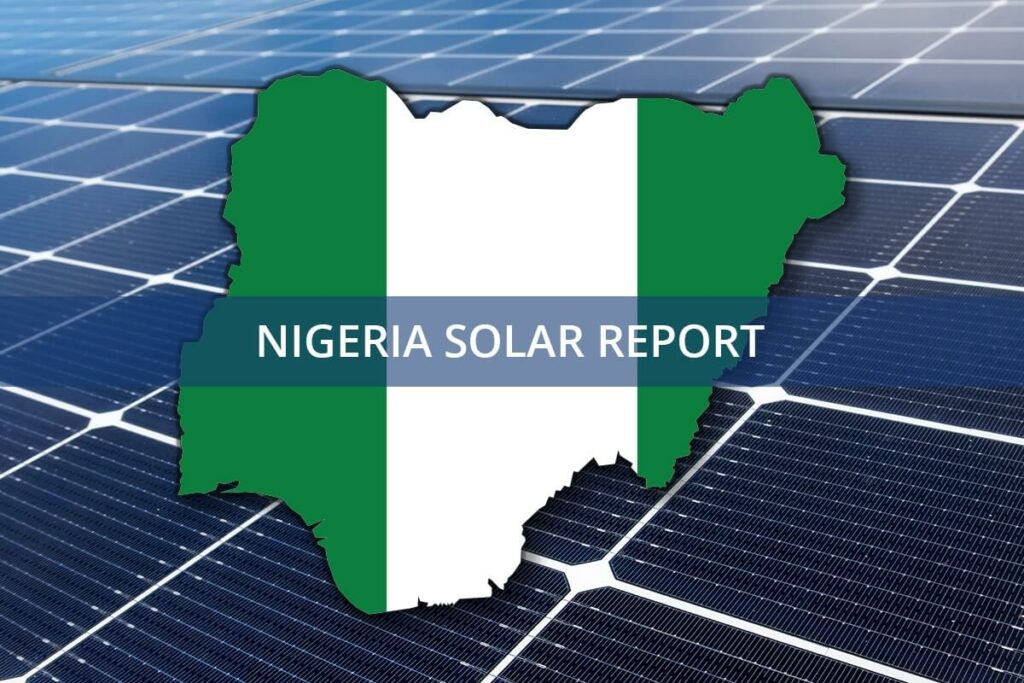
Solar power offers a promising solution to Nigeria’s energy challenges. With abundant sunshine throughout the year, the country has immense potential for harnessing solar energy. Technological advancements have made solar panels more efficient and affordable, making them an attractive option for homes and businesses.
Benefits of Switching to Solar Energy
Switching to solar energy offers numerous benefits for Nigerians:
- Reduced Electricity Bills: Solar panels can significantly reduce or eliminate monthly electricity bills, leading to long-term cost savings.
- Energy Independence: Solar power provides energy independence, reducing reliance on the national grid and mitigating the impact of power outages.
- Environmental Benefits: Solar energy is a clean and renewable energy source, contributing to a reduction in carbon emissions and a cleaner environment.
In conclusion, the rising electricity tariffs and unreliable power supply in Nigeria have driven many citizens to explore solar alternatives. With its numerous benefits and the country’s abundant solar resources, solar power is poised to play a significant role in Nigeria’s energy future.
“`