Brazil’s Superintendency for the Development of the Northeast (Sudene) has approved a BRL 149.62 million (USD 27.6 million) loan to EDP Renováveis Brasil for two solar projects with a combined capacity of 98 MW.
Northeast Fund Finances Monte Verde Solar V and VI Projects
Sourced from Sudene’s Northeast Development Fund (FDNE), the loan is designated for the Monte Verde Solar V and VI projects. The two solar farms require a total investment of BRL 457.27 million, with Sudene’s fund contributing BRL 205.52 million. Located in the northeastern state of Rio Grande do Norte, they are projected to generate 160,000 MWh annually once operational.
Sudene’s Loan to Boost Solar Energy in Brazil’s Northeast
The Sudene loan will significantly advance solar energy development in Brazil’s Northeast, as the Monte Verde Solar V and VI projects add 98 MW of new capacity. This expansion is vital for meeting Brazil’s renewable energy targets and diversifying its energy matrix.
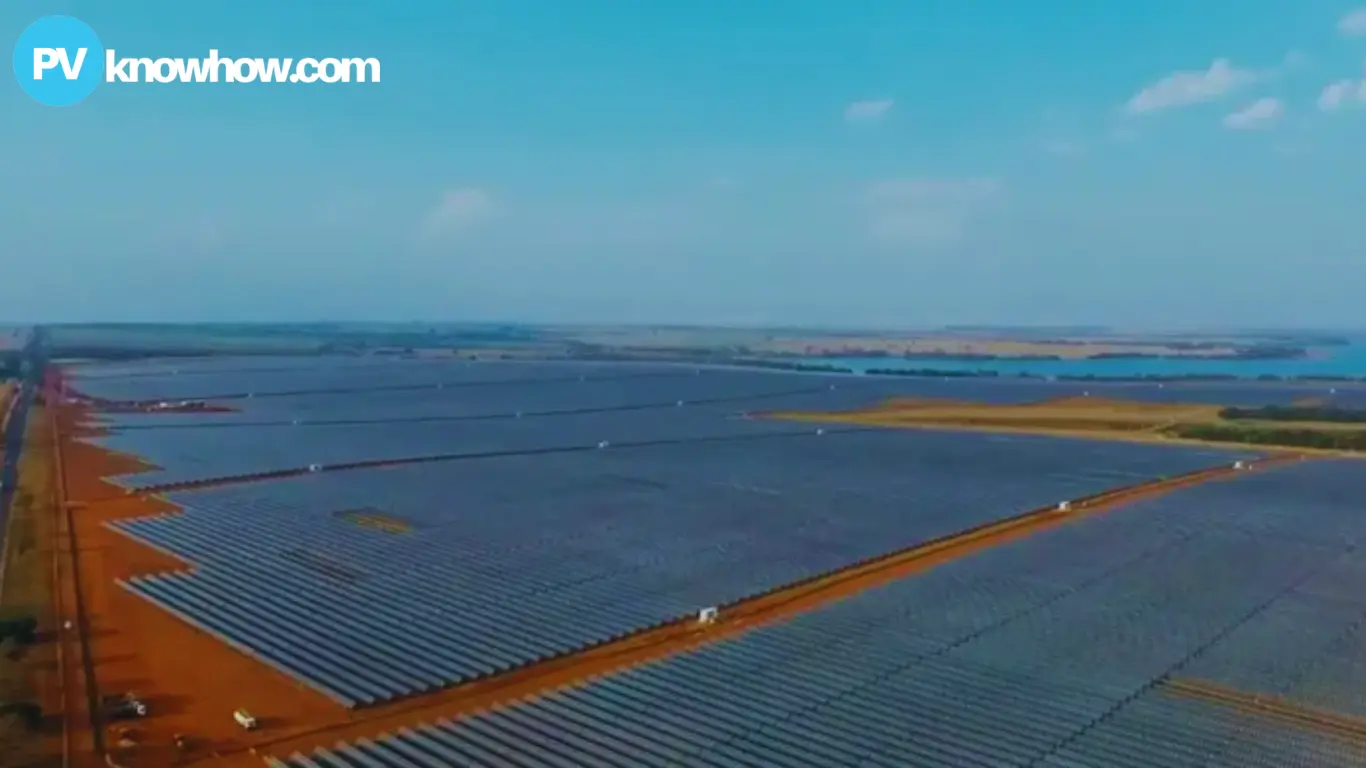
Monte Verde Solar (Image: Collected)
The investment is also expected to boost local economies by creating jobs in the construction, maintenance, and operation of the solar facilities. This project will provide employment opportunities for both skilled and unskilled workers, supporting the region’s socio-economic development.
Additionally, local communities may benefit from agreements related to energy distribution, which could reduce energy costs and enhance electricity access in underserved areas.
Brazil’s Sustainability and Energy Security
This initiative marks a substantial step towards reducing greenhouse gas emissions and reliance on fossil fuels, aligning with Brazil’s sustainability and carbon neutrality goals. By boosting solar energy production, these projects contribute to environmental preservation while advancing the country’s long-term sustainability objectives.
This development positions the Northeast as a leading player in renewable energy production across Latin America. The increased solar capacity is also expected to improve energy security in the region by creating a more stable and resilient power grid. This improved stability is particularly crucial for areas that experience energy shortages or supply instability, ensuring a reliable source of power for local communities.